
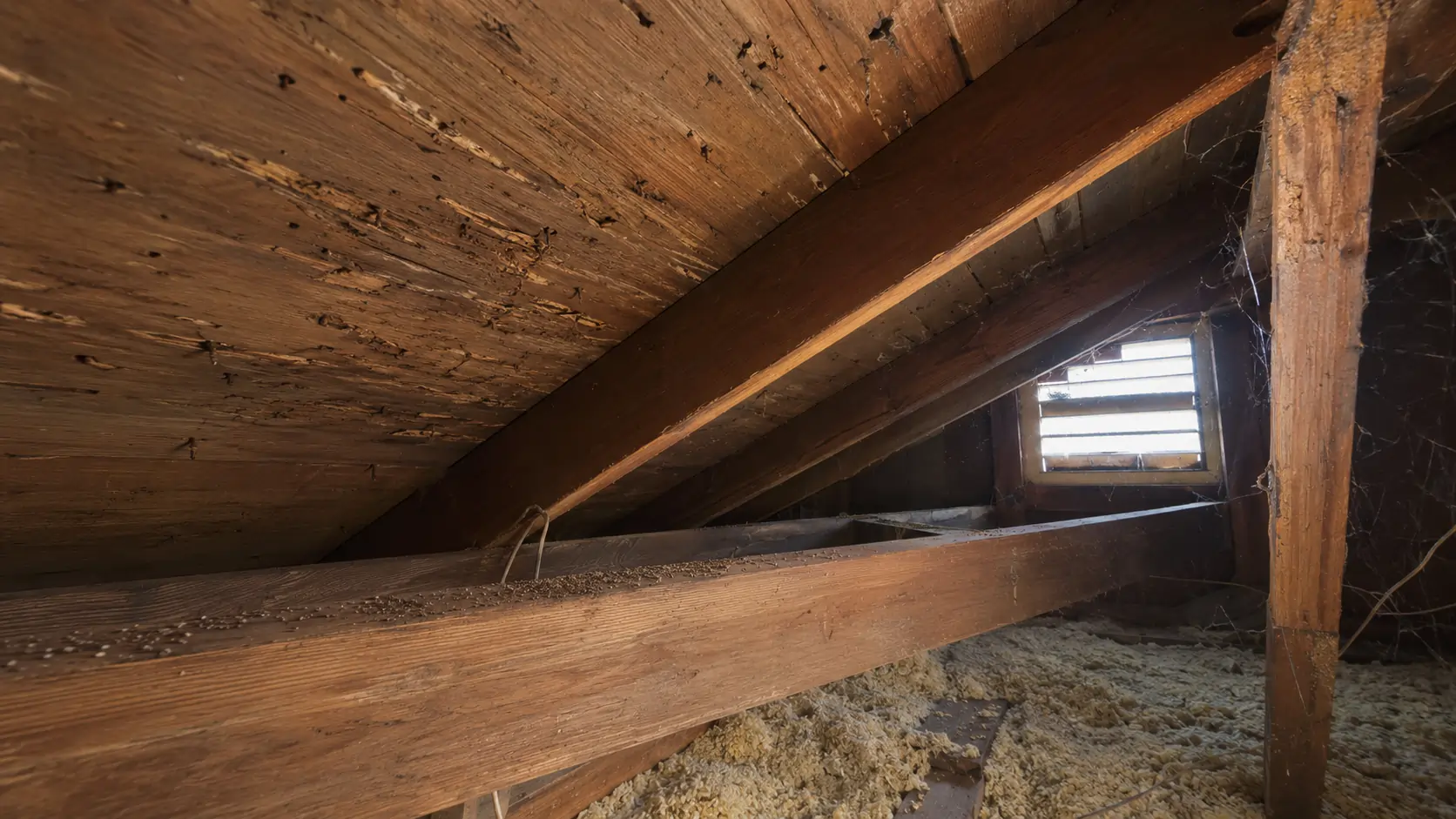
Formosan Termite Control in Sacramento
At Licensed Termite Control Company, a confirmed Formosan termite infestation is treated differently from standard subterranean termite control. Formosan termites (Coptotermes formosanus) are the only termite species listed among the 100 World’s Worst Invasive Species. They are native to East Asia and have spread across the American South and into California. Their colonies are far larger than any native species, they cause structural damage faster than any other termite in the country, and once established, no successful eradication has ever been recorded anywhere in the world. That is not a reason to panic. It is a reason to act fast and treat aggressively.
Why Formosan Termites Are More Dangerous Than Native Species
Formosan termites operate on a different scale than Sacramento’s native subterranean termites. A standard subterranean colony in California reaches roughly 100,000 to 300,000 workers. A mature Formosan colony can hold several million individuals. The queen produces up to 1,000 eggs per day, according to the University of Florida Institute of Food and Agricultural Sciences. That colony size means wood is consumed at a rate that causes structural damage in months, not years.
Their range of destruction is also broader. Standard subterranean termites eat along the wood grain and require constant soil contact. Formosan termites build carton nests inside wall cavities, attics, and even living trees. These secondary above-ground colonies are made from chewed wood, soil, and saliva. A carton nest with an internal moisture source allows the colony to survive completely independent of the soil. This is why a liquid barrier alone is not enough. Killing the subterranean portion of the colony does not eliminate a carton nest already established above ground.
In California, Formosan termites were first confirmed in La Mesa, San Diego County in 1992. By 2021, infestations were confirmed in Los Angeles County. The University of California Agriculture and Natural Resources program noted in 2025 that only a handful of Formosan infestations have been identified in Northern California since 1992. Sacramento is at the northern edge of their current range. They arrive via infested shipping materials, salvaged lumber, nursery plants, or wood products transported from infested southern areas. If your property has a confirmed Formosan infestation, the source is almost always imported material or a neighboring property recently introduced to the species.
How We Treat Formosan Termite Infestations in Sacramento
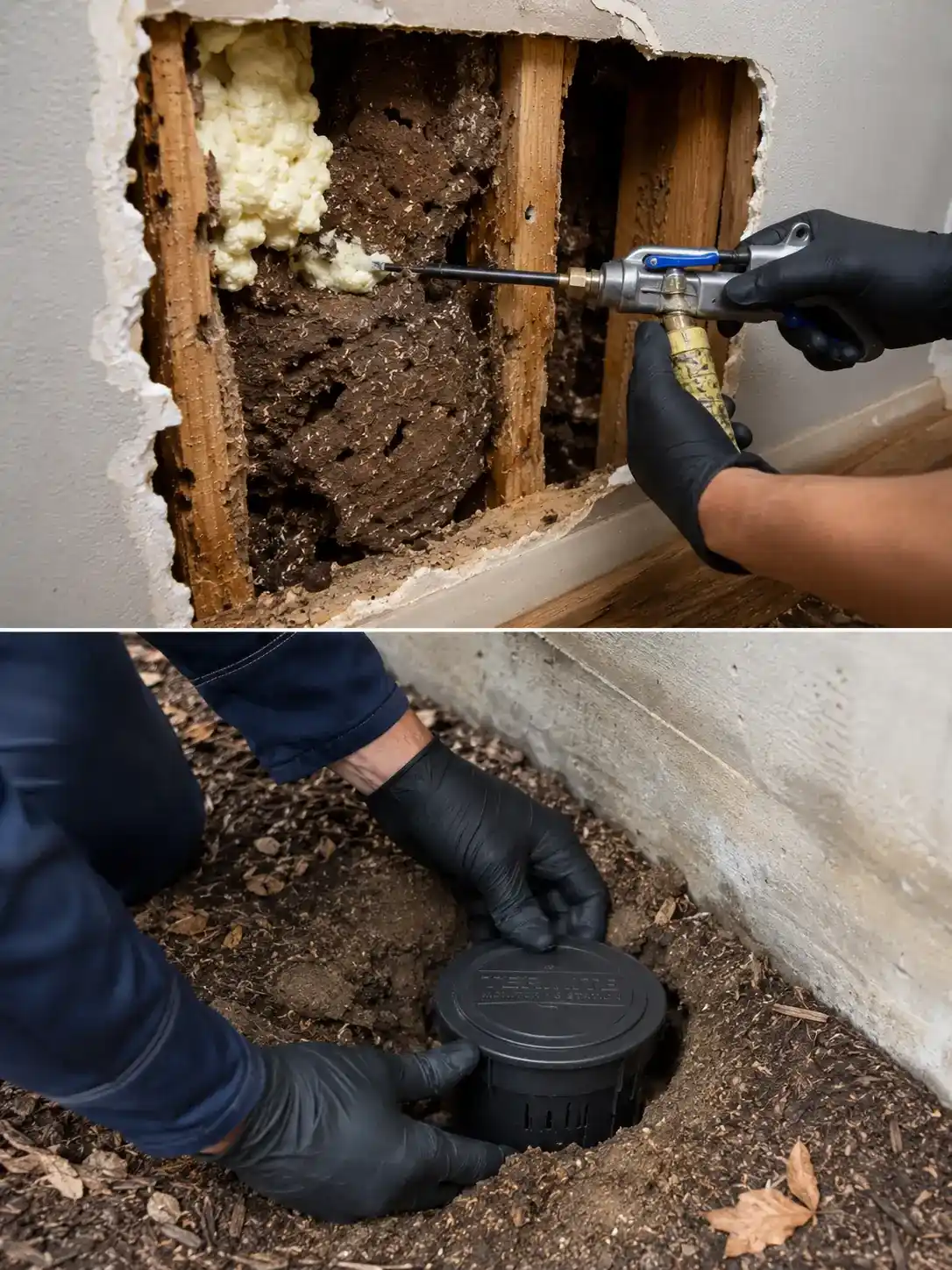
Formosan termite treatment requires multiple methods working together. A single liquid barrier or a single bait system is not sufficient when the colony has established both soil-connected tunnels and above-ground carton nests.
Our standard approach combines three elements. First, a liquid barrier using a non-repellent termiticide is applied around the full foundation perimeter. This eliminates subterranean foragers contacting the soil zone and disrupts the colony’s ground-based movement. Second, bait stations are installed around the property at regular intervals. Formosan workers find the bait, consume it, and share it with the rest of the colony through trophallaxis. This is the natural food-sharing behavior that connects all colony members. This carries the slow-acting bait ingredient to workers, soldiers, and eventually the queen. Third, any identified carton nests inside wall cavities or attic framing are injected directly with termiticide foam or dust. This targets the above-ground population that the liquid barrier cannot reach.
Monitoring is more intensive for Formosan infestations than for standard subterranean cases. We inspect bait stations every 2 to 3 months for the first year after treatment and confirm that carton nest activity has ceased before reducing the monitoring frequency. A professional termite inspection establishes the full scope of the infestation before treatment begins, including the location of any carton nests and the extent of soil-based activity.
If structural wood has already been damaged, termite damage repair restores affected framing and structural members after the colony is confirmed eliminated. Attempting repairs before the infestation is fully controlled wastes materials and labor.
For commercial properties, Formosan termites present a particular risk to older buildings with wood framing, warehouses receiving imported shipping materials, and any property with regular wood deliveries. We provide commercial Formosan termite control throughout Sacramento with written treatment documentation and customized monitoring schedules.
What Sacramento Homeowners Say About Our Formosan Termite Service
Verified feedback from residential and commercial clients across our service area.
We had a Formosan termite swarm inside the house in June and had no idea what species they were. The inspector identified them immediately, explained how Formosan colonies behave differently from native subterranean termites, and treated the same week. The level of detail in the inspection report helped me understand exactly what we were dealing with.
Found carton nest material inside a wall cavity during a bathroom remodel. The inspector confirmed Formosan termites and located two additional satellite colonies using thermal imaging. The treatment involved baiting, liquid barrier, and localized injection. More involved than I expected, but the inspector explained why each method was necessary for this species.
Identifying Formosan Termites and Recognizing the Warning Signs
Formosan termites swarm at night between May and July, attracted to light sources. This is one of the clearest distinguishing behaviors between Formosan and native subterranean termites, which swarm during daylight hours in fall and early spring. If you find a large swarm of winged termites around outdoor lights or near windows on warm evenings in late spring or early summer, Formosan termites are a genuine possibility and warrant an immediate inspection.
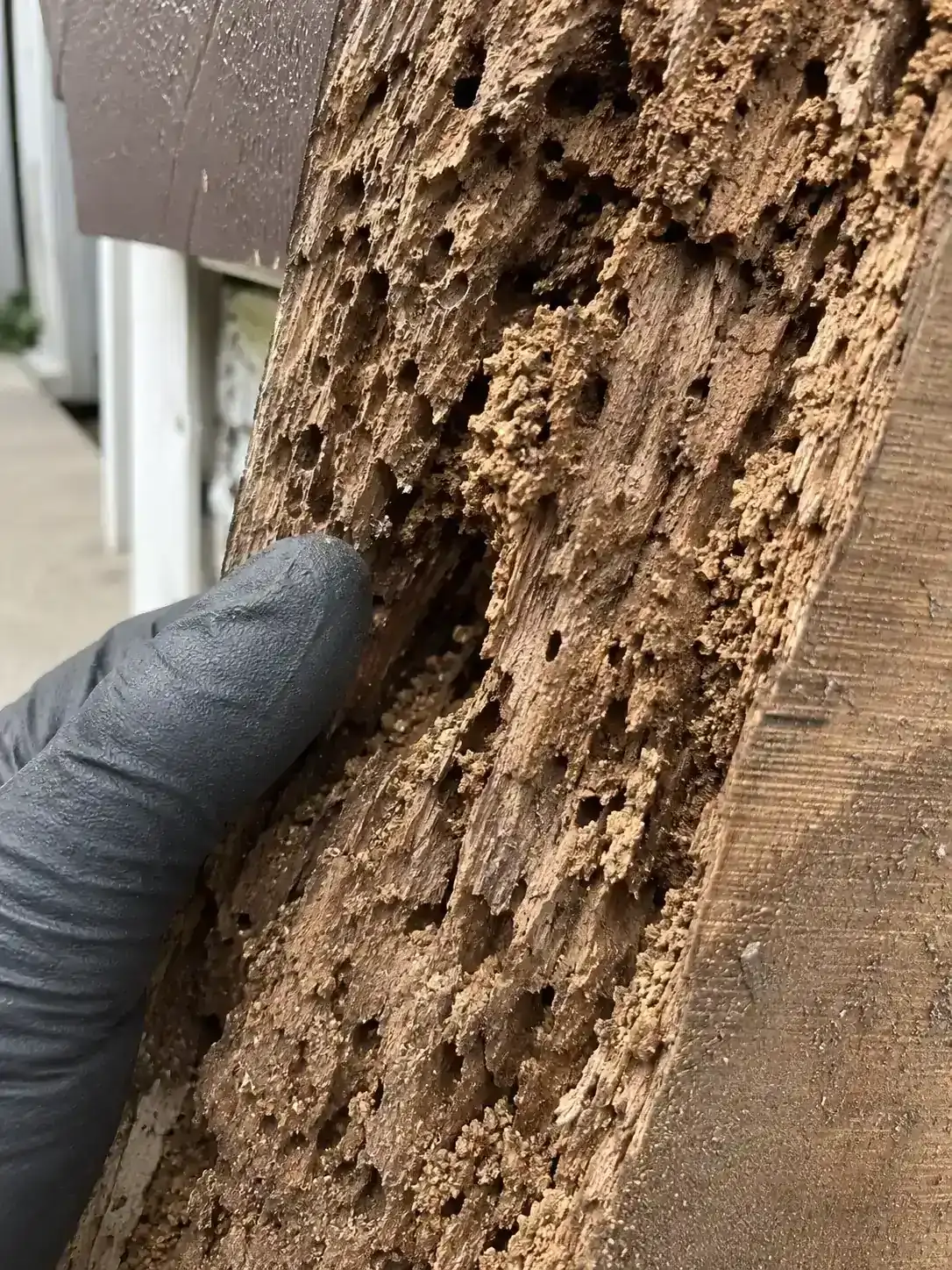
Other signs include mud tubes that are wider and more elaborate than standard subterranean tubes, wood damage that progresses unusually fast, and soft or hollow-sounding structural members in areas where no prior termite activity was known. Carton nests inside walls are not visible from the surface but can be detected through thermal imaging and probing during a professional inspection.
One practical check: if you find what appears to be a standard subterranean termite problem but treatments are producing unusually slow results, or if the same area re-infests quickly after treatment, Formosan termites should be considered. Standard liquid barriers can be bypassed by Formosan colonies if an above-ground carton nest is already severed from the soil connection. That nest continues feeding independently while the barrier appears to be working.
Contact us immediately at (916) 269-0582 if you suspect a Formosan infestation. Early treatment keeps the colony from growing to a size where elimination becomes significantly more difficult.
Frequent Questions About Formosan Termite Treatment in Sacramento
Straight answers to what Sacramento homeowners ask most before calling us.
Confirmed Formosan infestations in Northern California remain rare. As of 2025, UC Agriculture and Natural Resources reports only a handful of confirmed cases in Northern California since the species was first identified in the state in 1992. Most confirmed California infestations are in Southern California. However, the species is expanding northward. Sacramento homeowners who receive wood from infested regions, purchase nursery stock, or have neighbors using salvaged or imported lumber carry the highest risk. Any unusual termite activity after standard treatment should prompt species-specific identification.
Because it requires more methods, more product, and more frequent monitoring. A standard subterranean infestation is controlled with a liquid barrier and possibly bait stations. A Formosan infestation needs a liquid barrier, bait stations, and direct injection of any above-ground carton nests. Each element is a separate treatment cost. Monitoring visits are more frequent in the first year because Formosan colonies are large enough to survive partial treatment. The cost reflects the actual complexity of the infestation, not an upsell.
Yes. Formosan termites can chew through soft metals, foam insulation, thin plastic sheeting, and even certain roofing materials to reach wood or moisture sources. They do not eat these materials for nutrition. They penetrate them as obstacles between the colony and a food or water source. This is one reason why conventional inspection methods can miss the full extent of a Formosan infestation. An inspector looking only at wood surfaces may not recognize damage to adjacent non-wood materials as termite-related.
Do not disturb the colony or apply store-bought pesticides. Disturbing a Formosan colony can cause it to scatter and establish satellite nests in new locations, making treatment significantly harder. Collect a sample of the termites in a sealed container if possible. Call us at (916) 269-0582 for a same-day or next-day inspection. We will identify the species, assess whether carton nests are present, and design a treatment plan based on the full scope of activity. Early confirmed identification is the single most important step in controlling a Formosan infestation.
We Treat Formosan Termites Throughout Sacramento and the Region
Our Formosan termite control services cover Sacramento, Elk Grove, Roseville, Folsom, Citrus Heights, Rancho Cordova, Carmichael, Fair Oaks, Rocklin, Davis, West Sacramento, Natomas, Galt, Woodland, Lincoln, Antelope, Orangevale, and Auburn.
Schedule an Urgent Inspection
If Formosan termites are suspected, do not wait. Call (916) 269-0582 or email hello@sactotermitecontrol.com. We prioritize Formosan inspections and can typically schedule within 24 hours.
- Licensed by the California Structural Pest Control Board
- Multi-method Formosan treatment protocol
- Thermal imaging for carton nest detection
- Residential and commercial properties served
- Intensive post-treatment monitoring included