
Drywood Termite Control in Sacramento
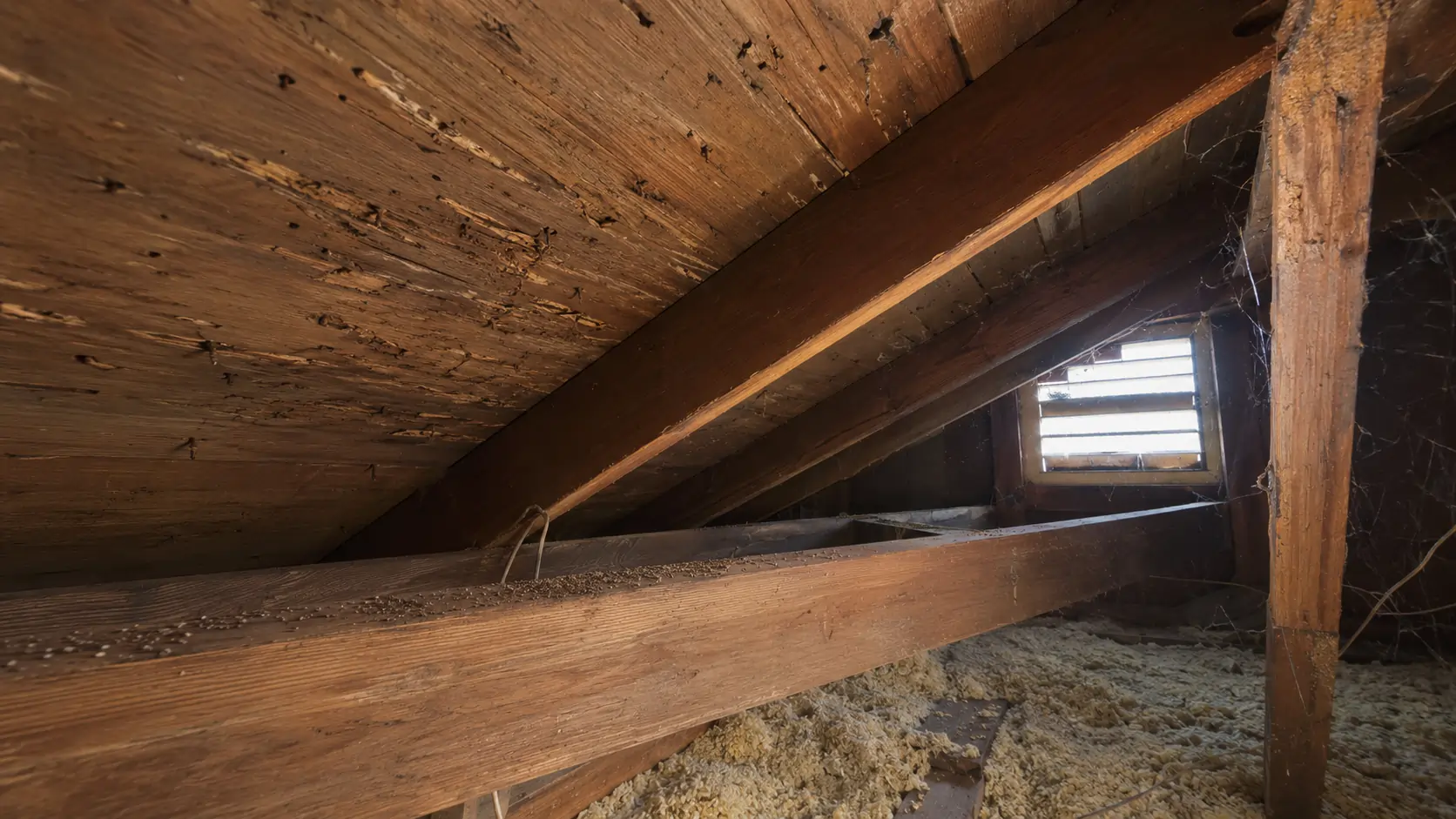
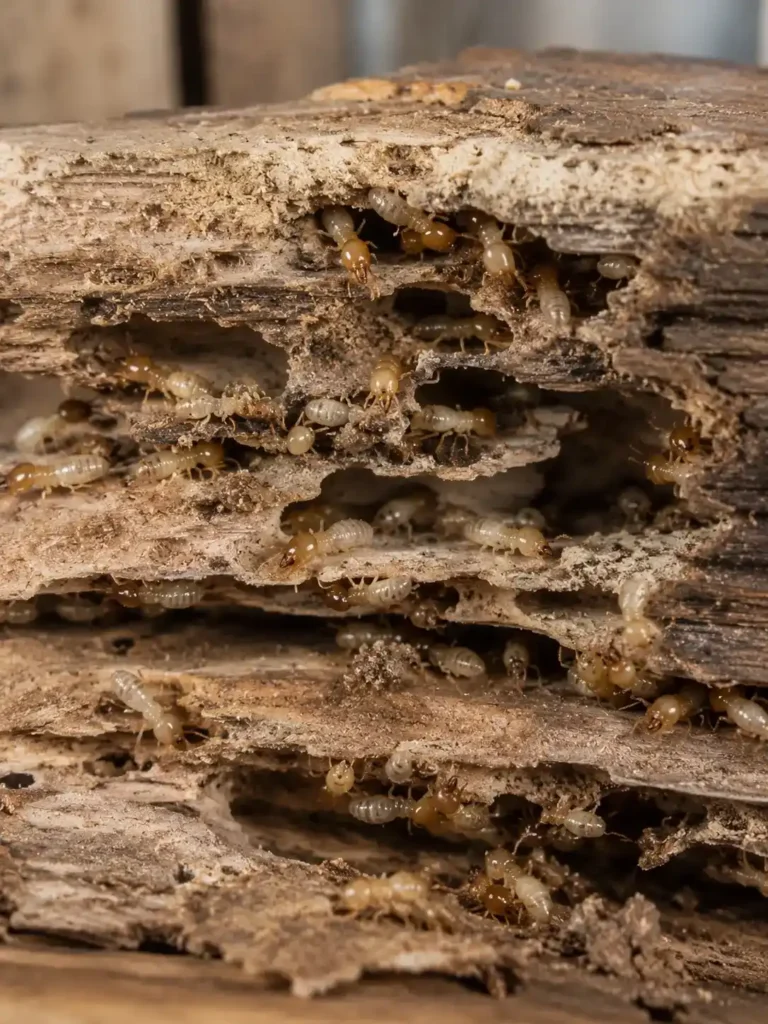
At Sacto Termite Control, we eliminate drywood termites from Sacramento homes and commercial properties using methods matched to the infestation’s location and extent. Drywood termites are Sacramento’s second termite threat after subterranean termites. Unlike subterranean species that travel up from soil, drywood termites fly in from outside and establish colonies directly inside wood. They need no soil contact, no moisture source, and no connection to the ground. That makes them harder to detect and easier to miss until the damage is already done.
Identifying Drywood Termites Before They Spread
The western drywood termite (Incisitermes minor) is Sacramento’s primary drywood species. It swarms from late August through November, with peak activity in September and October. During swarming season, winged reproductive termites fly from existing colonies, shed their wings near light sources, find a wood surface, and begin boring in to start a new colony. A single swarming event can establish multiple new colonies in different areas of the same home.
The earliest and most reliable sign of drywood termites is frass, their fecal pellets. Drywood termites push frass out of their galleries through small kickout holes, less than 2mm in diameter, drilled into the wood surface. The pellets are six-sided, elongated, and roughly the size of a grain of sand. Finding a small pile of these pellets below a window sill, along a baseboard, or near attic framing is a strong indicator of active drywood termite feeding. To confirm activity rather than an old, inactive infestation, sweep the pile clean and check the same spot in 3 to 7 days. If new pellets appear, the colony is active and needs to be treated.
Other signs include hollow-sounding wood when tapped, small surface blisters on wood where galleries run close to the surface, and swarmers or shed wings near windows and light fixtures in late summer or fall. A professional termite inspection using thermal imaging and a probe tool can locate galleries behind walls and inside framing that aren’t visible from the surface.
Spot Treatment vs. Whole-Structure Fumigation | Making the Right Call
The most important decision in drywood termite control is choosing between localized spot treatment and whole-structure fumigation. Both eliminate drywood termites. The difference is scope, and getting this wrong is costly.
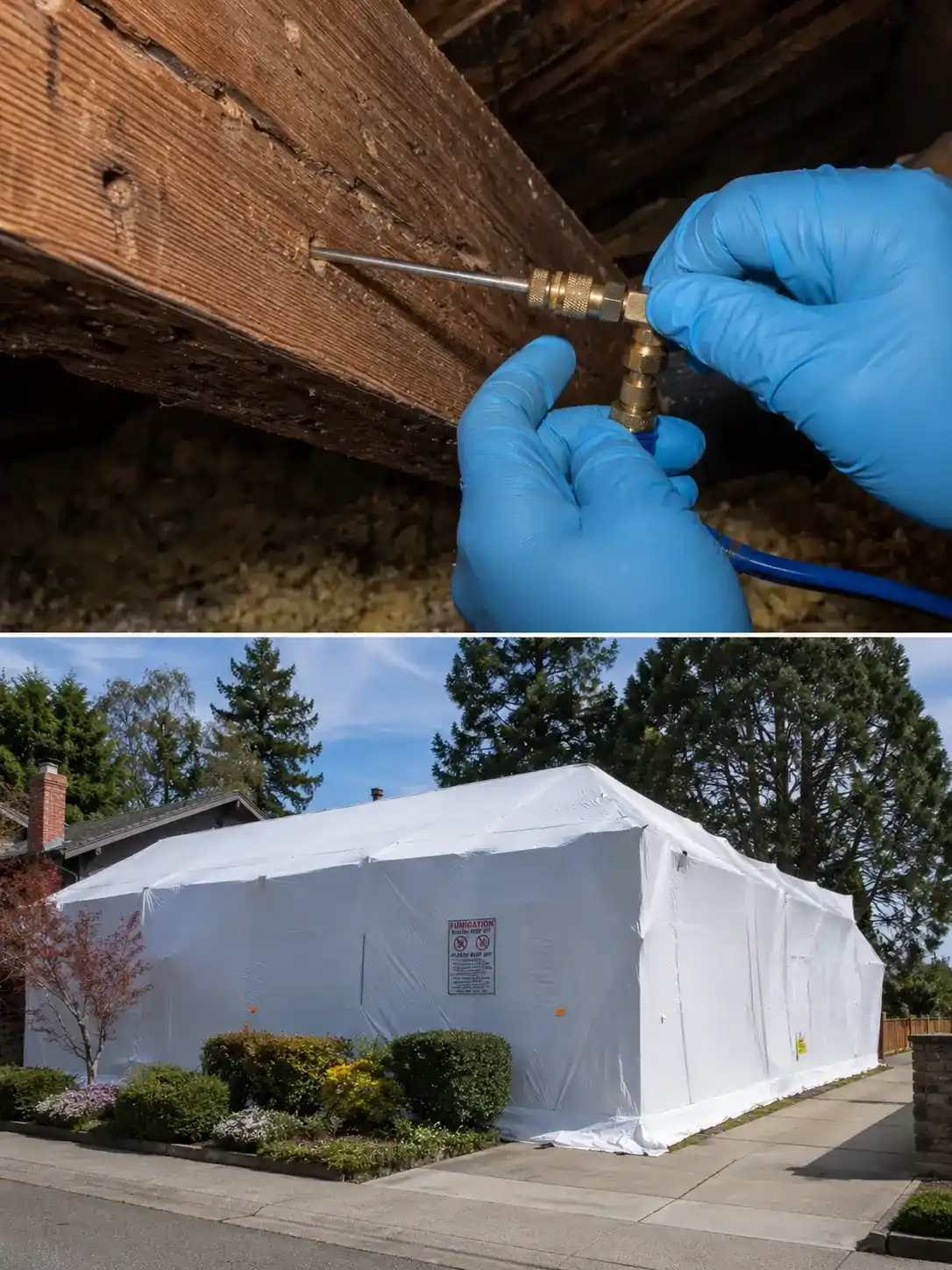
No-tent spot treatment targets a specific, identified colony. We locate the infested wood cavity using thermal imaging and listening devices, drill a small injection hole into the gallery, inject termiticide directly into the colony, and seal the hole. The colony inside that piece of wood is eliminated. Spot treatment is effective, affordable, and causes no disruption to your household. You stay home. The process takes hours, not days.
The limitation of spot treatment is honest and important: it only eliminates the colonies we can find and access. According to the UC Integrated Pest Management Program, drywood termite colonies hidden behind drywall, inside sealed wall cavities, or within framing not accessible from an inspection cannot be confirmed or treated through localized methods. If additional colonies exist in hidden areas, spot treatment leaves them in place. This is not a failure of the method, it is an inherent limitation of any localized approach.
Tent fumigation eliminates this uncertainty. Your home is sealed and filled with fumigant gas for 24 to 48 hours. The gas penetrates every wall cavity, attic space, and sealed area in the structure. All drywood termites, regardless of location, accessibility, or how many colonies are present, are eliminated in a single treatment. You vacate for 2 to 3 days. Fumigation costs more and is more disruptive, but it provides a level of certainty that spot treatment cannot.
We recommend spot treatment when the infestation is clearly isolated to one or two identified, accessible locations. We recommend fumigation when colonies are found in multiple areas, when framing behind walls is suspected, when the home has a history of drywood termite treatment, or when a homeowner needs complete assurance before a real estate transaction. If termite damage repair is also needed, we coordinate treatment and repair in the correct sequence so structural work is done on termite-free wood.
Long-Term Drywood Termite Prevention in Sacramento Homes
Drywood termites enter through exposed, unprotected wood. Every painted, sealed, or maintained wood surface is harder for swarmers to colonize. Every gap in siding, soffit, or trim is an invitation.
After treatment, we document all conditions that created access points. Exposed end grain on fascia boards is a common entry point in Sacramento homes — end grain is porous and absorbs moisture, making it attractive to swarmers. Paint or sealant on all exposed wood surfaces reduces this risk. Attic vents and crawl space vents should have fine mesh screens intact to block swarmer entry. Any wood-to-wood gaps in exterior trim, where two boards meet without a tight seal, should be caulked.
Annual inspections catch new drywood termite activity before it spreads. Sacramento’s swarming season in late summer and fall means an inspection in October or November, after peak swarming, gives you a clear picture of whether any new colonies established that year.
Commercial properties particularly offices with wood paneling, restaurants with decorative woodwork, and historic buildings with original wood framing — carry additional drywood termite risk because wood surfaces are often inaccessible for routine inspection. We provide commercial drywood termite control throughout Sacramento with treatment documentation suitable for property managers and building owners.
Frequent Questions About Drywood Termite Control in Sacramento
Straight answers to what Sacramento homeowners ask most before calling us.
Yes, with a simple test. Sweep up any frass pellets you find and clean the area around the kickout hole. Come back in 3 to 7 days. If a new pile of pellets has appeared, the colony is actively feeding and needs treatment. If no new pellets appear after a week, the colony may be inactive or gone. Do not clean up frass before an inspection — an inspector can use the pellet location and quantity to estimate the size and age of the infestation. Old frass piles that have accumulated for months look different from fresh ones, and an experienced inspector will note the difference.
Multiple colonies are common, especially in older Sacramento homes where swarming events have occurred across multiple years. A mature drywood colony typically has several hundred to a few thousand termites — far fewer than a subterranean colony — but multiple colonies in different areas of the same home compound the damage. Finding frass in your attic does not mean there is not also a colony in your wall framing or window trim. This is exactly why a thorough inspection matters before choosing between spot treatment and fumigation.
For spot treatment, no. Termiticide is injected inside the wood cavity and sealed. There is no airborne chemical exposure in your living space. For fumigation, food, medications, and houseplants must be removed or sealed before tenting. We provide a detailed preparation checklist and fumigation bags for consumables when fumigation is scheduled. After the aeration period following fumigation, no fumigant residue remains on surfaces, fabrics, or belongings inside the home. Returning occupants do not require any special precautions once the clearance certificate is issued.
Yes. Drywood termites infest commercial properties as readily as homes. Office buildings with wood millwork, restaurants with decorative wood ceilings, retail spaces with wood display fixtures, and historic commercial buildings with original framing are all at risk. Spot treatment for commercial properties works the same way as residential — we locate, inject, and seal. For large commercial spaces with multiple infested areas or inaccessible framing, fumigation may be the more practical solution. We schedule commercial treatment to minimize business disruption and provide written documentation for property management and insurance purposes.
We Control Drywood Termites Throughout Sacramento and the Region
Our drywood termite control services are available across Greater Sacramento. Each city linked below has a dedicated page covering local home ages, soil conditions, and drywood termite risk specific to that area.
Sacramento — Elk Grove — Roseville — Folsom — Citrus Heights — Rancho Cordova — Carmichael — Fair Oaks — Rocklin — Davis — West Sacramento — Natomas — Galt — Woodland — Lincoln — Antelope — Orangevale — Auburn
Get an Estimate
Call (916) 530-2030 or email hello@sactotermitecontrol.com. Drywood termite estimates are no-cost after inspection. We will identify the species, confirm active or inactive status, and recommend spot treatment or fumigation based on what we actually find.
- Licensed by the California Structural Pest Control Board
- Thermal imaging used on every inspection
- Honest guidance on spot treatment vs. fumigation
- Residential and commercial properties served
- Written treatment documentation on every job
