· Citrus Heights, CA – Zone 1 · Arcade Creek
Termite Control in Citrus Heights, CA – Before It Gets Worse.
Citrus Heights carries one of the highest concentrations of post-war homes in the Sacramento region. Most of them are built between 1955 and 1975 with no soil barriers, no pre-construction treatment, and now 50 to 70 years of accumulated termite vulnerability. Arcade Creek and its tributaries sustain subterranean colonies throughout the city’s flat clay terrain year-round. Our licensed technicians have served Citrus Heights since 2010 with free same-day inspections and a written warranty on every treatment.
Open Today
15+
Years of Treating Termites
4.9★
Google Rating
24/7
Emergency Service
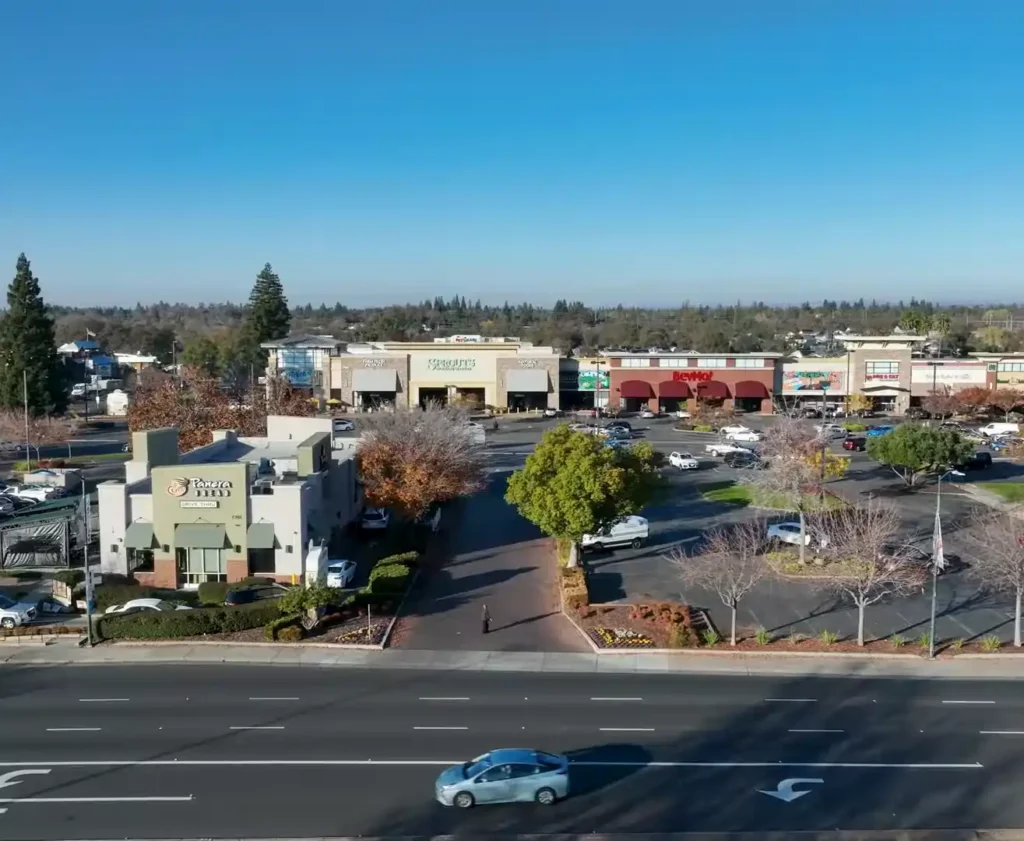
Licensed Termite Control in Citrus Heights for Every Species, Home Age, and Treatment Need
Citrus Heights was built almost entirely during the post-war suburban expansion of the 1950s, 1960s, and 1970s. This concentrated era of construction left the city with a residential housing stock that predates every modern termite protection standard. Slab foundations without soil barriers, wood-frame construction with minimal crawl space clearance, and aging roof vents with degraded screening define the majority of homes across the city. Combined with Arcade Creek’s year-round moisture influence on Citrus Heights clay soils, the city sustains both subterranean and drywood termite pressure across virtually every neighborhood simultaneously.
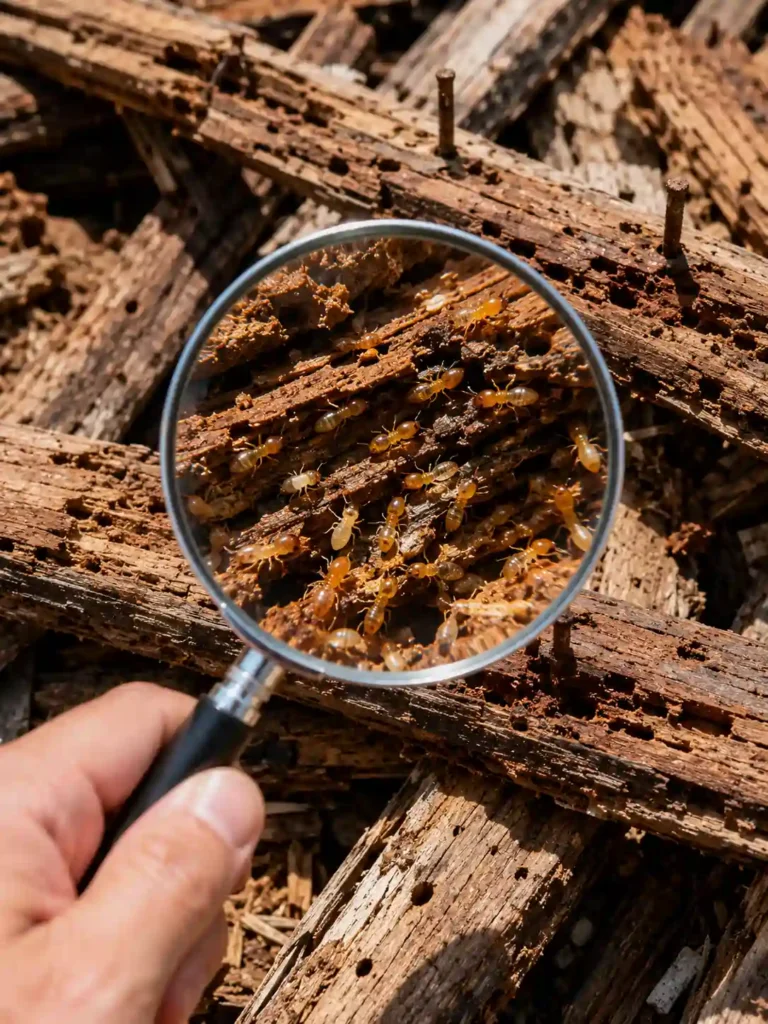
Every Citrus Heights engagement begins with a professional termite inspection using acoustic emission devices and thermal imaging to identify active species and locate colonies inside wall systems, floor assemblies, and attic framing before any treatment is recommended. Subterranean termites in Citrus Heights clay soils are addressed through liquid barrier applications around the full foundation perimeter, with additional rodding through slab penetrations where utility and plumbing entries create direct pathways from treated soil to untreated wood framing above. Drywood termites entering through aging roof vents and degraded soffit screening during summer swarming are resolved through targeted spot injection for isolated colonies or whole-structure fumigation for infestations that have spread across multiple attic zones.
For confirmed Formosan subterranean termite cases, multi-method treatment combining liquid barriers and bait stations with extended monitoring is applied immediately given Formosan colonies’ accelerated damage rate. Citrus Heights homeowners in older properties who have never had professional termite treatment benefit most from annual termite bonds that provide ongoing inspection, barrier maintenance, and retreatment guarantees as a cost-effective alternative to reactive treatment after infestation is discovered. Where termites have already caused structural or cosmetic damage to Citrus Heights homes, we coordinate licensed contractor repairs with building permits handled through Sacramento County for all structural work.
Why Citrus Heights Homes Face Compounding Termite Risk Year After Year
Citrus Heights combines the oldest unprotected housing stock in the Sacramento region with active creek corridor moisture and a mature urban tree canopy that sustains termite habitat across the entire city. These four problem patterns define what our technicians find most consistently across Citrus Heights properties.
Post-War Housing Stock with Zero Original Termite Protection
WHY IT HAPPENS HERE
The majority of Citrus Heights homes were built between 1955 and 1975, before pre-construction soil treatment was required or practiced. These homes have no chemical soil barrier, no treated framing lumber, and sill plates that in many cases rest directly on concrete or shallow soil with no protective layer between the structure and the termite-active ground below.
OUR APPROACH
Older Citrus Heights homes require a full perimeter barrier installation from scratch, not a refresh. We trench and rod to correct depth around the entire foundation, verify treatment volume per linear foot, and assess all slab penetrations for additional entry points before backfilling.
Arcade Creek Corridor Delivers Year-Round Subterranean Pressure
WHY IT HAPPENS HERE
Arcade Creek and its network of tributaries cross through Citrus Heights from east to west, maintaining soil moisture in adjacent clay soils throughout the year including during dry summer months. Neighborhoods within several blocks of any Arcade Creek channel carry sustained subterranean termite pressure regardless of seasonal rainfall patterns.
OUR APPROACH
Creek-adjacent Citrus Heights properties are assessed for both foundation proximity to drainage channels and soil moisture levels at the perimeter. We adjust barrier depth and monitoring frequency based on measured proximity to Arcade Creek tributaries, not on a standard city-wide protocol.
Mature Tree Canopy Creates Persistent Drywood Termite Habitat
WHY IT HAPPENS HERE
Citrus Heights neighborhoods planted mature shade trees during post-war development that now form a dense canopy across the city. Aging trees produce wood debris, retain moisture on roof surfaces, and provide drywood termite swarmers with direct access routes from infested tree wood to roof vents, attic gaps, and exterior trim on adjacent homes.
OUR APPROACH
Attic inspection is standard on every Citrus Heights assessment. We specifically assess roof surface contact points where tree branches reach rooflines and map vent screening condition as part of every inspection. Treatment recommendations address both active colonies and the entry points that allowed colonization.
Deferred Maintenance Creates Multiplying Entry Points in Aging Homes
WHY IT HAPPENS HERE
Older Citrus Heights homes accumulate small maintenance deficits over decades. Cracked foundation concrete, degraded vent screening, failed caulking at utility penetrations, and deteriorated door and window frames create termite entry points that multiply with each year of deferred maintenance. A home with five entry points is significantly more vulnerable than one with one.
OUR APPROACH
Our inspection documents every active entry point alongside every active colony. Treatment recommendations address both the infestation and the structural conditions allowing access. Sealing utility penetrations and replacing vent screening are included in every Citrus Heights treatment recommendation.
Citrus Heights Termite Activity Across Every Season
Citrus Heights termite pressure does not pause between seasons. The city’s clay soils, creek corridor moisture, and aging housing stock create conditions where both subterranean and drywood species maintain activity in every month of the year.
Spring (March – May)
Citrus Heights clay soils reach the swarming threshold temperature between mid-March and late April, triggering subterranean reproductive activity across the city with the heaviest concentration of swarming near Arcade Creek tributaries where soil moisture peaks earliest in the season.
TIP: Schedule your annual inspection before April. Post-war Citrus Heights homes with no prior treatment history are the highest-priority properties for early spring inspection. Subterranean mud tube construction begins at foundation level before swarmers emerge above ground, and catching tubes early is significantly cheaper than treating an established wall-system infestation.
Summer (June – September)
Drywood termite swarmers exploit aging vent screens, degraded soffit boards, and tree canopy access routes on Citrus Heights older homes from late July through September, while subterranean colonies continue feeding through underground networks on foundations across the city.
TIP: Inspect your attic for frass deposits and listen for faint clicking sounds in ceiling joists after 10pm during summer months. Drywood termites feed more actively at night and acoustic emission can sometimes be detected without equipment in quiet conditions when infestations are large.
Fall (October – November)
The first autumn rains restore moisture to Citrus Heights clay soils and reactivate subterranean foraging at the foundation perimeter. This is the optimal window for liquid barrier applications across the city’s flat clay terrain.
TIP: Fall barrier applications in Citrus Heights outperform summer applications because partially rehydrated clay distributes termiticide evenly through the soil column. Properties near Arcade Creek tributaries should prioritize fall treatment scheduling before creek levels rise and soil becomes fully saturated.
Winter (December – February)
Arcade Creek channels reach seasonal flow capacity from December through February, sustaining elevated soil moisture throughout creek-adjacent Citrus Heights neighborhoods and maintaining active subterranean termite feeding and mud tube construction on foundation walls throughout the wet season.
TIP: Walk your foundation perimeter after each significant rainfall between December and February. New mud tube construction on concrete foundation surfaces is easiest to spot on wet surfaces within 24 hours of rain clearing. Creek-adjacent Citrus Heights homes should check both the street-facing and rear-yard foundation sections where creek proximity is greatest.
Termite Control Services Available in Citrus Heights
- Termite Inspection Same-day and next-day availability across all Citrus Heights neighborhoods. Acoustic emission detection and thermal imaging locate active colonies in wall systems and attic framing of older homes where visual inspection alone cannot confirm infestation.
- Termite Treatment Species-matched treatment for Citrus Heights’ dual-species pressure environment. Post-war homes with no prior treatment history receive full baseline barrier installation, not a product refresh.
- Subterranean Termite Control Liquid barriers and bait stations calibrated for Citrus Heights clay soils and Arcade Creek corridor moisture. Slab penetration rodding is included on older properties where utility entries provide direct pathways from soil to framing.
- Drywood Termite Control Spot treatment for isolated attic colonies or whole-structure fumigation for widespread infestations in older Citrus Heights homes. Aging roof vents and soffit screening on post-war properties are assessed and documented at every inspection.
- Formosan Termite Control Multi-method treatment for the most destructive subterranean species in the Sacramento region. Formosan colonies in Citrus Heights clay soils near creek corridors are treated with both liquid barriers and bait station monitoring given the colony size and structural damage rate.
- Tent Fumigation Whole-structure elimination for severe or widespread drywood infestations in Citrus Heights homes. The most practical solution when acoustic emission confirms active colonies across multiple attic zones in older wood-framed properties.
- No-Tent Spot Treatment Targeted termiticide injection for isolated drywood colonies without evacuation or fumigation disruption. Effective for early-stage infestations in accessible attic framing and wall cavities of Citrus Heights post-war homes.
- Pre-Construction Termite Treatment Soil and framing wood treatment for new infill construction and additions throughout Citrus Heights. HUD-NPMA-99A and 99B documentation provided for FHA and VA financed projects through Sacramento County.
- Termite Damage Repair Structural and cosmetic repair coordination after treatment is confirmed complete. Older Citrus Heights homes frequently require sill plate replacement and floor joist sistering alongside cosmetic trim and baseboard restoration. Permits handled through Sacramento County.
Termite Control Across Citrus Heights and the Surrounding Sacramento Region
We serve Citrus Heights and 17 cities throughout the Sacramento Valley. Every location receives the same licensed inspection standards and species-matched treatments.
Sacramento · Elk Grove · Roseville · Folsom · Rancho Cordova · Carmichael · Fair Oaks · Rocklin · Davis · West Sacramento · Natomas · Galt · Woodland · Lincoln · Antelope · Orangevale · Auburn