· Folsom, CA – Zone 1 · River Granite Corridor
Kill The Termites in Folsom, CA
Before The Damage Runs Deeper.
Folsom’s position along the American River corridor and its granite-based foothill soils create conditions where drywood and subterranean termites pressure homes from different directions depending on neighborhood elevation and proximity to water. Our licensed technicians have served Folsom since 2010 with free same-day inspections and a written warranty on every treatment.
Open Today
15+
Years of Treating Termites
4.9★
Google Rating
24/7
Emergency Service
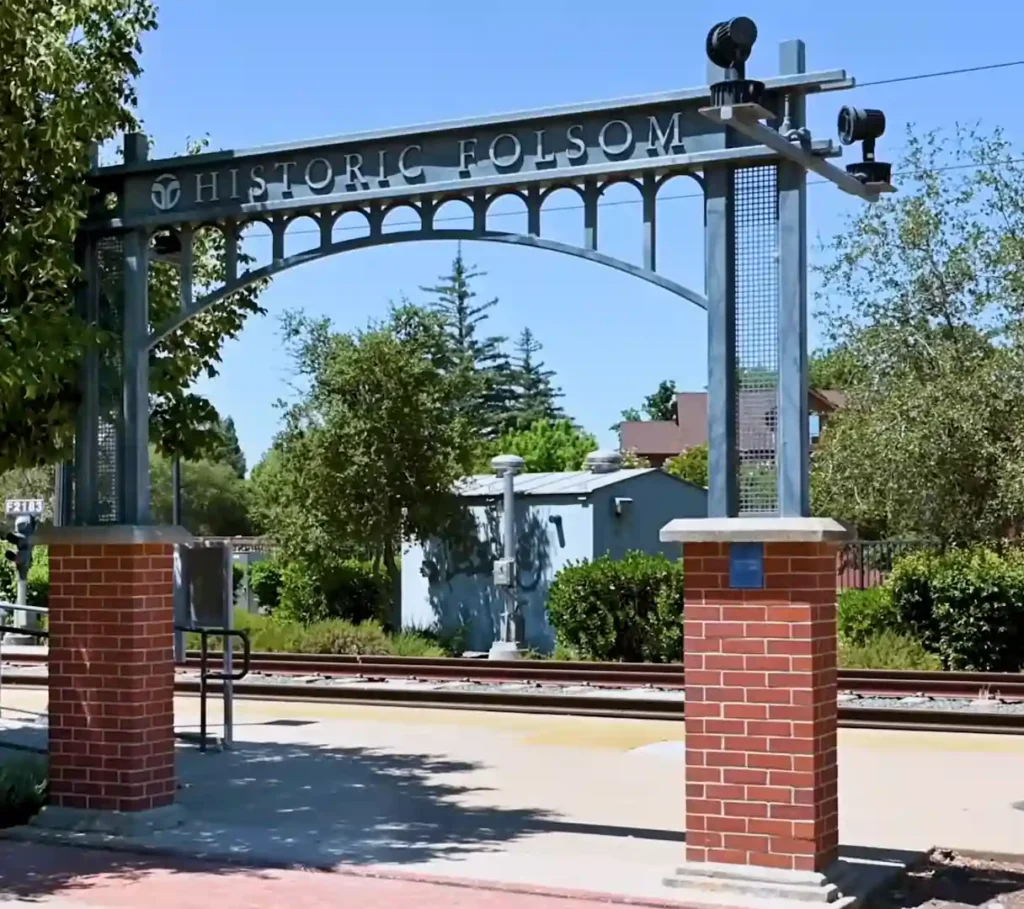
Licensed Termite Control in Folsom for Every Species, Property Age, and Soil Zone
Folsom occupies a distinct ecological position in the Sacramento Valley. The American River runs along its western and northern boundary, sustaining clay-rich alluvial soils in lower residential corridors that support large subterranean termite colonies year-round. Elevated neighborhoods on decomposed granite and rocky foothill terrain experience rapid drainage and low ambient soil moisture, creating the dry wood conditions that drywood termites prefer for attic and wall cavity colonization. Old Town Folsom adds a third dimension, historic wood-framed structures from the late 1800s and early 1900s with no chemical soil barriers and decades of accumulated structural vulnerability.
Every Folsom engagement begins with a professional termite inspection using acoustic emission devices and thermal imaging to confirm species identity and locate active colonies before any treatment decision is made. Subterranean termites in Folsom’s river-adjacent clay corridors are addressed through liquid barrier applications calibrated for the moisture-retentive alluvial soils along the American River Parkway edge. Drywood termites colonizing Folsom’s elevated foothill neighborhoods during the city’s extreme summer swarming window are resolved through targeted spot injection for isolated attic colonies or whole-structure fumigation when infestations extend across multiple zones.
For confirmed Formosan subterranean termite cases, a multi-method approach combining liquid barriers and bait stations with extended monitoring is applied. Homeowners in Empire Ranch, Broadstone, and Willow Creek communities built between 1995 and 2010 whose original pre-construction barriers have degraded benefit from annual termite bonds covering inspection, barrier refresh, and retreatment guarantees. New construction in Folsom Ranch and expanding southern corridors receives pre-construction soil and framing treatment with full HUD-NPMA documentation for FHA and VA financed projects. Where drywood or subterranean termites have caused structural or cosmetic damage, we coordinate licensed contractor repairs with all building permits handled through the City of Folsom and Sacramento County.
Why Folsom Properties Face Termite Pressure From Two Distinct Environments
Folsom’s geography places residential neighborhoods at the intersection of an active river corridor and granite foothill terrain, creating termite pressure patterns that differ significantly between neighborhoods a mile apart. These are the four problem patterns our technicians encounter most consistently across Folsom properties.
Old Town Folsom’s Historic Wood Structures Carry Maximum Termite Vulnerability
WHY IT HAPPENS HERE
Homes and commercial buildings in Old Town Folsom date to the late 1800s and early 1900s. Many were built directly on soil with no foundation barrier, using old-growth lumber that is now fully seasoned and highly susceptible to both drywood and subterranean termite feeding. Decades without modern termite treatment compounds the risk significantly.
OUR APPROACH
Historic Folsom structures require a full assessment of foundation type, wood species, and access points before treatment is recommended. We use non-destructive detection methods to locate colonies without damaging original structural elements, and coordinate treatment with any applicable historic preservation requirements.
American River Corridor Sustains Subterranean Colonies Through Dry Season
WHY IT HAPPENS HERE
The American River and its adjacent riparian soil maintain elevated moisture levels along Folsom’s western and northern residential boundary throughout the year. Neighborhoods bordering the American River Parkway, Lake Natoma, and Folsom Lake carry persistent subterranean termite pressure even during summer months when surrounding soils are fully dry.
OUR APPROACH
River-adjacent Folsom properties receive deeper barrier trenching and higher monitoring frequency than inland properties. The sustained moisture environment means new colony establishment can occur at any point in the year, not only during wet-season peaks.
Extreme Summer Heat Drives Drywood Swarming Into Elevated Foothill Neighborhoods
WHY IT HAPPENS HERE
Folsom regularly exceeds 105 degrees Fahrenheit in July and August. These temperatures trigger drywood termite swarming behavior in elevated neighborhoods where decomposed granite soils and rapid drainage create the dry wood environment drywood colonies prefer. Roof vents, ridge caps, and attic access gaps in foothill homes provide direct entry during peak afternoon heat.
OUR APPROACH
Attic framing inspection is standard on every Folsom assessment. Acoustic emission devices confirm drywood activity before any treatment is recommended. Early-stage attic infestations are resolved with spot injection. Widespread colonies require fumigation with full clearance certification before re-entry.
Aging Pre-Construction Barriers in 1990s–2000s Folsom Communities
WHY IT HAPPENS HERE
Empire Ranch, Broadstone, Willow Creek, and neighboring master-planned communities built during Folsom’s growth period between 1994 and 2008 had pre-construction soil treatment applied during construction that has now degraded to below effective concentrations. These homes currently lack active chemical protection at the foundation perimeter.
OUR APPROACH
We assess original treatment documentation where available and conduct soil moisture mapping at the foundation line. Homes with no verified barrier treatment in the past ten years are treated as if no prior barrier exists and receive a full perimeter application to correct depth and volume.
Folsom Termite Activity Across Every Season
Folsom’s river corridor, granite terrain, and extreme summer heat create a termite pressure calendar driven by three distinct environmental forces operating at different times of year. Understanding which force is active in which season is how Folsom homeowners stay ahead of infestation.
Spring (March – May)
American River snowmelt from the Sierra Nevada raises the water table along Folsom’s western and northern boundary from March through May, triggering subterranean termite swarming activity in river-adjacent neighborhoods at the season’s peak. Winged reproductives from established colonies emerge during warm afternoons and disperse toward the nearest accessible wood source.
TIP: Folsom homeowners within two blocks of the American River Parkway, Lake Natoma, or Folsom Lake shoreline should schedule spring inspections before April 15. River-adjacent swarming peaks earlier and more intensely in Folsom than in inland Sacramento Valley cities.
Summer (June – September)
Folsom’s extreme summer heat, regularly exceeding 105 degrees, triggers the most aggressive drywood termite swarming window of the year across elevated foothill neighborhoods, with colonization through ridge vents and attic access points peaking between late July and mid-September.
TIP: Winged insects collecting at ceiling light fixtures or window frames between July and September confirm an established drywood colony swarming from inside your structure. Contact us within 48 hours. Swarming events do not mean termites are entering from outside — they confirm active infestation already present.
Fall (October – November)
Cooling temperatures close the drywood swarming window as the first autumn rains begin restoring moisture to Folsom’s granite and clay soils, reactivating subterranean foraging activity along the American River corridor and around foundations in lower-elevation neighborhoods.
TIP: Fall is the optimal window for liquid barrier applications across all Folsom soil types. Partially rehydrated soil in both the granite and clay zones distributes termiticide more evenly than summer-dry conditions allow, and early fall application puts the barrier in place before winter subterranean pressure peaks.
Winter (December – February)
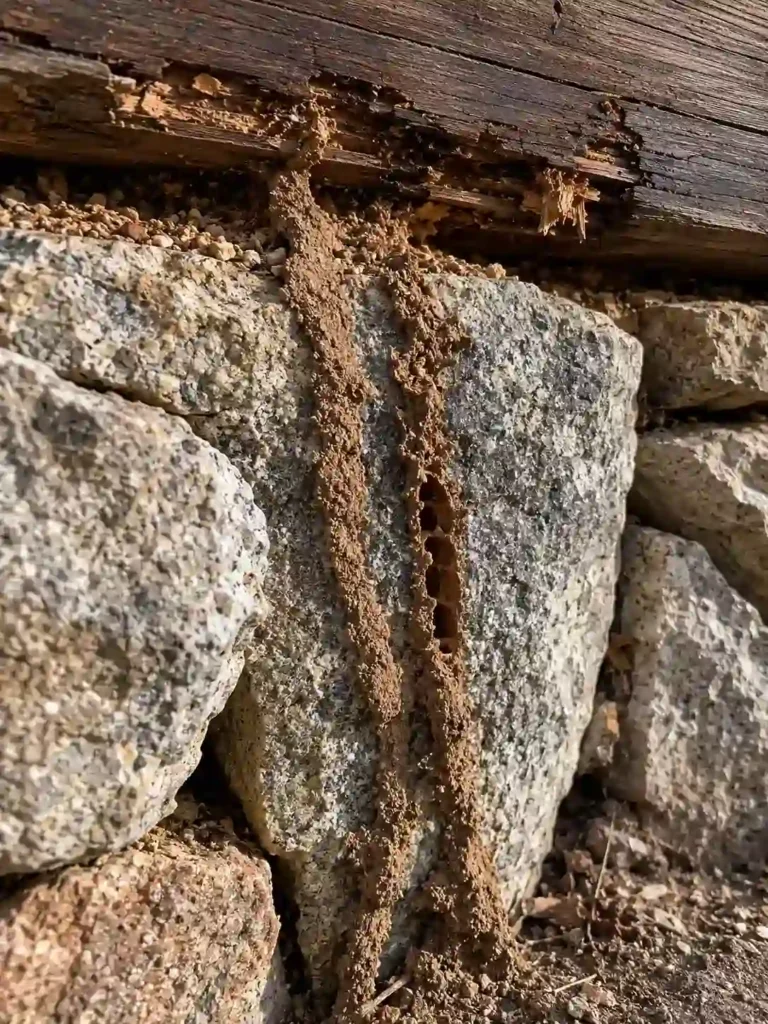
The American River and Folsom Lake reach seasonal high levels from December through February, raising soil moisture under river-adjacent neighborhoods to peak annual levels and sustaining active subterranean termite mud tube construction on foundations throughout winter whenever temperatures exceed 50 degrees.
TIP: Inspect your foundation perimeter after each significant rain event from December through February. New mud tube construction on wet concrete and stucco foundation surfaces is most visible in the 24 hours immediately after rain clears, and winter is when river-corridor colonies extend their reach most actively toward residential wood
Termite Control Services Available in Folsom
- Termite Inspection Same-day and next-day availability across all Folsom neighborhoods from Old Town to Folsom Ranch. Acoustic emission detection and thermal imaging confirm species identity and colony location before any treatment recommendation is made.
- Termite Treatment Species-matched treatment for Folsom’s river corridor and foothill terrain. River-adjacent and elevated neighborhoods face different dominant species and require different treatment approaches.
- Subterranean Termite Control Liquid barriers and bait stations calibrated for Folsom’s American River alluvial soils. Properties bordering the river parkway and Lake Natoma receive deeper barrier application and higher annual monitoring frequency than inland Folsom properties.
- Drywood Termite Control Spot treatment for isolated attic and wall cavity colonies or whole-structure fumigation for widespread infestations. Folsom’s extreme summer swarming window makes early drywood detection the single most important factor in controlling treatment cost.
- Formosan Termite Control Multi-method treatment for the most destructive subterranean species documented in the Sacramento region. Formosan colonies near Folsom’s river corridors require immediate aggressive action given their colony size and structural damage rate.
- Tent Fumigation Whole-structure elimination for severe or widespread drywood infestations in Folsom homes. Complete in 48 hours with full clearance certification before re-entry. Most practical solution for foothill homes with multiple infested attic zones.
- No-Tent Spot Treatment Targeted termiticide injection for isolated drywood colonies in attic framing, wall cavities, and structural trim. No evacuation required. The right choice for early-stage drywood infestations in Folsom’s elevated foothill neighborhoods.
- Pre-Construction Termite Treatment Soil and framing wood treatment for new Folsom Ranch builds and infill construction throughout the city. HUD-NPMA-99A and 99B documentation provided for FHA and VA financed projects through Sacramento County.
- Termite Damage Repair Structural and cosmetic repair coordination after treatment is confirmed complete. Historic Old Town Folsom properties receive non-destructive repair assessment. Building permits handled through the City of Folsom for all structural work.
Termite Control Across Folsom and the Surrounding Sacramento Region
We serve Folsom and 17 cities throughout the Sacramento Valley. Every location receives the same licensed inspection standards and species-matched treatments.
Sacramento · Elk Grove · Roseville · Citrus Heights · Rancho Cordova · Carmichael · Fair Oaks · Rocklin · Davis · West Sacramento · Natomas · Galt · Woodland · Lincoln · Antelope · Orangevale · Auburn