
· Davis, CA – Zone 1 · Yolo Agricultural Belt
Treat Termites in Davis, CA – Protect Your Investment.
Davis sits in Yolo County surrounded by some of the most intensively irrigated agricultural land in California, where Putah Creek, university-owned farmland, and a dense stock of older single-family rental homes near the UC Davis campus create termite conditions distinct from the Sacramento County cities across the river. Our licensed technicians have served Davis since 2010 with free same-day inspections and a written warranty on every treatment.
Open Today
15+
Years of Treating Termites
4.9★
Google Rating
24/7
Emergency Service
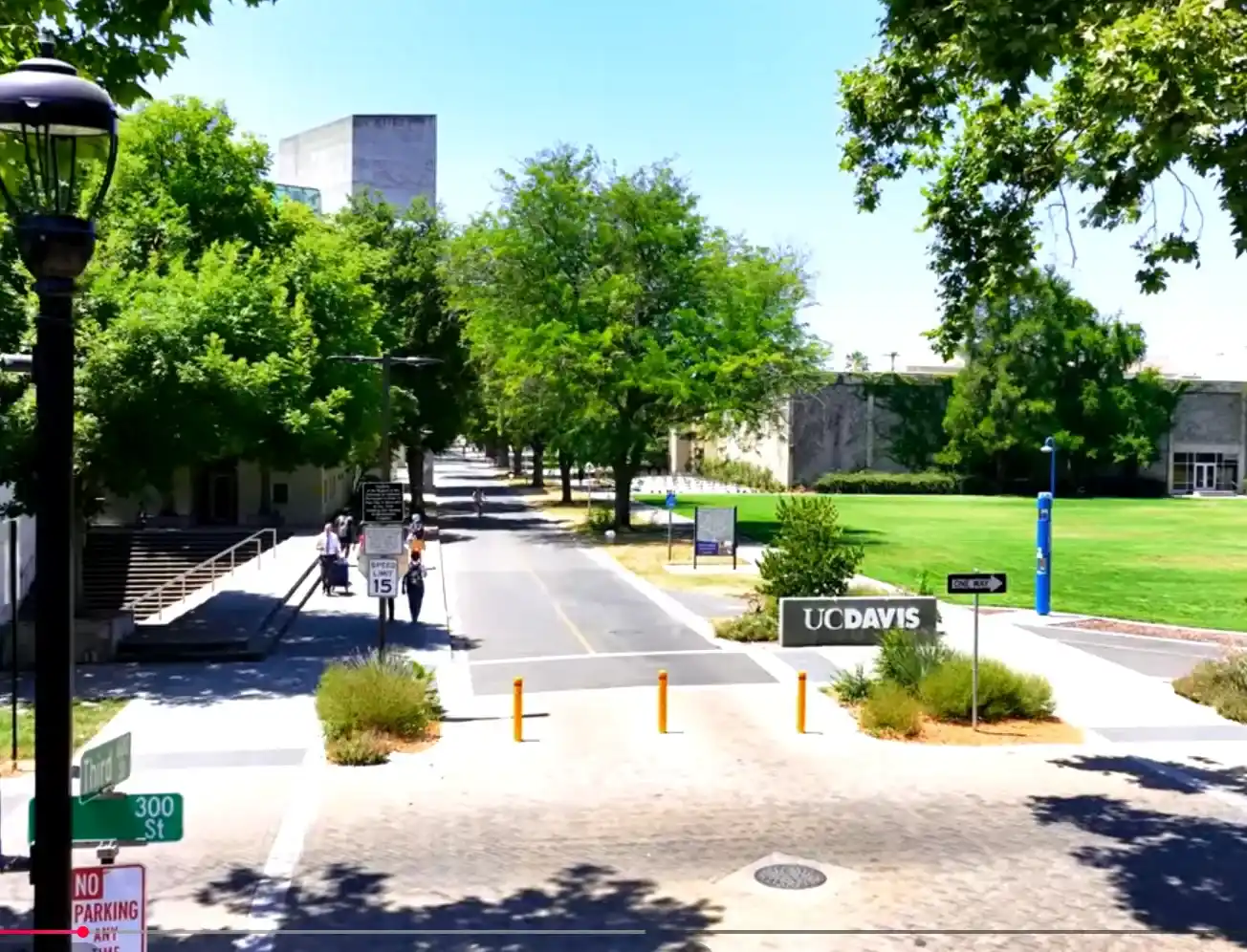
Licensed Termite Control in Davis for Rental Properties, Agricultural-Adjacent Homes, and Every Termite Species
Davis occupies a distinct position in our service area as the only city west of the Sacramento River, situated in Yolo County rather than Sacramento County. The city is surrounded by intensively irrigated agricultural fields, much of it owned and operated by UC Davis for research purposes, creating a ring of constantly irrigated land around the city’s residential perimeter. Davis also has one of the highest rental housing concentrations in our service area, with a large stock of older single-family homes near campus converted to student rentals, often with deferred maintenance that increases termite vulnerability.
Every Davis engagement begins with a professional termite inspection using acoustic emission devices and thermal imaging to identify active species and locate colonies before any treatment is recommended. Subterranean termites in Davis’ clay-heavy agricultural soils, particularly in neighborhoods bordering irrigated fields and the Putah Creek corridor, are addressed through liquid barrier applications calibrated for the sustained moisture these agricultural irrigation cycles create. Drywood termites colonizing older Davis homes near downtown and the campus core during summer swarming are resolved through targeted spot injection for isolated colonies or whole-structure fumigation when infestation has spread across multiple zones.
For rental property owners in Davis managing multiple units, coordinated inspection scheduling across a portfolio reduces disruption while ensuring every property receives the same standard of assessment. Formosan subterranean termite cases near agricultural irrigation zones are addressed through multi-method treatment combining liquid barriers and bait stations with extended monitoring given the colony size these soils can sustain. Where termite damage has occurred in Davis’ older rental housing stock, we coordinate licensed contractor repairs with Yolo County building permits handled for all structural work, with documentation suitable for landlords managing multiple properties.
Why Davis Properties Face Termite Pressure Shaped by Agriculture and Rental Density
Davis’ position surrounded by irrigated agricultural land, its large student rental housing stock, and its location across the river in Yolo County create termite risk patterns that differ from Sacramento County communities. These four problem patterns define what our technicians find most consistently across Davis properties.
Surrounding Agricultural Irrigation Creates Constant Soil Moisture at the Residential Edge
WHY IT HAPPENS HERE
Much of the farmland surrounding Davis is intensively irrigated throughout the growing season, including significant acreage owned by UC Davis for agricultural research. This irrigation maintains soil moisture levels at the residential boundary that are higher and more consistent than dryland-adjacent communities experience, sustaining subterranean termite colonies in soils that border the city’s edge neighborhoods.
OUR APPROACH
Properties bordering irrigated agricultural land in Davis are assessed as elevated-risk regardless of the property’s own age or construction. We recommend annual inspection and active barrier maintenance for any property where the rear or side boundary meets actively irrigated farmland.
High Rental Density Near Campus Means Deferred Maintenance Compounds Termite Risk
WHY IT HAPPENS HERE
Neighborhoods near the UC Davis campus, including areas along Russell Boulevard and Sycamore Lane, have a high concentration of older single-family homes converted to student rentals. Rental properties under deferred maintenance schedules often have degraded vent screening, unaddressed foundation cracks, and landscaping issues that create termite entry points landlords may not be aware of until tenants report problems.
OUR APPROACH
We work directly with property managers and landlords on coordinated inspection schedules across rental portfolios. Documentation is provided in a format suitable for multiple-property recordkeeping, and treatment recommendations prioritize addressing entry points that are often overlooked in routine rental maintenance.
Putah Creek Corridor Sustains Subterranean Colonies Through Dry Season
WHY IT HAPPENS HERE
Putah Creek runs along Davis’ southern edge, maintaining riparian soil moisture that sustains subterranean termite colonies through the dry season in a band along the creek corridor. South Davis neighborhoods closest to the creek experience subterranean pressure that does not follow the same seasonal pattern as inland Davis properties.
OUR APPROACH
Properties within several blocks of Putah Creek receive deeper barrier trenching and are placed on annual inspection schedules reflecting the year-round moisture conditions, similar to how we treat river corridor properties in Sacramento County cities.
Yolo County Clay Soils Behave Differently From Sacramento County Clay
WHY IT HAPPENS HERE
Davis sits on Yolo County clay soils that, while similar in general classification to Sacramento County clay, have different drainage and cracking characteristics due to the area’s agricultural irrigation history and different alluvial deposition patterns from Putah Creek and the Sacramento River’s west bank. Treatment protocols calibrated for Sacramento County clay do not always transfer directly.
OUR APPROACH
We assess soil conditions specific to each Davis property rather than applying Sacramento County clay assumptions across the river. Barrier depth and application volume are determined by moisture meter readings and soil assessment at the individual property, not a regional default.
Davis Termite Activity Across Every Season
Davis’ surrounding agricultural irrigation cycles, Putah Creek corridor, and dense rental housing stock create termite pressure that follows both the region’s natural seasonal patterns and the agricultural calendar of the farmland surrounding the city.
Spring (March – May)
As agricultural irrigation ramps up for the spring planting season, soil moisture at Davis’ residential-agricultural boundary increases sharply, triggering subterranean termite swarming activity in edge neighborhoods earlier than in inland communities not bordered by irrigated farmland.
TIP: If your Davis property borders agricultural land, spring is the highest-priority inspection window. The onset of irrigation season creates a moisture increase at your property boundary that can trigger swarming activity before similar triggers occur in non-agricultural-adjacent neighborhoods.
Summer (June – September)
Peak agricultural irrigation throughout summer sustains subterranean termite activity at the agricultural edge of Davis, while drywood termite swarmers become active in older campus-area homes from late July through September, often going unnoticed in rental properties where tenants may not recognize swarming signs.
TIP: Landlords with Davis rental properties should include a tenant-facing reminder about swarming signs as part of summer property communications. Tenants in older homes near campus may not recognize winged insects near light fixtures as a termite issue requiring immediate landlord notification.
Fall (October – November)
As agricultural irrigation winds down after harvest, soil moisture at the Davis agricultural boundary begins to normalize, while the first autumn rains reactivate subterranean foraging throughout the city’s clay soils more broadly. This transition period is when agricultural-edge properties shift from irrigation-driven moisture to rainfall-driven moisture.
TIP: Fall is the optimal window for barrier applications on Davis properties bordering agricultural land. Scheduling treatment during the transition between irrigation season and rainy season ensures the barrier is established before either moisture source is at its peak.
Winter (December – February)
Winter rains saturate Davis’ Yolo County clay soils while Putah Creek reaches seasonal high flow, sustaining subterranean termite mud tube construction along the creek corridor and throughout the city’s clay-soil neighborhoods regardless of the dormant agricultural season surrounding the city.
TIP: Walk your foundation perimeter after heavy rain events from December through February, particularly if your property is near Putah Creek or borders agricultural land that was irrigated through fall. New mud tube construction is most visible on wet concrete surfaces within 24 hours of rain clearing.
Termite Control Services Available in Davis
- Termite Inspection Same-day and next-day availability across Davis, including coordinated scheduling for rental property portfolios near campus. Acoustic emission detection and thermal imaging identify active colonies before treatment recommendations.
- Termite Treatment Species-matched treatment for Davis’ agricultural-edge and Putah Creek corridor properties. Documentation formatted for landlords managing multiple rental units across the city.
- Subterranean Termite Control Liquid barriers and bait stations calibrated for Yolo County clay soils and agricultural irrigation moisture patterns. Properties bordering irrigated farmland receive treatment plans accounting for the irrigation calendar.
- Drywood Termite Control Spot treatment for isolated colonies or whole-structure fumigation for widespread infestations in Davis homes, including older campus-area rental properties with deferred maintenance.
- Formosan Termite Control Multi-method treatment for the most destructive subterranean species in the region. Davis’ agricultural irrigation zones and Putah Creek corridor soils are capable of sustaining the colony populations Formosan termites require.
- Tent Fumigation Whole-structure elimination for severe drywood infestations in Davis homes. Scheduling coordinated with tenant move-out timing for rental properties when needed.
- No-Tent Spot Treatment Targeted termiticide injection for isolated drywood colonies without evacuation. Practical for occupied rental properties near campus where tenant displacement is difficult to arrange.
- Pre-Construction Termite Treatment Soil and framing treatment for new construction in Davis’ expanding residential areas. HUD-NPMA-99A and 99B documentation provided for FHA and VA financed projects through Yolo County.
- Termite Damage Repair Structural and cosmetic repair coordination after treatment is confirmed complete. Documentation suitable for landlord recordkeeping across rental portfolios. Permits handled through Yolo County and the City of Davis.
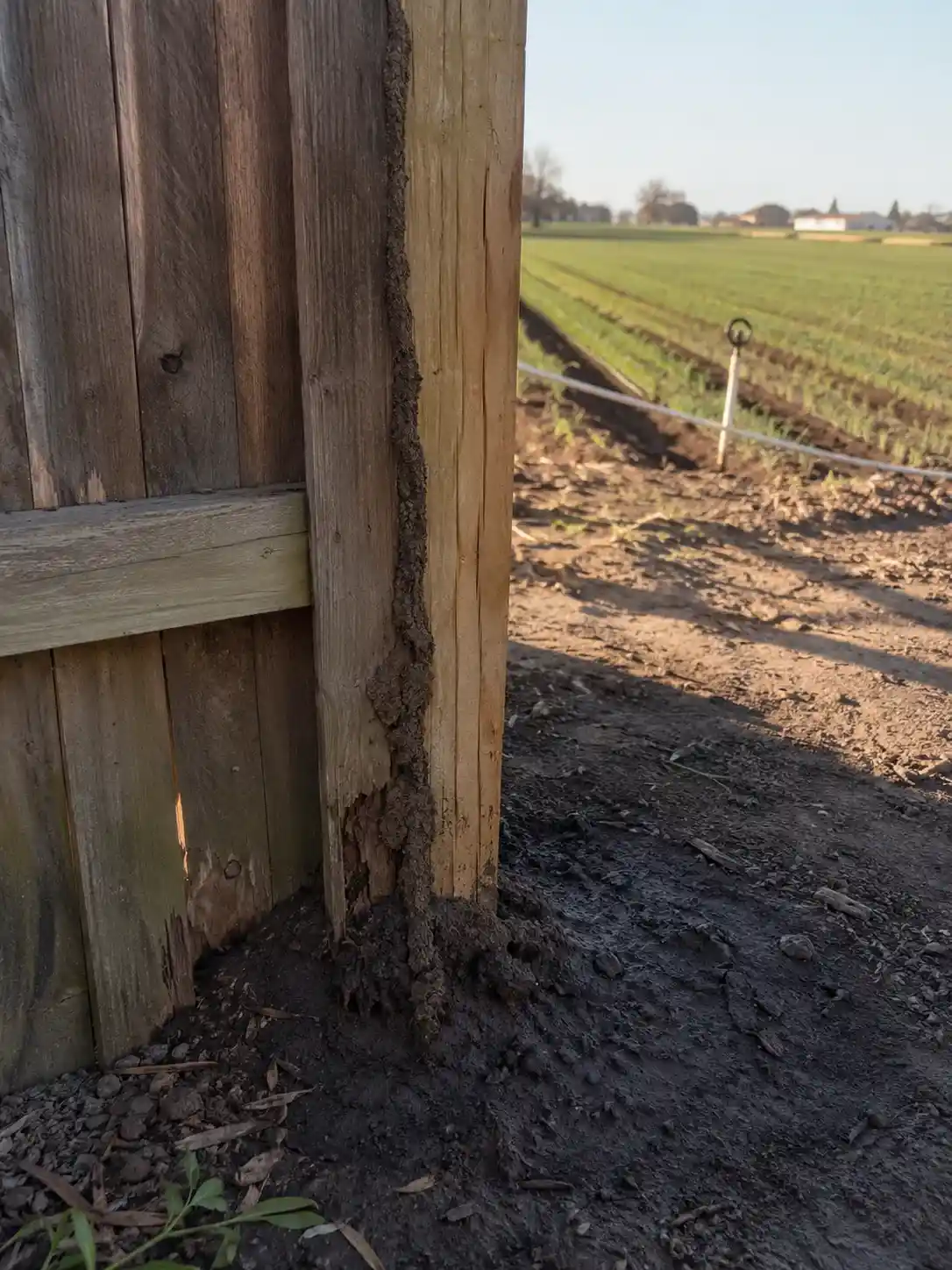
Termite Control Across Davis and the Surrounding Sacramento Region
We serve Davis-95616 and 17 cities throughout the Sacramento Valley. Every location receives the same licensed inspection standards and species-matched treatments.
Sacramento · Elk Grove · Roseville · Folsom · Citrus Heights · Rancho Cordova · Carmichael · Fair Oaks · Rocklin · West Sacramento · Natomas · Galt · Woodland · Lincoln · Antelope · Orangevale · Auburn