
· Rocklin, CA – Zone 1 · Granite Quarry Terrain
Termite Control in Rocklin, CA –
Catch It Early. Avoid More.
Rocklin’s history as a granite quarry town shaped its terrain into a patchwork of exposed granite outcroppings, decomposed granite soil pockets, and engineered fill used to grade large master-planned communities like Whitney Ranch and Stanford Ranch, creating termite conditions that vary block by block depending on what lies beneath the foundation. Our licensed technicians have served Rocklin since 2010 with free same-day inspections and a written warranty on every treatment.
Open Today
15+
Years of Treating Termites
4.9★
Google Rating
24/7
Emergency Service
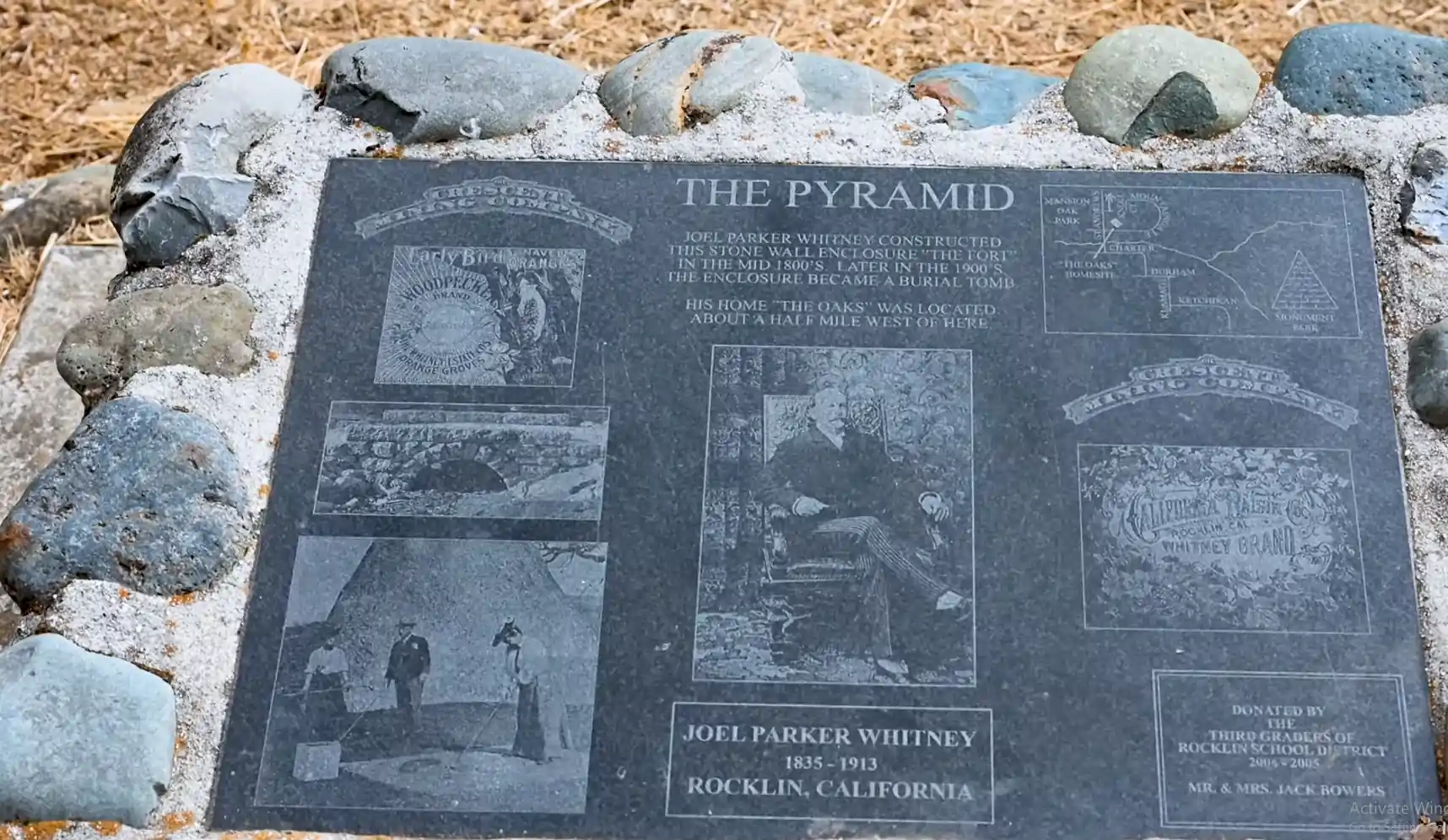
Licensed Termite Control in Rocklin for Quarry Terrain, Engineered Fill Subdivisions, and Every Termite Species
Rocklin’s identity as a 19th-century granite quarry town left a permanent mark on the soil beneath its modern subdivisions. Large sections of the city sit on natural decomposed granite and exposed bedrock outcroppings, while major residential developments including Whitney Ranch, Stanford Ranch, and the areas around Sierra College Boulevard were built on engineered fill brought in to level quarry-scarred terrain for construction. This means two homes a few hundred yards apart can sit on completely different soil profiles, with correspondingly different termite risk.
Every Rocklin engagement begins with a professional termite inspection using acoustic emission devices and thermal imaging to identify which soil condition applies to a given property and locate active colonies before any treatment is recommended. Properties on natural decomposed granite or near exposed bedrock typically face primarily drywood termite pressure, addressed through targeted spot injection for isolated attic colonies or whole-structure fumigation for widespread infestations. Properties on engineered fill in Whitney Ranch, Stanford Ranch, and similar developments often retain more moisture than the surrounding natural terrain, creating localized subterranean termite conditions addressed through liquid barrier applications calibrated to the fill composition rather than native soil.
For Formosan subterranean termite cases, multi-method treatment combining liquid barriers and bait stations with extended monitoring is applied wherever fill soil conditions are capable of sustaining larger colonies. Rocklin homeowners in Whitney Ranch and Stanford Ranch communities built between 1995 and 2010 with original pre-construction barriers now approaching or past effective lifespan benefit from annual termite bonds covering inspection, barrier refresh, and retreatment guarantees. New construction in Rocklin’s expanding northern corridors receives pre-construction soil and framing treatment with full HUD-NPMA documentation for FHA and VA financed projects. Where termite damage has occurred, we coordinate licensed contractor repairs with Sacramento and Placer County building permits handled for all structural work.
Why Rocklin’s Quarry Geology Creates Termite Risk
Rocklin’s unusual geological history as a granite quarry town means termite risk in this city cannot be assessed by neighborhood alone. Soil composition varies dramatically depending on whether a property sits on natural granite terrain or engineered fill. These four problem patterns define what our technicians find most consistently across Rocklin properties.
Engineered Fill in Master-Planned Communities Retains Unexpected Moisture
WHY IT HAPPENS HERE
Whitney Ranch, Stanford Ranch, and similar Rocklin developments were built on engineered fill brought in to level quarry-scarred and uneven natural terrain. Fill material often has different drainage characteristics than the surrounding native decomposed granite, sometimes retaining moisture in pockets that create localized subterranean termite conditions in areas that appear, on the surface, identical to lower-risk natural terrain.
OUR APPROACH
We do not assume soil conditions based on subdivision name alone. Moisture meter readings at the foundation perimeter during inspection identify whether a specific Rocklin property sits on moisture-retentive fill or well-draining natural decomposed granite, and treatment recommendations follow the actual soil condition found.
Exposed Granite Outcroppings Create Foundation Access Gaps
WHY IT HAPPENS HERE
Properties built near or on exposed granite bedrock, common throughout older Rocklin neighborhoods near the historic quarry district, sometimes have foundations that do not achieve a uniform seal against the rock surface. Gaps between concrete foundation elements and irregular granite bedrock create access points that standard perimeter barriers applied to typical soil conditions do not address.
OUR APPROACH
Properties near exposed granite outcroppings receive a foundation gap assessment as part of inspection. Where bedrock-to-foundation gaps are identified, treatment includes targeted sealing and localized termiticide application at these specific access points in addition to standard perimeter treatment.
Sierra College Boulevard Corridor Mixed-Age Construction Creates Inconsistent Protection Levels
WHY IT HAPPENS HERE
The Sierra College Boulevard corridor contains a mix of older Rocklin homes from before the city’s 1990s growth boom alongside newer infill construction built to current code. Adjacent properties on the same street can have dramatically different termite protection status, with older homes carrying no original barrier and newer infill carrying a barrier that is still within its effective lifespan.
OUR APPROACH
We do not apply a corridor-wide assumption to Sierra College Boulevard area properties. Each property’s construction date and treatment history, where available, determines whether a full perimeter installation or a barrier assessment and potential refresh is the appropriate starting point.
Quarry District Drainage Patterns Direct Water Toward Specific Properties
WHY IT HAPPENS HERE
The historic quarry excavation altered natural drainage patterns across parts of Rocklin, creating low points and water concentration areas that did not exist before quarrying began. Properties situated at these altered drainage points can experience higher localized soil moisture than neighboring properties at slightly different elevations, even within communities built on similar fill material.
OUR APPROACH
During inspection we assess each property’s position relative to visible drainage patterns and any history of water pooling near the foundation. Properties at identified low points receive treatment calibrated for elevated moisture conditions regardless of what the broader subdivision’s typical soil profile would suggest.
Rocklin Termite Activity Across Every Season
Rocklin’s mixed quarry terrain and engineered fill mean seasonal termite patterns vary by property more than in communities with uniform soil conditions. Both natural granite terrain and fill-based subdivisions experience activity, but the timing and species involved can differ.
Spring (March – May)
Properties on engineered fill in Whitney Ranch and Stanford Ranch reach subterranean swarming conditions as fill soil warms through March and April, while drywood swarmers emerge from established colonies in older Rocklin neighborhoods near the quarry district as oak and landscape tree activity increases with spring temperatures.
TIP: If you are unsure whether your Rocklin property sits on engineered fill or natural granite terrain, a spring inspection is the time to find out. Subterranean activity, if present, is most visible in spring as swarmers emerge and mud tube construction accelerates with warming fill soil temperatures.
Summer (June – September)
Rocklin’s summer heat triggers drywood termite swarming across the city from late July through September, affecting both natural granite terrain properties and fill-based subdivisions equally, while subterranean activity in moisture-retentive fill pockets continues at a reduced but persistent rate through the dry season.
TIP: Attic inspection during summer is valuable for all Rocklin properties regardless of soil type, since drywood swarming affects fill-based and natural terrain homes equally. Properties on natural granite terrain that show no subterranean activity should still prioritize summer attic checks.
Fall (October – November)
Cooling temperatures close the drywood swarming window while the first autumn rains begin testing each Rocklin property’s actual drainage characteristics, often revealing for the first time whether a given fill-based property retains water near the foundation or drains effectively.
TIP: Fall is an informative time for Rocklin homeowners to observe how water behaves around their foundation after the first significant rain. Standing water or slow-draining areas near the foundation after rain indicate fill drainage characteristics that warrant a moisture-focused inspection before winter subterranean activity peaks.
Winter (December – February)
Winter rains fully test Rocklin’s varied soil and fill conditions, with moisture-retentive fill pockets in master-planned communities sustaining subterranean termite mud tube construction throughout the wet season while well-draining natural granite terrain properties remain comparatively dry even during heavy rain events.
TIP: Walk your foundation perimeter after heavy rain events from December through February regardless of which Rocklin community you live in. New mud tube construction on fill-based properties is most visible during this period, while natural granite terrain properties showing no subterranean activity even in winter can reasonably prioritize drywood-focused monitoring instead.
Termite Control Services Available in Rocklin
- Termite Inspection Same-day and next-day availability across Rocklin’s varied terrain. Acoustic emission detection and thermal imaging identify whether engineered fill or natural granite soil applies to your property before any treatment recommendation.
- Termite Treatment Species-matched treatment for Rocklin’s quarry terrain and fill subdivisions. Treatment is based on actual soil conditions found at your property, not assumptions based on subdivision or neighborhood.
- Subterranean Termite Control Liquid barriers and bait stations calibrated for Rocklin’s engineered fill subdivisions where moisture retention creates localized subterranean conditions not present in surrounding natural granite terrain.
- Drywood Termite Control Spot treatment for isolated colonies or whole-structure fumigation for widespread infestations. Drywood pressure affects Rocklin properties on both natural granite terrain and engineered fill equally during summer swarming.
- Formosan Termite Control Multi-method treatment for the most destructive subterranean species in the Sacramento region. Confirmed Formosan infestations in Rocklin’s moisture-retentive fill areas require immediate aggressive action.
- Tent Fumigation Whole-structure elimination for severe drywood infestations across Rocklin homes regardless of soil type. Complete in 48 hours with full clearance certification before re-entry.
- No-Tent Spot Treatment Targeted termiticide injection for isolated drywood colonies in attic framing and wall cavities. No evacuation required. Effective for early-stage infestations across Rocklin’s master-planned and older neighborhoods alike.
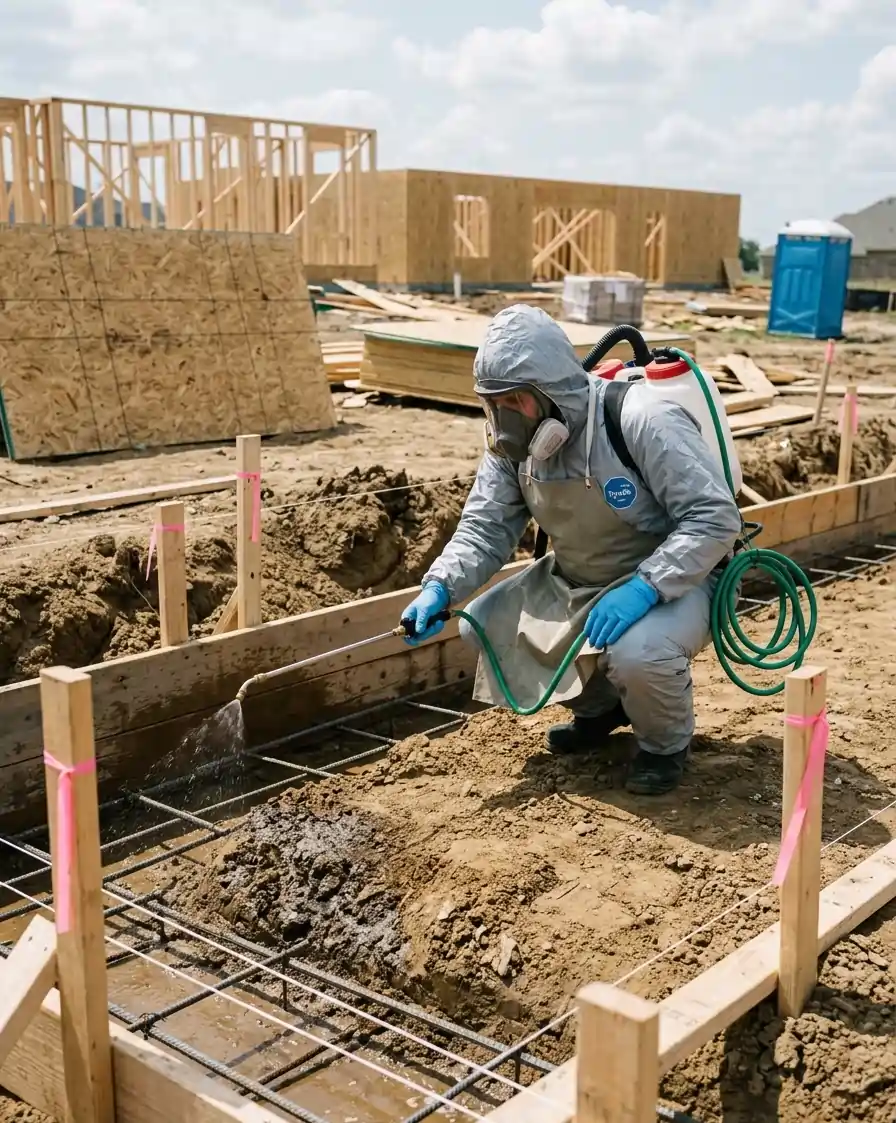
- Pre-Construction Termite Treatment Soil and framing treatment for new construction in Rocklin’s expanding northern corridors. Engineered fill conditions are assessed before treatment to determine appropriate barrier specifications. HUD-NPMA-99A and 99B documentation for FHA and VA financed projects.
- Termite Damage Repair Structural and cosmetic repair coordination after treatment is confirmed complete. Building permits handled through Placer County and the City of Rocklin for all structural work.
Termite Control Across Rocklin and the Surrounding Sacramento Region
We serve Rocklin-95765 and 20 cities throughout the Sacramento Valley. Every location receives the same licensed inspection standards and species-matched treatments.
Sacramento · Elk Grove · Roseville · Folsom · Citrus Heights · Rancho Cordova · Carmichael · Fair Oaks · Davis · West Sacramento · Natomas · Galt · Woodland · Lincoln · Antelope · Orangevale · Auburn · Florin · Arden-Arcade · North Highlands