Permanent Ways to Get Rid of Termites in Your Lawn or Garden
Termites living in soil, mulch, or garden beds aren’t just a yard problem, they’re often the same subterranean colony that can eventually reach your home. Here’s an honest look at what garden-level treatments can and can’t achieve on their own.
Rocklin, Davis, West Sacramento, and Natomas Yards Deal With This More Than People Expect
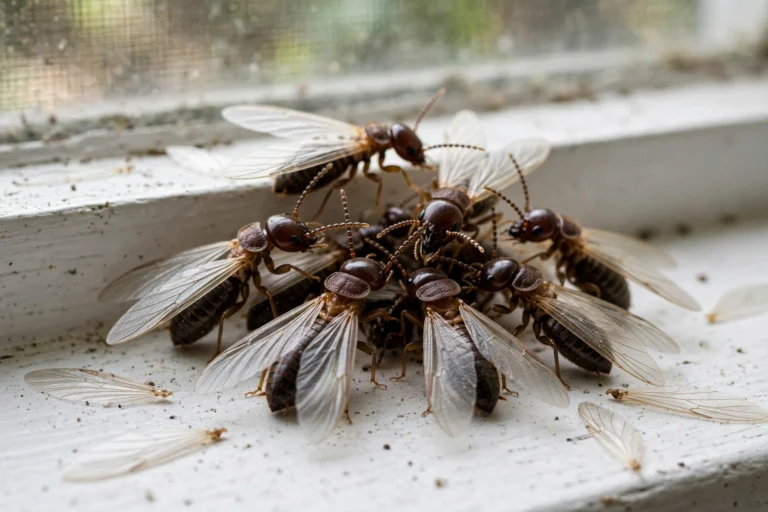
Subterranean termites live in soil, not just in wood, which is why they show up in mulch beds, near tree stumps, and along irrigation lines long before anyone notices activity indoors. A colony in the yard isn’t automatically in the house yet, but soil-dwelling termites are the same species that build the mud tubes that eventually reach a foundation.
Beneficial nematodes are the most commonly cited “natural” option for soil termites, and they do have some research support, but they need specific moisture and temperature conditions to survive and work, which makes outdoor results inconsistent in practice. Removing wood-to-soil contact, old stumps, mulch piled against the foundation, and excess irrigation near the structure reduces what draws a colony toward the house in the first place, but it doesn’t eliminate an existing colony living in the soil.
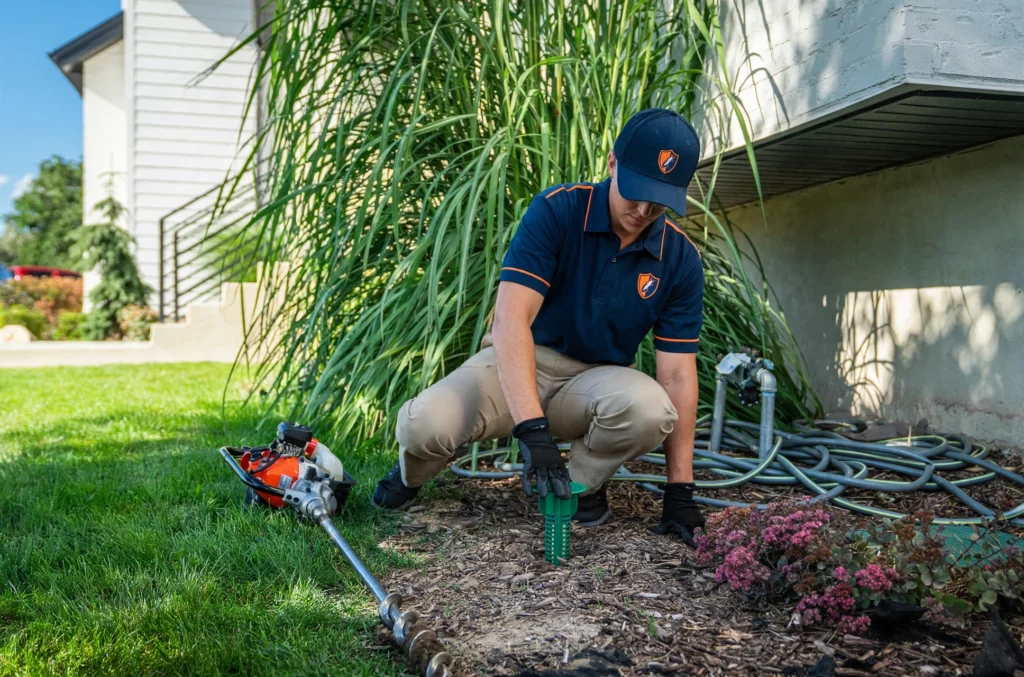
There isn’t a reliable, truly permanent DIY fix for a soil-based colony, because the nest itself is usually impossible for a homeowner to locate or reach. A professional soil treatment creates a continuous barrier that either kills termites attempting to cross it or, with a bait system, gets carried back to the colony by the workers themselves.
At Sacto Termite Control Company, we handle exactly this kind of yard-to-structure exposure for Rocklin, Davis, West Sacramento, and Natomas properties, where mature landscaping and mulch beds are common.
Our subterranean termite control service treats the soil around your home’s perimeter directly, which is the only approach that reliably interrupts a colony living in the ground rather than just discouraging it.
What You Can Do Yourself, and Where It Stops Being Enough
Clearing wood-to-soil contact points, relocating mulch away from the foundation, fixing irrigation that keeps soil consistently damp near the house, and removing old stumps are all genuinely useful prevention steps anyone can do. What they can’t do is confirm whether a colony is already established nearby or reach one that already is.
A termite inspection can confirm whether yard-level activity has already reached the structure, and our subterranean termite control and termite bond programs handle the ongoing soil-level monitoring that yard cleanup alone can’t provide.
Frequent Questions About Termites in Lawns and Gardens
Real questions homeowners ask about soil-dwelling termites in the yard.
Not reliably. Soil-dwelling colonies are usually impossible for a homeowner to locate, so yard cleanup reduces risk but doesn’t eliminate an established colony.
There’s some research support, but nematodes need specific moisture and temperature conditions to survive outdoors, which makes results inconsistent in real yard conditions.
Not necessarily. It means a colony is active nearby and has a path toward the structure. A termite inspection can confirm whether it’s already reached the house.
A professional soil treatment around the foundation’s perimeter is the most reliable way to interrupt that path, since it targets the colony rather than just removing what attracts it.