
· Carmichael, CA – Zone 1 · River Parkway Edge
Termite Treatment in Carmichael, CA – Your Home Deserves Better.
Carmichael’s mature residential neighborhoods along the American River Parkway combine some of Sacramento County’s oldest unincorporated housing stock with clay-heavy soils and a dense oak and riparian tree canopy that sustains both subterranean and drywood termite populations year-round. Our licensed technicians have served Carmichael since 2010 with free same-day inspections and a written warranty on every treatment.
Open Today
15+
Years of Treating Termites
4.9★
Google Rating
24/7
Emergency Service
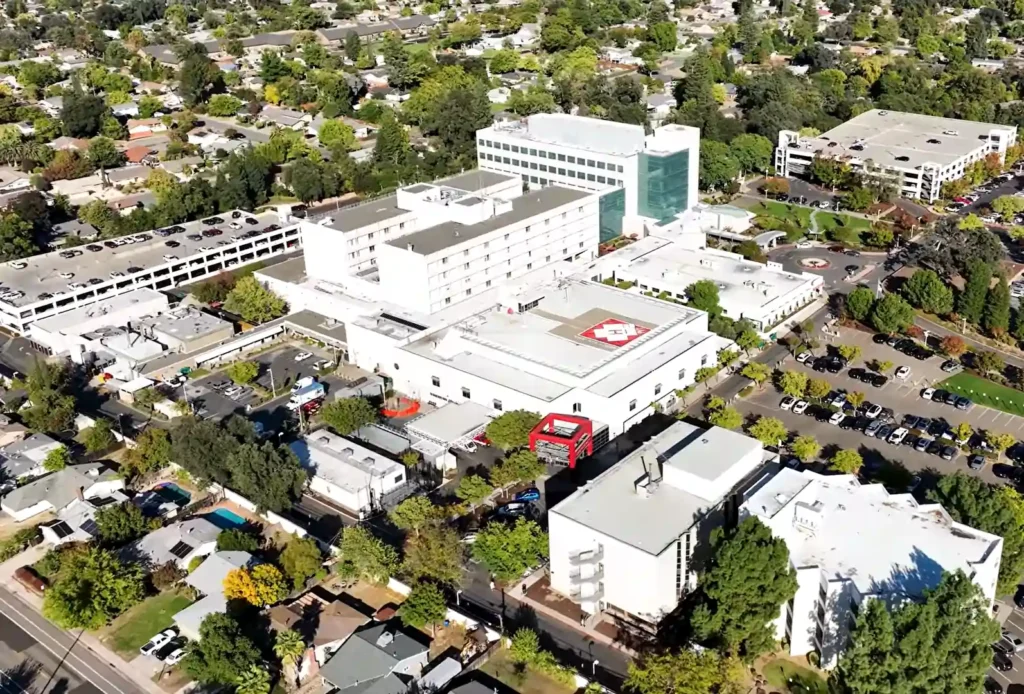
Licensed Termite Prevention in Carmichael for Mature Neighborhoods, River Corridor Properties, and Every Termite Species
Carmichael is one of Sacramento County’s oldest unincorporated communities, developed primarily between the 1940s and 1970s along winding roads that follow the American River’s natural topography. This development pattern produced neighborhoods with irregular lot orientations, mature oak and sycamore tree canopies, and homes built directly into clay-heavy hillside and flat terrain without modern termite protection. The American River Parkway running along Carmichael’s northern edge creates a sustained moisture corridor that supports large subterranean termite colonies in riparian soils adjacent to some of the area’s most desirable residential streets.
Every Carmichael engagement begins with a professional termite inspection using acoustic emission devices and thermal imaging to identify active species and locate colonies inside older wall systems and attic assemblies before any treatment decision is made. Subterranean termites in Carmichael’s clay soils and river-adjacent riparian zones are addressed through liquid barrier applications calibrated for both the flat terrain clay and the sloped lot conditions common throughout the community. Drywood termites colonizing Carmichael attics through aging roof vents, deteriorated fascia boards, and tree canopy contact points are resolved through targeted spot injection for isolated colonies or whole-structure fumigation when infestation extends across multiple structural zones.
For Formosan subterranean termite cases, multi-method treatment combining liquid barriers and bait stations is applied with extended monitoring given the Carmichael river corridor’s capacity to sustain large colony populations year-round. Carmichael homeowners in older properties with no prior treatment history benefit from annual termite bonds that provide ongoing inspection, barrier maintenance, and retreatment guarantees. Where termite damage has compromised structural framing or cosmetic elements in Carmichael’s older homes, we coordinate licensed contractor repairs with Sacramento County building permits handled for all structural work.
Why Carmichael’s Mature Neighborhoods Face Termite Pressures
Carmichael’s age, tree canopy, river proximity, and organic suburban character create termite risk conditions that differ meaningfully from younger Sacramento County communities. These four problem patterns define what our technicians encounter most consistently across Carmichael properties.
Mature Oak and Riparian Trees Provide Direct Swarmer Access to Homes
WHY IT HAPPENS HERE
Carmichael’s dense canopy of mature valley oaks, sycamores, and riparian trees overhangs rooflines throughout the community. Drywood termite swarmers disperse from infested tree wood directly onto roof surfaces, entering through attic vents, deteriorated fascia boards, and gaps where branches contact roof assemblies. The canopy density in Carmichael exceeds most other Sacramento County communities of comparable size.
OUR APPROACH
Tree canopy contact points are documented as part of every Carmichael inspection. We assess fascia board condition, vent screening integrity, and roof surface contact zones systematically before recommending treatment. Addressing entry points alongside active colonies reduces re-infestation risk from the surrounding canopy.
River Parkway Soils Sustain Subterranean Colonies Through Dry Season
WHY IT HAPPENS HERE
The American River Parkway runs along Carmichael’s northern boundary, maintaining elevated soil moisture in adjacent riparian clay throughout the year. Homes on San Ysidro Drive, Walnut Avenue, and Fair Oaks Boulevard corridors closest to the parkway experience year-round subterranean pressure regardless of surface soil conditions in the surrounding neighborhood.
OUR APPROACH
Parkway-adjacent Carmichael properties receive deeper barrier trenching and annual inspection scheduling. Year-round river corridor moisture means new colony establishment can occur in any month, and monitoring continuity is as important as the initial barrier application.
Pre-1970 Homes with Irregular Foundation Configurations
WHY IT HAPPENS HERE
Carmichael’s development along natural topography produced homes with non-standard foundation configurations including split-level construction, partial crawl spaces, and combinations of slab and raised foundation on a single property. These configurations create inspection blind spots and barrier application challenges that standard protocol does not address adequately.
OUR APPROACH
Non-standard foundation configurations in Carmichael require a customized inspection and treatment plan for each property. We document every foundation transition point, identify blind spots, and design barrier applications that account for the full perimeter regardless of elevation changes across the property.
Organic Mulch and Landscaping Practices Accelerate Subterranean Risk
WHY IT HAPPENS HERE
Carmichael’s established residential character and mature landscaping culture means most properties maintain dense organic mulch beds, wood chip ground cover, and stacked firewood within close proximity to the foundation. These materials create direct wood-to-soil contact conditions that attract subterranean termite foraging activity to the foundation perimeter.
OUR APPROACH
During inspection we document all organic material contact with the foundation perimeter. Treatment recommendations include guidance on mulch clearance and firewood storage that reduces the foraging attractant alongside the chemical barrier application. Removing the attractant and applying the barrier together produces better long-term results than barrier alone.
Carmichael Termite Activity Across The Year
Carmichael’s river corridor moisture, mature tree canopy, and older housing stock create year-round termite pressure driven by both environmental moisture and established colony populations in the surrounding riparian landscape.
Spring (March – May)
The American River reaches seasonal high flow from March through May, elevating soil moisture along Carmichael’s river-adjacent residential corridors and triggering subterranean swarming activity in parkway-proximate neighborhoods. Drywood swarmers begin dispersing from canopy-established colonies as afternoon temperatures warm through April and May.
TIP: Carmichael homeowners on San Ysidro Drive, Walnut Avenue, and within two blocks of the American River Parkway should schedule spring inspections before April 15. River corridor subterranean swarming in Carmichael begins earlier than in inland neighborhoods and canopy-based drywood swarming starts simultaneously, creating a dual-species exposure window with no equivalent in less-forested Sacramento communities.
Summer (June – September)
Carmichael’s summer heat triggers peak drywood swarming from late July through September, with the dense neighborhood canopy providing swarmers direct flight paths from infested tree wood to roof surfaces, fascia gaps, and attic vents on adjacent homes.
TIP: Inspect your roofline and fascia boards for signs of deterioration before the August swarming peak. Deteriorated fascia boards and blocked gutters retaining organic debris create ideal drywood termite landing and entry conditions. Addressing these maintenance items before swarming season closes an access vector that treatment alone cannot seal.
Fall (October – November)
Cooling temperatures slow drywood swarming activity as the first autumn rains reactivate subterranean foraging in Carmichael’s clay and riparian soils. Fall is the optimal window for liquid barrier applications across all Carmichael soil types before winter river levels rise.
TIP: Fall mulch management is as important as fall inspection in Carmichael. Refreshing organic mulch beds against the foundation just before the wet season begins creates new wood-to-soil contact precisely when subterranean termite foraging activity is accelerating. Clear mulch from the foundation perimeter before the first significant rain event.
Winter (December – February)
The American River reaches peak seasonal flow from December through February, sustaining maximum soil moisture in Carmichael’s river-adjacent corridors and supporting active subterranean termite mud tube construction on foundation walls throughout the wet season.
TIP: Walk your full foundation perimeter after each heavy rain event from December through February. New mud tube construction is most visible on wet concrete surfaces within 24 hours of rain clearing. Carmichael’s irregular foundation configurations mean checking all foundation faces including side yards and rear foundations that are often overlooked in routine property walkthroughs.
Termite Killing Services Available in Carmichael
- Termite Inspection Same-day and next-day availability across all Carmichael neighborhoods. Non-standard foundation configurations and tree canopy contact points documented as part of every inspection using acoustic emission detection and thermal imaging.
- Termite Treatment Species-matched treatment for Carmichael’s river corridor and mature canopy environment. Split-level and combination foundation homes receive customized barrier design rather than standard perimeter-only application.
- Subterranean Termite Control Liquid barriers and bait stations calibrated for Carmichael’s clay soils and American River Parkway moisture corridor. Barrier depth and application points are adjusted for sloped lots and irregular foundation configurations common throughout Carmichael.
- Drywood Termite Control Spot treatment for isolated colonies or whole-structure fumigation for widespread infestations. Carmichael’s mature tree canopy creates persistent drywood swarmer pressure that makes annual attic inspection essential for homes with roofline tree contact.
- Formosan Termite Control Multi-method treatment for the most destructive subterranean species in the Sacramento region. Carmichael’s American River Parkway soils are capable of sustaining the large colony populations Formosan termites require to establish.
- Tent Fumigation Whole-structure elimination for severe or widespread drywood infestations. Clearance certification issued before re-entry. Carmichael’s older wood-framed homes frequently require fumigation when canopy-fed drywood swarming has produced multiple attic infestations over successive seasons.
- No-Tent Spot Treatment Targeted termiticide injection for isolated drywood colonies without evacuation. Effective for early-stage infestations in accessible attic framing and wall cavities of Carmichael’s older homes.
- Pre-Construction Termite Treatment Soil and framing treatment for new infill construction and additions throughout Carmichael. HUD-NPMA-99A and 99B documentation provided for FHA and VA financed projects through Sacramento County.
- Termite Damage Repair Structural and cosmetic repair coordination after treatment is confirmed complete. Older Carmichael homes commonly require sill plate replacement and floor joist sistering given the combination of age, river moisture, and absence of original termite barriers. Permits handled through Sacramento County.
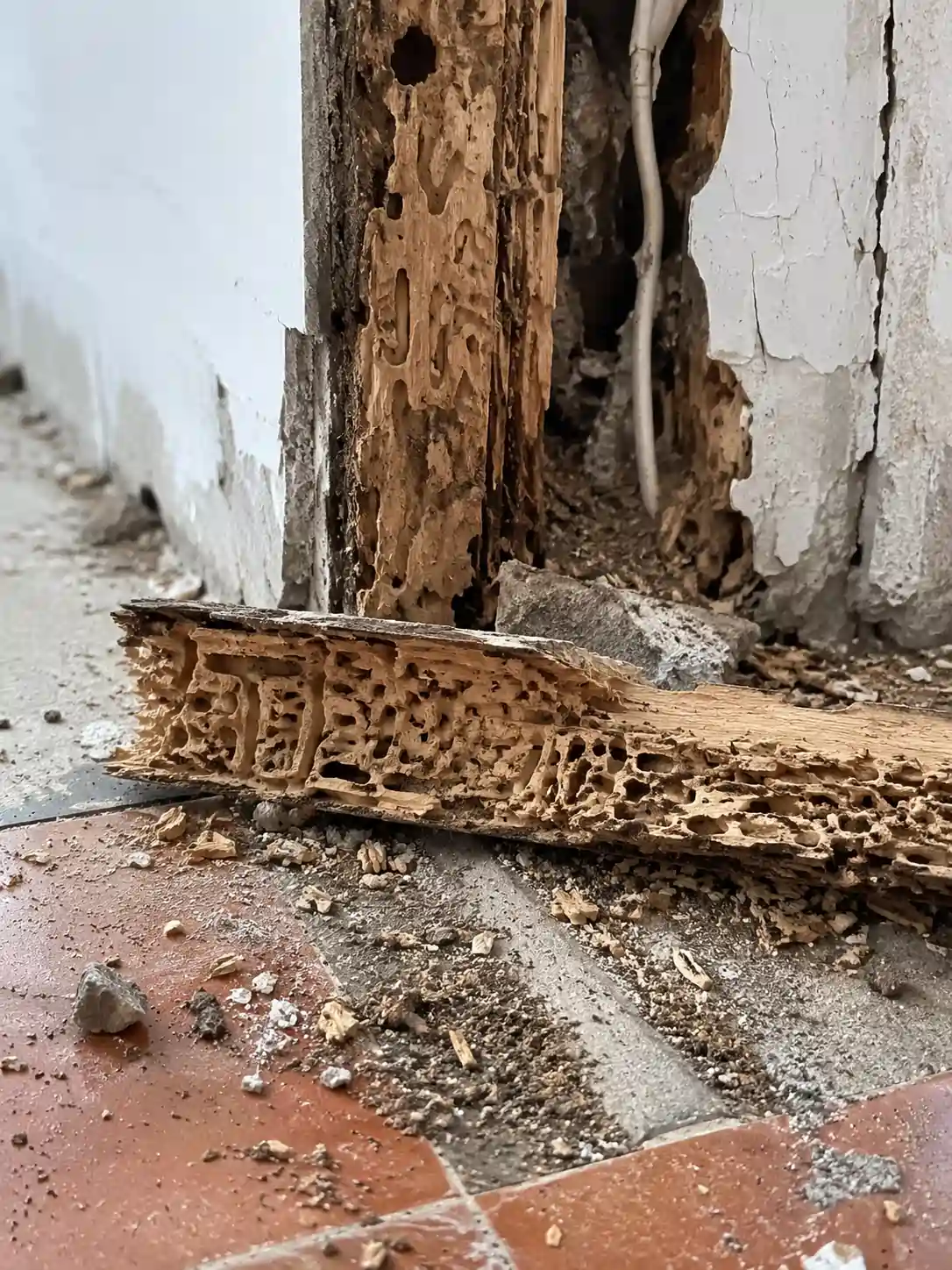
Termite Control Across Carmichael and the Surrounding Sacramento Region
We serve Carmichael-95608 and 17 cities throughout the Sacramento Valley. Every location receives the same licensed inspection standards and species-matched treatments.
Sacramento · Elk Grove · Roseville · Folsom · Citrus Heights · Rancho Cordova · Fair Oaks · Rocklin · Davis · West Sacramento · Natomas · Galt · Woodland · Lincoln · Antelope · Orangevale · Auburn