· Lincoln, CA – Zone 1 · Auburn Ravine Corridor
Termite Control in Lincoln, CA. Protect Every Neighborhood, Old and New.
Lincoln sits in Placer County’s adobe clay belt, where heavy clay soils along the Auburn Ravine corridor swell with winter rain and hold moisture against foundations well into spring. Our licensed technicians have served the Sacramento Valley since 2010 with free same-day inspections and a written warranty on every treatment, from Sun City Lincoln Hills to the historic downtown core.
Open Today
15+
Years of Treating Termites
4.9★
Google Rating
24/7
Emergency Service
Licensed Termite Control in Lincoln for New Construction, Historic Downtown Homes, and Every Termite Species
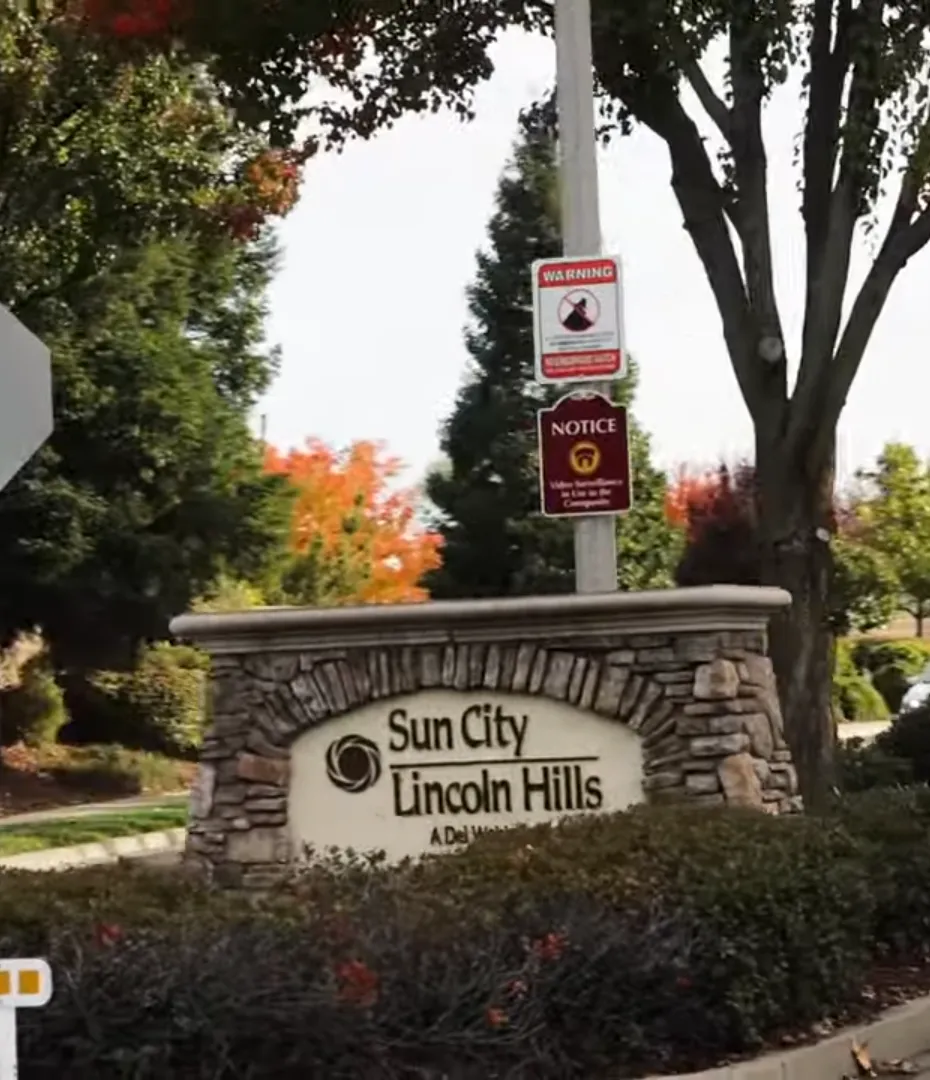
Lincoln is one of the fastest-growing cities in our service area, with large new subdivisions built on Placer County’s adobe clay soil alongside a small historic downtown core that predates the growth by a century. The soil across Lincoln is dominated by adobe clay, a heavy, poorly-draining clay type different from the standard Sacramento alluvial clay found in most of our service area. Adobe clay swells when saturated by winter rain and cracks deeply when it dries, creating direct pathways for subterranean termites to travel from soil to foundation.
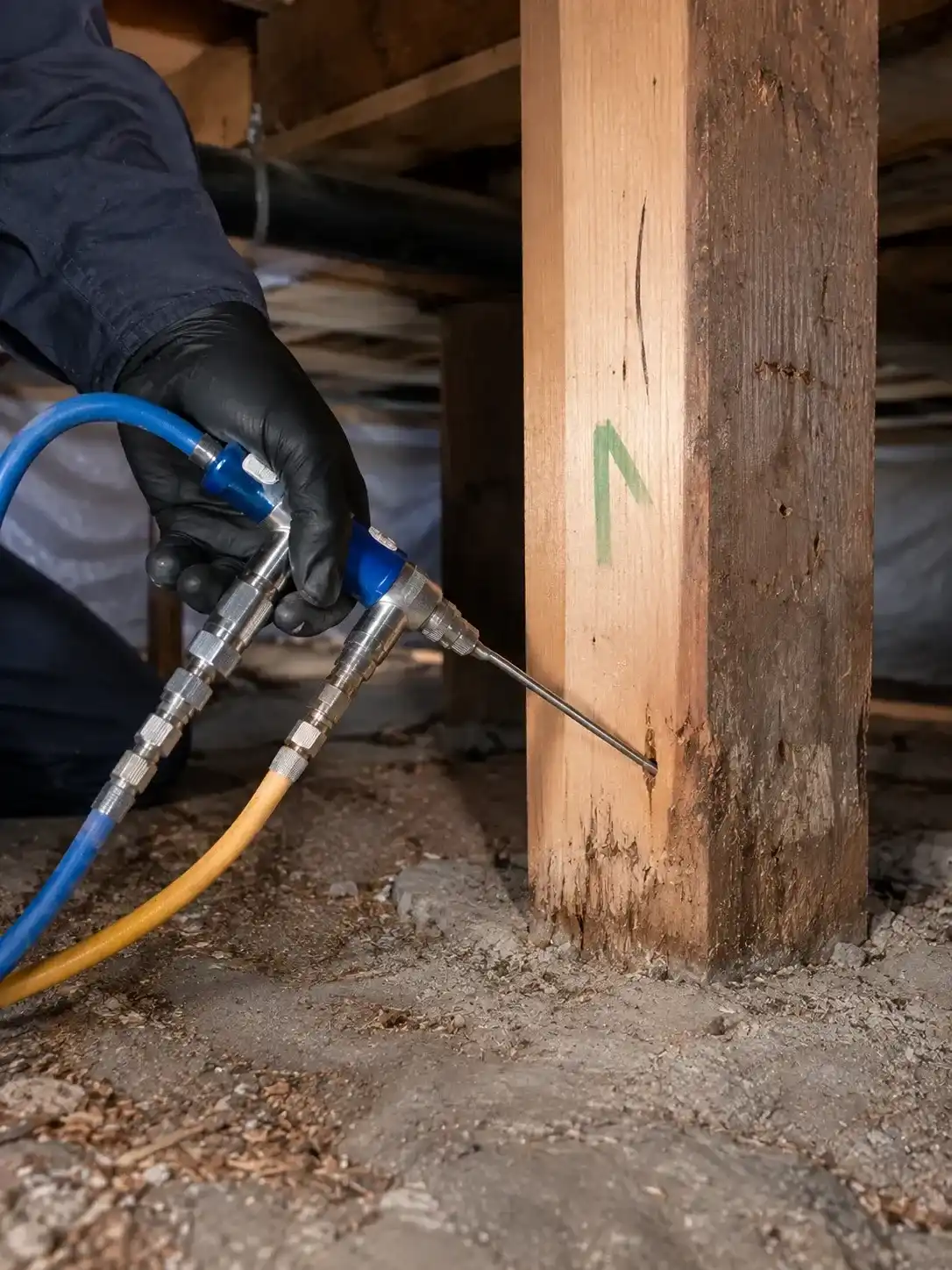
Every Lincoln engagement begins with a professional termite inspection using acoustic emission devices and thermal imaging to locate active colonies in both Sun City Lincoln Hills and Lincoln Crossing homes built in the 2000s and the historic wood-frame buildings of downtown Lincoln. Subterranean termites in Lincoln’s adobe clay and along the Auburn Ravine corridor are addressed through liquid barrier applications calibrated for adobe clay’s swell-and-crack cycle, where standard residential barrier specifications can underperform during the driest months. Drywood termites entering older downtown Lincoln buildings through deteriorated roof vents and fascia boards are resolved through targeted spot injection for isolated colonies or whole-structure fumigation when infestation extends across multiple structural zones.
For Formosan subterranean termite cases in Lincoln, multi-method treatment combining liquid barriers and bait stations with extended monitoring is applied given the colony populations adobe clay can sustain. Lincoln homeowners in Sun City Lincoln Hills, Lincoln Crossing, and Twelve Bridges whose homes are now 15 to 20 years past their original pre-construction treatment benefit most from annual termite bonds covering inspection, barrier maintenance, and retreatment guarantees at a predictable annual cost. For repairing termite damage, we coordinate licensed contractor with Placer County building permits handled for all structural work.
Why Lincoln’s Adobe Clay Soil Creates Termite Conditions Unique in Placer County
Lincoln’s position across two distinct soil zones, its fast pace of new construction, and its aging downtown core combine to create termite risk conditions that differ from every other city in our service area. These four problem patterns define what our technicians find most consistently across Lincoln properties.
Adobe Clay Soil Behaves Differently Than the Sacramento Valley Norm
WHY IT HAPPENS HERE
Lincoln sits at the edge of the Sacramento Valley where the soil transitions from standard alluvial clay to Placer County’s heavier adobe clay. Adobe clay has a wider shrink-swell range than the clay found across most of our service area, meaning it expands more when saturated by winter rain and cracks more deeply when it dries out each summer. Those seasonal cracks create direct underground pathways that give subterranean termites easier access to slab edges and foundation walls than standard Sacramento clay allows.
OUR APPROACH
We apply liquid barriers in Lincoln at specifications adjusted for adobe clay’s wider shrink-swell range, including deeper trenching along foundation perimeters where seasonal cracking is most severe. Standard residential barrier depth calibrated for Sacramento alluvial clay can leave gaps once adobe clay contracts, so we treat to the wider tolerance this soil type requires.
Large New Subdivisions Sit on Undisturbed Native Adobe Clay
WHY IT HAPPENS HERE
Lincoln has been one of the fastest-growing cities in our service area for two decades, with entire subdivisions like Sun City Lincoln Hills, Lincoln Crossing, and Twelve Bridges built on native adobe clay that had no prior agricultural or urban development history. New construction termite pre-treatment protects the slab at the time of the pour, but pre-treatment barriers degrade over 10 to 15 years, and many of Lincoln’s oldest new-construction neighborhoods are now old enough that their original barrier has begun to break down.
OUR APPROACH
For Lincoln subdivisions approaching or past the 10 to 15 year mark since original construction, we recommend a full inspection to confirm whether the original pre-treatment barrier is still intact before symptoms appear. Where the barrier has degraded, we apply a supplemental liquid barrier calibrated to adobe clay rather than waiting for visible damage to surface.
Auburn Ravine Corridor Adds Year-Round Moisture to Slow-Draining Clay
WHY IT HAPPENS HERE
Auburn Ravine runs through the center of Lincoln, and properties along its corridor sit closer to a consistent water source than homes elsewhere in the city. Combined with adobe clay’s slow drainage, this keeps soil moisture elevated near the creek corridor even during Sacramento Valley’s dry summer months, extending the active foraging season for subterranean termites beyond what drier parts of Lincoln experience.
OUR APPROACH
Properties within the Auburn Ravine corridor receive moisture-adjusted barrier treatment and, where appropriate, bait station placement calibrated for a longer active foraging season than standard Lincoln properties experience. We factor creek proximity into our inspection recommendations for every home in this corridor.
Historic Downtown Lincoln Homes Predate Modern Treatment Standards
WHY IT HAPPENS HERE
Downtown Lincoln’s historic core includes wood-frame homes built well before pre-construction termite treatment became standard practice, some dating to the city’s original railroad-era development. These structures have often gone decades without a professional inspection, and their original wood-to-soil clearances and foundation details do not meet the standards used in Lincoln’s newer subdivisions.
OUR APPROACH
For historic downtown Lincoln properties, we begin with a full structural inspection to document existing damage and identify soil-to-wood contact points specific to the home’s original construction. Treatment plans for these homes combine liquid barrier application with targeted repairs to close the clearance gaps that put older construction at greater risk.
Lincoln Termite Activity Across Every Season
Lincoln’s dual character as a fast-growing subdivision city and a historic agricultural town creates a termite activity cycle that follows both construction-age patterns and seasonal weather, making Lincoln’s seasonal risk profile distinct from established Sacramento Valley communities.
Spring (March – May)
Spring rains saturate Lincoln’s adobe clay across both the newer subdivisions and the historic downtown core, while Auburn Ravine’s flow adds sustained moisture along its corridor. This combination of slow-draining clay and creek proximity creates the year’s most active subterranean termite foraging period, with swarms typically appearing in Sun City Lincoln Hills and Lincoln Crossing as temperatures warm.
TIP: Lincoln homeowners near the Auburn Ravine corridor or in subdivisions approaching the 10 to 15 year mark since original construction should schedule spring inspections before April. Spring saturation combined with an aging pre-treatment barrier creates the year’s highest risk window.
Summer (June – September)
Adobe clay’s summer drying and cracking opens direct underground pathways to slab edges and foundation walls across Lincoln, while drywood termite swarmers target historic downtown Lincoln’s older wood-frame buildings through deteriorated roof vents and fascia gaps from late July through September.
TIP: Do not assume reduced termite risk in Lincoln once the ground looks dry. Adobe clay’s deep summer cracking is exactly when subterranean termites gain new access points. Summer inspections for downtown Lincoln’s historic properties are as important as spring inspections for the subdivisions.
Fall (October – November)
As irrigation slows across Lincoln’s subdivisions and adobe clay begins to dry, colonies displaced by summer conditions seek out remaining moisture near foundations and irrigated landscaping, particularly in yards with drip irrigation or plantings close to the slab edge.
TIP: If you notice increased termite activity in fall, the drying adobe clay driving colonies toward remaining moisture is a likely cause. Schedule a fall inspection before November to catch new mud tube construction before displaced colonies establish footholds at your foundation.
Winter (December – February)
Lincoln’s adobe clay absorbs winter rainfall rapidly and drains slowly, reaching full saturation earlier than the sandier soils found elsewhere in Placer County. Combined with Auburn Ravine’s winter flow, properties along the corridor experience maximum annual soil moisture from December through February with sustained subterranean activity throughout.
TIP: Check your full foundation perimeter after each significant rain event from December through February. Adobe clay reaches saturation faster than most homeowners expect after major storms, and new mud tube construction on saturated foundation surfaces appears quickly after rain clears.
Termite Control Services Available in Lincoln
- Termite Treatment Species-matched treatment calibrated for Lincoln’s adobe clay. Standard Sacramento Valley barrier specifications are adjusted for adobe clay’s wider shrink-swell range and deeper seasonal cracking.
- Subterranean Termite Control Liquid barriers and bait stations applied at specifications for Lincoln’s adobe clay and Auburn Ravine corridor moisture. Barrier depth is adjusted for the wider shrink-swell range adobe clay requires.
- Drywood Termite Control Spot treatment for isolated colonies or whole-structure fumigation for widespread infestations in historic downtown Lincoln homes. Deteriorated roof vents and aging fascia boards on downtown properties are assessed as priority entry points.
- Formosan Termite Control Multi-method treatment for the most destructive subterranean species in the Sacramento region. Lincoln’s adobe clay is capable of sustaining the large colony populations Formosan termites require to establish and cause rapid structural damage.
- Tent Fumigation Whole-structure elimination for severe drywood infestations across Lincoln homes. Complete in 48 hours with full clearance certification before re-entry. Most appropriate for historic downtown Lincoln properties where multiple drywood colonies are confirmed across attic and wall systems.
- No-Tent Spot Treatment Targeted termiticide injection for isolated drywood colonies without evacuation or disruption. Practical for Lincoln homeowners with early-stage drywood infestations in accessible attic or wall cavity zones.
- Termite Damage Repair Structural and cosmetic repair coordination after treatment is confirmed complete. Historic downtown Lincoln homes commonly require sill plate replacement alongside floor joist sistering given age and soil contact conditions. Permits handled through Placer County.
- Pre-Construction Termite Treatment Soil and framing treatment for new construction in Galt’s developing residential corridors. Agricultural clay soil conditions require adjusted depth and volume specifications for effective pre-construction barriers. HUD-NPMA-99A and 99B documentation for FHA and VA financed projects through Sacramento County.
- Termite Damage Repair Structural and cosmetic repair coordination after treatment is confirmed complete. Older downtown Galt homes commonly require sill plate replacement alongside floor joist sistering given age and soil contact conditions. Permits handled through Sacramento County.
Termite Control Across Lincoln and the Surrounding Sacramento Region
We are professionally serving Lincoln-95648 and 20 cities throughout the Sacramento Valley. Every location receives the same licensed inspection standards and species-matched treatments.
Sacramento · Elk Grove · Roseville · Folsom · Citrus Heights · Rancho Cordova · Carmichael · Fair Oaks · Rocklin · Davis · West Sacramento · Natomas · Galt · Woodland · Antelope · Orangevale · Auburn · Florin · Arden-Arcade · North Highlands