· West Sacramento – Zone 1 · River Waterfront
Get Termite Inspected in West Sacramento, CA Before the Damage Runs Deeper.
West Sacramento sits directly on the Sacramento River’s west bank in Yolo County, where riverside moisture, Yolo County clay soils, and the aging residential stock of historic Broderick and Bryte neighborhoods create year-round termite pressure across both the city’s waterfront corridor and its expanding inland subdivisions. Our licensed technicians have served West Sacramento since 2010 with free same-day inspections and a written warranty after termite removal.
Open Today
15+
Years of Treating Termites
4.9★
Google Rating
24/7
Emergency Service
Licensed Termite Control in West Sacramento for Waterfront Properties, Historic Neighborhoods, and Industrial Facilities
West Sacramento’s position directly on the Sacramento River’s west bank gives it one of the most moisture-sustained termite environments in the region. The river maintains elevated soil moisture in Yolo County clay along the entire waterfront corridor year-round, sustaining subterranean termite colonies that do not follow the seasonal activity patterns of inland communities. Combined with the aging residential stock of Broderick and Bryte, two of the oldest working-class neighborhoods in the Sacramento area, West Sacramento carries structural termite vulnerability that most newer suburbs do not have.
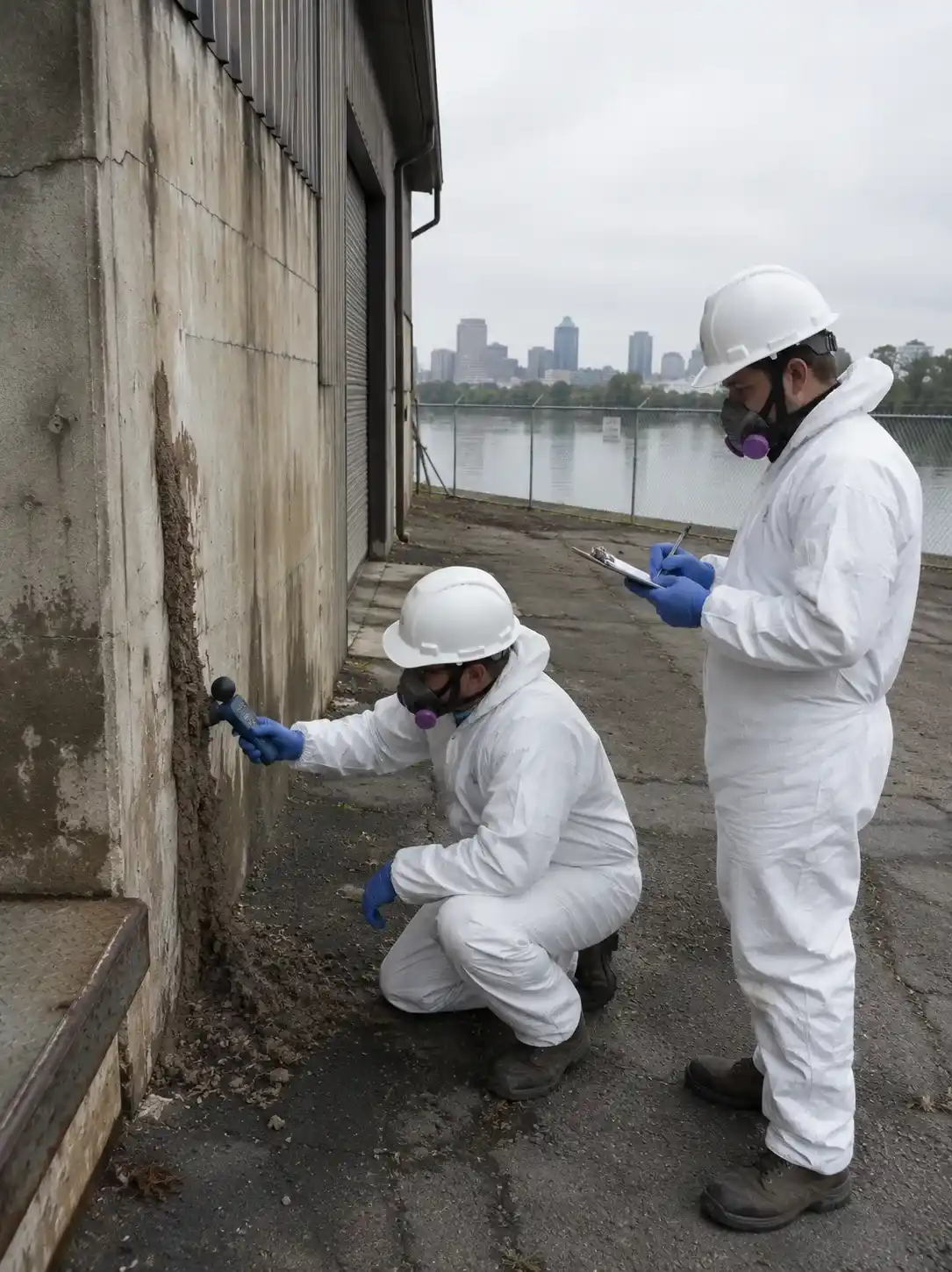
Every West Sacramento engagement begins with a professional termite inspection using acoustic emission devices and thermal imaging to locate active colonies in both residential and commercial structural assemblies before treatment is recommended. Subterranean termites in West Sacramento’s river-adjacent Yolo County clay soils are addressed through liquid barriers applied at depths calibrated for the sustained riverside moisture conditions, where standard inland application depth is insufficient. Drywood termites colonizing the older wood-framed homes in Broderick and Bryte through aging attic vents and deteriorated fascia boards during summer swarming are resolved through targeted spot injection for isolated colonies or whole-structure fumigation for infestations spanning multiple zones.
Formosan subterranean termite cases in West Sacramento’s river corridor are treated with multi-method protocols combining liquid barriers and bait stations with extended monitoring. West Sacramento homeowners in older neighborhoods with no prior treatment history benefit most from annual termite bonds covering inspection, barrier maintenance, and retreatment guarantees. Newer residential developments in western West Sacramento receive pre-construction soil and framing treatment with full HUD-NPMA documentation for FHA and VA financed projects. Where termite damage has occurred in Broderick or Bryte homes, we coordinate licensed contractor repairs with building permits handled through the City of West Sacramento and Yolo County.
Why West Sacramento Properties Face Termite Risk on Two Fronts Simultaneously
West Sacramento’s waterfront position and older housing stock create a dual pressure environment where subterranean termites from river-adjacent clay soils and drywood termites from aging residential structures both operate actively. These four problem patterns define what our technicians find most consistently across West Sacramento properties.
Sacramento River Waterfront Sustains Subterranean Colonies Year-Round
WHY IT HAPPENS HERE
The Sacramento River runs along West Sacramento’s entire eastern boundary, maintaining high soil moisture levels in riverside clay soils regardless of seasonal rainfall. Neighborhoods within several blocks of the river, including areas along the waterfront and near the Tower Bridge corridor, face continuous subterranean termite pressure that does not drop during summer dry season the way inland communities experience.
OUR APPROACH
River-adjacent West Sacramento properties are treated as elevated-risk in every month of the year, not only during wet season. Barrier depth is adjusted for the sustained moisture conditions of riverside clay, and annual inspection is the minimum standard regardless of how recently the property was last treated.
Broderick and Bryte’s Pre-War Homes Carry Decades of Accumulated Vulnerability
WHY IT HAPPENS HERE
Broderick and Bryte are among the oldest residential neighborhoods in the Sacramento region, with many homes dating to the 1920s through 1950s. These homes were built before any termite protection standards existed, with wood framing often in direct or near-direct soil contact and no chemical barrier of any kind. Decades of accumulated exposure without treatment means colonies can be established in multiple areas of a single structure simultaneously.
OUR APPROACH
Pre-war West Sacramento homes require thorough multi-point inspection using acoustic emission devices across all accessible wall systems, floor assemblies, and attic framing. Treatment plans for these properties frequently address both active infestation and structural damage repair as a combined scope rather than sequential steps.
Industrial and Warehouse Corridor Along the River Carries Uninspected Wood Framing
WHY IT HAPPENS HERE
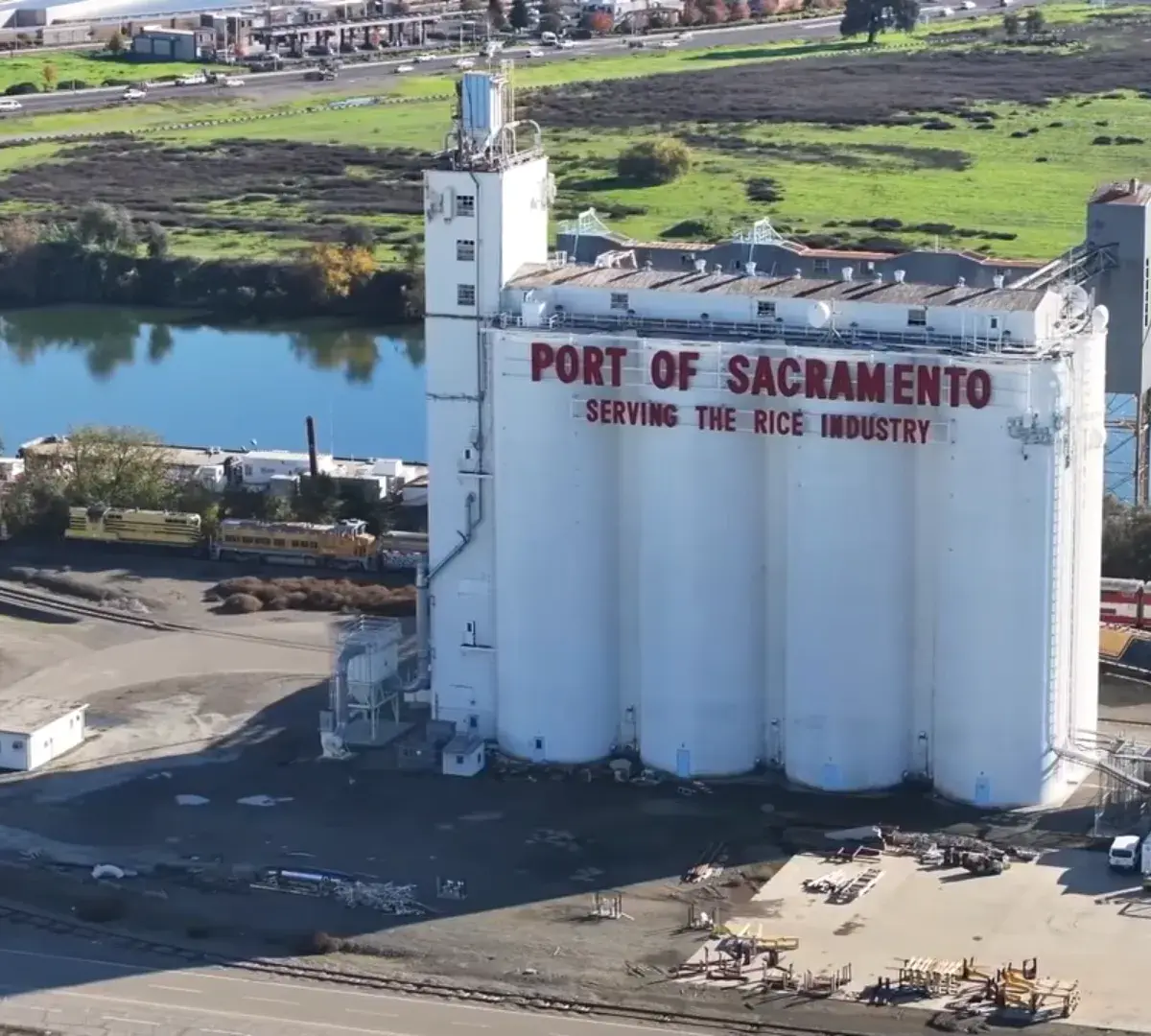
West Sacramento’s industrial corridor along the Sacramento River and the Port of Sacramento area contains significant wood structural elements in older warehouse buildings, loading dock assemblies, and riverside storage facilities. These structures are rarely inspected for termite activity, and riverside moisture conditions accelerate infestation establishment in untreated framing.
OUR APPROACH
Commercial and industrial inspections in West Sacramento cover all accessible wood structural elements, including dock assemblies and interior mezzanine framing, not only foundation perimeters. We coordinate with facilities managers to schedule treatment during low-operational periods and provide commercial documentation for property management requirements.
Yolo County Clay in an Urban Setting Behaves Differently Than Rural Clay
WHY IT HAPPENS HERE
West Sacramento’s Yolo County clay soils differ from the agricultural clay surrounding Davis because urban West Sacramento has decades of compaction from development, underground utility infrastructure, and altered drainage from city infrastructure. These factors affect how moisture moves through the soil and where subterranean termites concentrate their foraging routes, often channeling activity toward foundation penetration points rather than open soil.
OUR APPROACH
We assess each West Sacramento property’s specific soil compaction and drainage characteristics at the foundation perimeter, not by assuming standard Yolo County clay behavior. Utility penetrations and altered drainage points receive specific attention during inspection as likely subterranean access routes.
West Sacramento Termite Activity Across Every Season
West Sacramento’s River waterfront location means subterranean termite activity does not follow a simple seasonal curve. The river sustains moisture year-round, making West Sacramento one of the few cities in our service area where termite pressure remains elevated in every season without significant variation.
Spring (March – May)
The Sacramento River reaches peak annual flow from March through May as Sierra Nevada snowmelt arrives, raising the water table under West Sacramento’s river-adjacent neighborhoods to its highest seasonal point and triggering the year’s most active subterranean swarming period along the waterfront corridor.
TIP: Waterfront West Sacramento properties should schedule spring inspections before April 15. River-adjacent swarming in West Sacramento begins earlier and reaches higher intensity than in inland communities because the water table is already elevated from winter rains before the spring snowmelt surge adds to it.
Summer (June – September)
While subterranean colonies in West Sacramento’s riverside clay maintain active feeding year-round, summer adds drywood termite swarming pressure across the aging Broderick and Bryte residential stock, with swarmers entering older homes through deteriorated attic vents and aging fascia boards during peak afternoon heat from late July through September.
TIP: Older West Sacramento homes in Broderick and Bryte should have attic inspections completed before August. Drywood swarming targets the oldest, least-maintained entry points first, and homes in these neighborhoods frequently have multiple compromised entry vectors that compound each summer if not addressed.
Fall (October – November)
Cooling temperatures close the summer drywood swarming window as the first autumn rains begin adding rainfall moisture to soils that are already elevated from river proximity. This is the optimal window for barrier applications on West Sacramento properties where river moisture means year-round baseline conditions are higher than typical clay-soil cities.
TIP: Fall barrier applications in West Sacramento are the most cost-effective timing because soil is already at a stable elevated moisture level that allows termiticide to distribute evenly through the clay column. Waiting for winter increases the moisture further and reduces application effectiveness.
Winter (December – February)
The Sacramento River reaches maximum winter levels from December through February, sustaining the highest annual soil moisture under West Sacramento’s riverside neighborhoods. Subterranean termite mud tube construction on riverside foundation walls continues actively throughout winter regardless of outdoor temperatures.
TIP: Check riverside-facing foundation walls specifically after major rain events from December through February. West Sacramento’s waterfront properties experience maximum subterranean pressure during winter, and new mud tube construction on wet concrete surfaces is easiest to detect in the 24 hours after rain clears.
Termite Extermination Available in West Sacramento
- Termite Inspection Same-day and next-day availability across all West Sacramento neighborhoods and commercial zones. Acoustic emission detection and thermal imaging assess both aging residential framing and commercial warehouse structural elements.
- Termite Treatment Species-matched treatment for West Sacramento’s river corridor and older neighborhood environments. Barrier depth is adjusted for riverside Yolo County clay, not standard inland clay assumptions.
- Subterranean Termite Control Liquid barriers and bait stations calibrated for West Sacramento’s Sacramento River-adjacent clay soils. River corridor properties receive year-round treatment monitoring rather than seasonal-only scheduling.
- Drywood Termite Control Spot treatment for isolated colonies or whole-structure fumigation for widespread infestations in West Sacramento’s older Broderick and Bryte homes. Summer swarming affects the oldest structures most severely.
- Formosan Termite Control Multi-method treatment for the most destructive subterranean species. West Sacramento’s Sacramento River waterfront soils provide ideal sustained moisture conditions for Formosan colony establishment.
- Tent Fumigation Whole-structure elimination for severe drywood infestations in West Sacramento homes. Pre-war Broderick and Bryte structures frequently benefit from fumigation when acoustic emission confirms colonies across multiple structural zones.
- No-Tent Spot Treatment Targeted termiticide injection for isolated drywood colonies without evacuation. Practical for West Sacramento rental properties and occupied homes where fumigation scheduling is difficult.
- Pre-Construction Termite Treatment Soil and framing treatment for new residential and commercial construction in West Sacramento’s expanding western corridors. HUD-NPMA-99A and 99B documentation for FHA and VA financed projects through Yolo County and the City of West Sacramento.
- Termite Damage Repair Structural and cosmetic repair coordination after treatment is confirmed complete. Pre-war Broderick and Bryte homes often require sill plate replacement alongside floor joist sistering given the combination of age and river moisture exposure. Permits handled through the City of West Sacramento.
Termite Extermination Across West Sacramento and the Surrounding Sacramento Region
We serve West Sacramento-95691 and 17 cities throughout the Sacramento Valley. Every location receives the same licensed inspection standards and species-matched treatments.
Sacramento · Elk Grove · Roseville · Folsom · Citrus Heights · Rancho Cordova · Carmichael · Fair Oaks · Rocklin · Davis · Natomas · Galt · Woodland · Lincoln · Antelope · Orangevale · Auburn