
· North Highlands, CA – Zone 1 · Arcade Creek
Termite Control in North Highlands, CA: Stop Them Before They Spread.
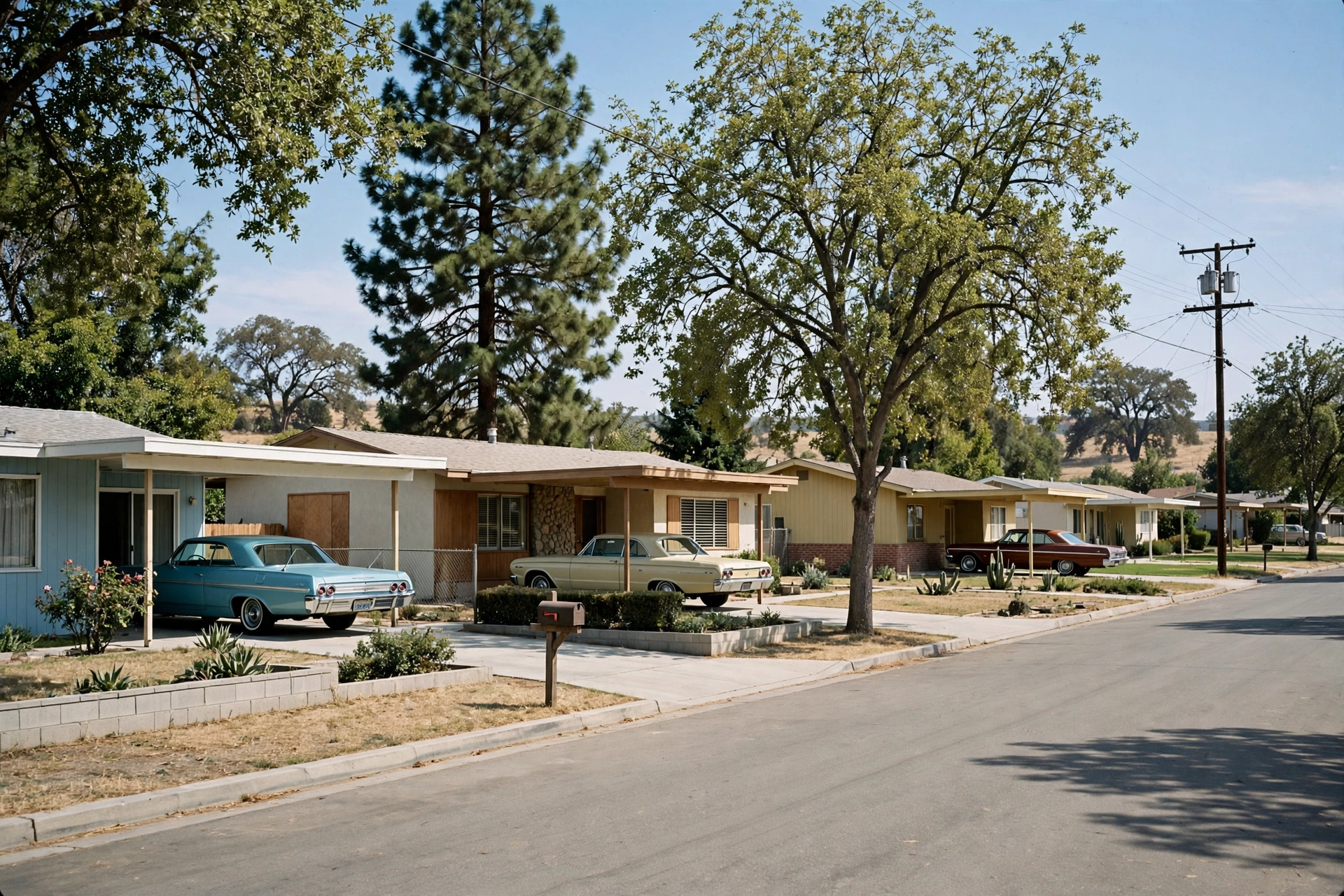
North Highlands grew up alongside McClellan Air Force Base as a mid-century community of ranch homes, with Arcade Creek winding through its neighborhoods and older commercial corridors along Watt Avenue. The housing stock is predominantly 1950s and 1960s construction, now 60-plus years old with original foundations, aging sill plates, and long-expired soil treatments. Creek moisture sustains subterranean termite colonies through the dry season, and decades of deferred maintenance on fences, sheds, and decks create wood-to-soil contact across the community. Our licensed technicians have protected North Highlands homes and properties since 2010. Free same-day inspections, written warranty on every job.
- Same-day and next-day inspection availability
- Licensed by the California Structural Pest Control Board
- All species: subterranean, drywood and Formosan termites
- 24/7 emergency service · Written warranty on every job
Open Today
15+ Years of Treating Termites
4.9★ Google Rating
24/7 Emergency Service
Licensed Termite Control in North Highlands Covering Every Species, Soil Zone, and Property Stage
North Highlands presents a concentrated version of the Sacramento Valley’s core termite equation: old homes plus water. The community’s mid-century ranch houses were built in an era of modest foundations and minimal termite pre-treatment by modern standards, and sixty years of soil movement, root pressure, and moisture cycling have opened pathways that did not exist at construction. Arcade Creek and its drainage corridors hold soil moisture through summer, letting subterranean colonies forage aggressively while surrounding areas go dormant. The transition zones near the former McClellan base mix residential blocks with older commercial buildings, each with distinct risk profiles.
Every North Highlands engagement begins with a professional termite inspection using acoustic emission devices and thermal imaging to identify the species present, locate active colonies, and assess structural damage before any treatment is recommended. Subterranean termites in creek-influenced zones are addressed through liquid barrier applications with attention to drainage corridors, combined with bait stations where creek proximity warrants continuous monitoring. Drywood termites in aging roof framing are resolved through targeted spot injection or whole-structure fumigation based on the infestation’s extent.
Why North Highlands Faces Termite Pressure From Aging Homes and Creek Moisture
North Highlands’ mid-century build-out and creek geography create four problem patterns our technicians encounter most consistently across North Highlands properties.
1950s and 1960s Ranch Homes With Original Everything
WHY IT HAPPENS HERE
The dominant housing stock in North Highlands went up in the 1950s and 1960s with construction standards far below today’s termite detailing. Original sill plates sit close to grade, foundation vents have deteriorated, and any pre-construction treatment expired before most current owners bought their homes. Sixty years of settling has opened gaps at slab edges and utility penetrations.
OUR APPROACH
We inspect these homes expecting to find entry points: slab-edge gaps, old plumbing penetrations, and sub-area moisture. Barrier refresh plus an annual termite bond gives aging homes the continuous protection their original construction never included.
Arcade Creek Corridor Sustaining Colonies Through Summer
WHY IT HAPPENS HERE
Arcade Creek and its tributary drainages maintain elevated soil moisture through North Highlands’ residential corridors all summer. Subterranean termite colonies anchored in these moist zones forage outward into surrounding blocks at strengths that dry-area colonies cannot match, and homes within a few blocks of the creek carry the highest pressure in the community.
OUR APPROACH
Creek-adjacent properties receive barrier applications calibrated for sustained moisture rather than seasonal dryness, and bait stations are positioned to intercept foraging between the creek corridor and the structure.
Wood-to-Soil Contact on Fences, Sheds, Decks, and Old Additions
WHY IT HAPPENS HERE
Decades of homeowner additions across North Highlands, fences rebuilt in place, sheds set on grade, decks with posts in soil, create direct wood-to-soil bridges that subterranean termites use as highways. These secondary structures often host the colony that eventually reaches the main house.
OUR APPROACH
Inspection covers the full property, not just the house. We identify every wood-to-soil contact point, recommend specific corrections, and extend barrier protection to detached structures where colonies are found.
Mixed Residential and Aging Commercial Blocks Near the Former Base
WHY IT HAPPENS HERE
The areas transitioning toward McClellan Park mix older commercial buildings with residential streets. Aging commercial structures with flat roofs, old parapets, and neglected perimeters develop termite issues that go unnoticed longer than in owner-occupied homes, and colonies do not respect property lines.
OUR APPROACH
We assess commercial-adjacent residential properties with the neighboring risk in mind, and we service North Highlands commercial buildings with the same inspection rigor, including roof and parapet checks standard homes never need.
North Highlands Termite Activity Across Every Season
Creek moisture extends North Highlands’ subterranean termite season well beyond the spring swarm.
Spring (March – May)
Subterranean swarming peaks as creek-corridor soils warm. Discarded wings on windowsills and around light fixtures are the classic spring sign, and in North Highlands they often trace to creek-anchored colonies.
TIP: In April, check both the house and any sheds or detached garages. On creek-adjacent lots, outbuildings swarm first.
Summer (June – September)
Colonies forage at full strength through irrigated soil. This is when mud tubes extend fastest and when foraging reaches farthest from the creek corridors into surrounding blocks.
TIP: Reduce irrigation near the foundation and fix leaking hose bibs. Summer water against the house is the single biggest controllable risk factor.
Fall (October – November)
First rains recharge the creek corridors and trigger a final foraging surge before cooler weather. Fall remains the best window for barrier applications, with workable soil and months for the treatment to settle before spring.
TIP: If your home has never had a barrier treatment, fall is the time. Do not wait for spring swarmers to confirm what an inspection can find now.
Winter (December – February)
Creek corridors stay moist and colonies stay active whenever temperatures exceed 50 degrees. Winter rain makes new mud tube construction highly visible on foundation walls.
TIP: Inspect foundation walls within a day after heavy rain. Fresh mud tubes stand out clearly against wet concrete.
Termite Control Services Available in North Highlands
- Termite Inspection — Same-day and next-day availability across North Highlands. Acoustic emission detection and thermal imaging determine which species is active before any treatment recommendation is made.
- Termite Treatment — Species-matched treatment for North Highlands’ mid-century housing stock and creek-corridor moisture zones.
- Subterranean Termite Control — Liquid barriers and bait stations calibrated for creek-sustained colony pressure.
- Drywood Termite Control — Spot treatment for isolated attic colonies or whole-structure fumigation for widespread infestations in aging roof framing.
- Formosan Termite Control — Multi-method treatment combining liquid barriers and bait stations for the most destructive subterranean species documented in the Sacramento region.
- Tent Fumigation — Whole-structure elimination for severe or widespread drywood infestations. Complete in 48 hours with full clearance certification before re-entry.
- No-Tent Spot Treatment — Targeted termiticide injection for isolated drywood colonies in attic framing, wall cavities, and wood trim. No evacuation required.
- Pre-Construction Termite Treatment — Soil and framing wood treatment for new builds and additions, with documentation for FHA and VA financed projects.
- Termite Damage Repair — Structural and cosmetic repair coordination after treatment is confirmed complete.
Termite Control Across North Highlands and the Surrounding Sacramento Region
North Highlands-95660 and 20 cities throughout the Sacramento Valley. Every location receives the same licensed inspection standards and species-matched treatments.
Sacramento · Elk Grove · Roseville · Folsom · Citrus Heights · Rancho Cordova · Carmichael · Fair Oaks · Rocklin · Davis · West Sacramento · Natomas · Galt · Woodland · Antelope · Orangevale · Auburn · Lincoln · Florin · Arden-Arcade
Mon–Sat: 9am–5pm · Emergency 24/7