
· Woodland, CA – Zone 1 · City of Trees Victorian Core
Treat Termites in Woodland, CA Before Your Oldest Wood Is Gone.
Woodland’s century-old tree canopy and historic Victorian downtown create a dual termite risk environment where drywood swarmers travel from infested tree wood directly onto rooflines, while homes dating to the 1880s stand in Yolo County clay with no original termite protection of any kind. Our licensed technicians have served Woodland since 2010 with free same-day inspections and a written warranty on every treatment.
Open Today
15+
Years of Treating Termites
4.9★
Google Rating
24/7
Emergency Service
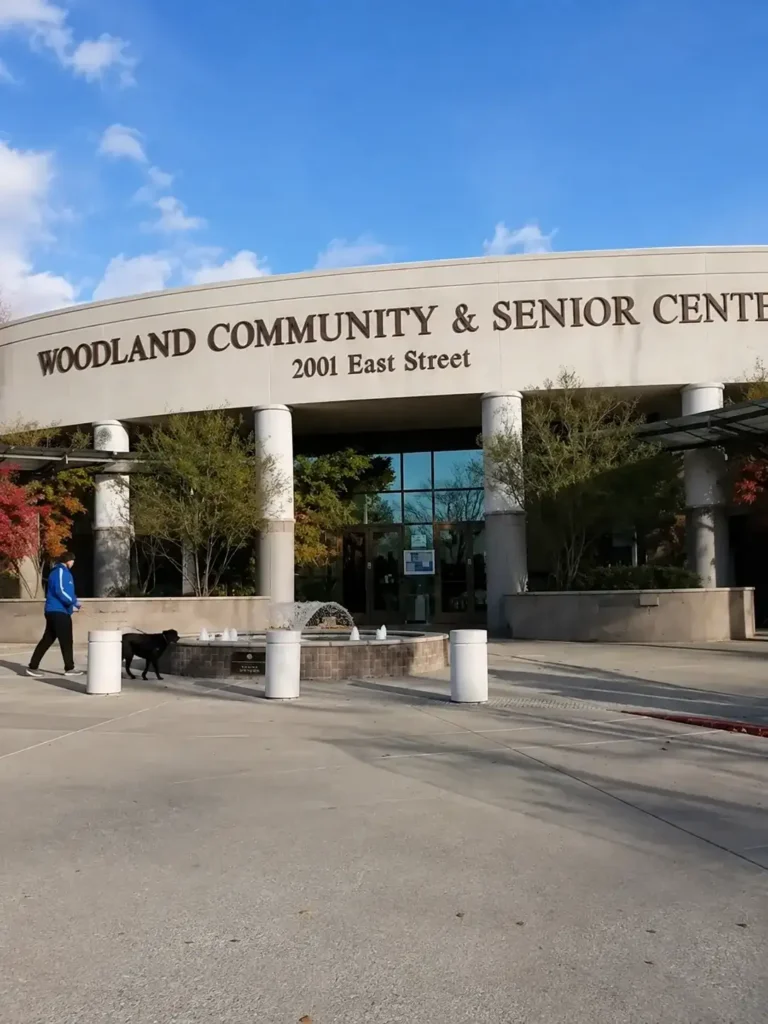
Licensed Termite Control in Woodland for Victorian-Era Homes, Tree-Shaded Neighborhoods, and Every Termite Species
Woodland earned its “City of Trees” identity from the thousands of mature valley oaks, sycamores, and elm trees planted throughout the city’s historic residential neighborhoods during the late 1800s and early 1900s. Those same trees now pose a direct drywood termite risk to the Victorian and Craftsman homes beneath them. Drywood swarmers disperse from established colonies in infested tree wood and travel branch-to-roofline distances to enter attics through aging vents, deteriorated fascia boards, and original Victorian roof details that modern homes simply don’t have. No other city in our service area has this combination of historic housing stock and mature canopy at the same scale as Woodland.
Every Woodland engagement begins with a professional termite inspection using acoustic emission devices and thermal imaging to locate active colonies before any treatment recommendation is made. Subterranean termites in Woodland’s Yolo County clay soils and Cache Creek corridor are addressed through liquid barrier applications calibrated for the city’s clay soil characteristics and adjusted for historic foundation types including stone and brick perimeter foundations common in the oldest Woodland properties. Drywood termites colonizing Woodland’s Victorian and Craftsman homes through canopy-assisted entry are resolved through targeted spot injection for isolated colonies or whole-structure fumigation when infestation has spread across multiple zones of the older wood-framed structure.
For Formosan subterranean termite cases in Woodland’s clay, multi-method treatment combining liquid barriers and bait stations with extended monitoring is applied. Woodland homeowners in historic downtown properties with no prior treatment history benefit most from annual termite bonds covering inspection, barrier maintenance, and retreatment guarantees at a predictable cost. New construction in Woodland’s developing eastern corridors near Gibson Road receives pre-construction soil and framing treatment with full HUD-NPMA documentation. Where termite damage has affected historic Woodland structures, we coordinate licensed contractor repairs with Yolo County building permits and, where applicable, any historic preservation considerations that apply to the property.
Why Woodland’s Tree Legacy and Historic Housing Stock Create Termite Vulnerabilities
Woodland’s identity as a historic agricultural city with a century-old tree canopy creates termite risk conditions that no other community in our service area replicates. These four problem patterns define what our technicians find most consistently across Woodland properties.
Century-Old Tree Canopy Provides Direct Drywood Swarmer Access to Victorian Rooflines
WHY IT HAPPENS HERE
The mature valley oaks, sycamores, and elms throughout Woodland’s historic residential neighborhoods grow close to homes that have stood for 100 or more years. Branches reach rooflines, drop debris onto roof surfaces, and provide drywood termite swarmers with a physical path from infested tree wood directly to attic vents, deteriorated gingerbread trim, and original Victorian roof details. No newer suburb in the region has this combination of tree age, tree size, and historic architectural complexity.
OUR APPROACH
Canopy contact points are documented during every Woodland inspection. We assess the condition of all roof vents, fascia boards, and decorative wood trim elements where tree proximity creates an access vector. Treatment recommendations address both active colonies and the entry points that allowed them to establish.
Victorian and Craftsman Homes from the 1880s Through 1930s Have Zero Original Termite Protection
WHY IT HAPPENS HERE
Woodland’s historic downtown and surrounding residential neighborhoods contain some of the oldest homes in our entire service area. Properties along College Street, Second Street, and the Main Street historic corridor include Victorian and Craftsman homes built between 1880 and 1930, decades before any termite protection standard existed. Original old-growth lumber in these homes has been exposed to termite pressure for 90 to 140 years without professional treatment in many cases.
OUR APPROACH
Older Woodland properties receive non-destructive inspection methods that locate colonies without damaging original architectural elements. First inspections on homes with no treatment history cover every accessible structural zone, not only the perimeter. This includes wall systems, attic framing, floor assemblies, and foundation sill plates. Treatment plans address both active infestation and the structural damage assessment that often accompanies it in properties of this age.
Cache Creek Corridor Creates a Moisture Band Across Northwestern Woodland
WHY IT HAPPENS HERE
Cache Creek runs northwest of Woodland and flows toward the Yolo Bypass. The riparian corridor along the creek maintains soil moisture in northwestern Woodland neighborhoods that exceeds the baseline conditions of the city’s central and eastern areas. Properties in the lower elevations closest to the Cache Creek drainage face subterranean termite pressure that is higher and more sustained than properties on Woodland’s drier eastern side.
OUR APPROACH
We assess Cache Creek proximity during inspection for all northwestern Woodland properties and adjust barrier depth and monitoring frequency to reflect the sustained moisture influence of the creek corridor. Annual inspection is recommended as a minimum standard for all properties within several blocks of Cache Creek drainage channels.
Agricultural Surroundings on the Western and Northern Edges Deliver Untreated Colony Pressure
WHY IT HAPPENS HERE
Woodland is an agricultural city with farmland on its western and northern boundaries. Undisturbed field soils on these edges contain subterranean termite colonies that migrate toward the residential boundary as normal foraging activity extends their range. Woodland’s western and northern residential corridors face inbound colony pressure from adjacent agricultural land on top of the local soil moisture conditions from Cache Creek.
OUR APPROACH
Woodland properties on the western and northern residential edges receive barrier treatment on all foundation faces and annual inspection scheduling that accounts for the ongoing agricultural colony pressure from surrounding farmland. A one-time treatment without monitoring is not sufficient for properties at Woodland’s agricultural boundary.
Woodland Termite Activity Across Every Season
Woodland’s tree canopy, historic housing stock, and agricultural surroundings create a termite calendar driven by three different forces, each peaking at different points in the year. These are canopy-driven drywood swarming, subterranean foraging from Cache Creek and agricultural soils, and seasonal clay moisture patterns.
Spring (March – May)
Woodland’s dense tree canopy warms faster than open ground as spring temperatures rise, triggering drywood swarmer emergence from canopy-established colonies earlier than in less-forested Sacramento Valley communities. Subterranean swarming from Cache Creek corridor soils follows as the creek reaches spring flow and soil temperatures warm through March and April.
TIP: Schedule spring inspections before April for all Woodland properties with mature tree canopy contact with the roofline. Drywood swarming in Woodland starts earlier in the spring than most homeowners expect because the canopy creates a warmer microclimate that accelerates swarmer emergence before open-ground temperatures trigger the same response in surrounding communities.
Summer (June – September)
Summer is Woodland’s peak drywood swarming window, with the mature tree canopy providing swarmers from established colonies in valley oaks and sycamores direct flight paths to Victorian rooflines across the city’s historic core from late July through September.
TIP: After every summer swarming event, check attic floor surfaces for discarded wings. Drywood swarmers shed their wings immediately after entering a structure and locating a wood cavity to colonize. A cluster of discarded wings in the attic confirms a recent swarming entry event and warrants an immediate acoustic emission inspection to locate the new colony before it establishes.
Fall (October – November)
Cooling temperatures slow drywood swarming while the first autumn rains begin reactivating subterranean foraging in Woodland’s clay soils. Harvest activity in surrounding agricultural fields can also displace colonies toward Woodland’s western and northern residential boundaries as ground disturbance disrupts established farmland colonies.
TIP: October is the optimal window for liquid barrier applications in Woodland. Partially rehydrated clay absorbs termiticide more evenly than summer-dry soil, and applying before full winter saturation gives the barrier time to distribute through the clay column before peak subterranean activity begins.
Winter (December – February)
Cache Creek reaches its highest annual flow from December through February, maximizing soil moisture in northwestern Woodland neighborhoods. Subterranean termite mud tube construction on foundation walls near the creek corridor is most active and most visible on wet foundation surfaces throughout the winter wet season.
TIP: After every significant rain event from December through February, walk your full foundation perimeter and check creek-facing sides first on northwestern Woodland properties. On Victorian stone and brick foundations, check mortar joints and grade-level surfaces specifically. Termite mud tubes blend into aged stone more easily than into modern concrete, so look closely rather than glancing.
Termite Control Services Available in Woodland
- Termite Inspection Same-day and next-day availability across all Woodland neighborhoods including the historic downtown core. Acoustic emission detection and thermal imaging assess Victorian and Craftsman homes with the non-destructive approach that preserving original architectural elements requires.
- Termite Treatment Species-matched treatment for Woodland’s dual drywood-and-subterranean pressure environment. Treatment plans for historic properties account for original foundation types including stone and brick perimeter foundations not present in modern construction.
- Subterranean Termite Control Liquid barriers and bait stations calibrated for Woodland’s Yolo County clay and Cache Creek corridor moisture. Barrier applications on historic properties are designed around original foundation configurations rather than standard modern perimeter protocol.
- Drywood Termite Control Spot treatment for isolated colonies or whole-structure fumigation for widespread infestations. Woodland’s mature tree canopy creates a persistent annual drywood swarming pressure that makes attic inspection a priority on every historic property regardless of prior treatment status.
- Formosan Termite Control Multi-method treatment for the most destructive subterranean species in the region. Woodland’s Yolo County clay soils and agricultural edge are capable of sustaining the large colony populations Formosan termites require to establish.
- Tent Fumigation Whole-structure elimination for severe drywood infestations in Woodland homes, including Victorian-era structures where multiple decades of canopy-assisted swarming has produced simultaneous infestations in multiple structural zones.
- No-Tent Spot Treatment Targeted termiticide injection for isolated drywood colonies without evacuation. Practical for early-stage infestations in accessible attic zones of Woodland’s older homes and appropriate when historic preservation considerations make fumigation preparation more complex.
- Pre-Construction Termite Treatment Soil and framing treatment for new construction in Woodland’s developing eastern corridors near Gibson Road. HUD-NPMA-99A and 99B documentation for FHA and VA financed projects through Yolo County.
- Termite Damage Repair Structural and cosmetic repair coordination for Woodland homes after treatment is confirmed complete. Historic Woodland properties often require custom repair approaches for original wood elements, Victorian trim, and non-standard foundation configurations. Permits handled through the City of Woodland and Yolo County.
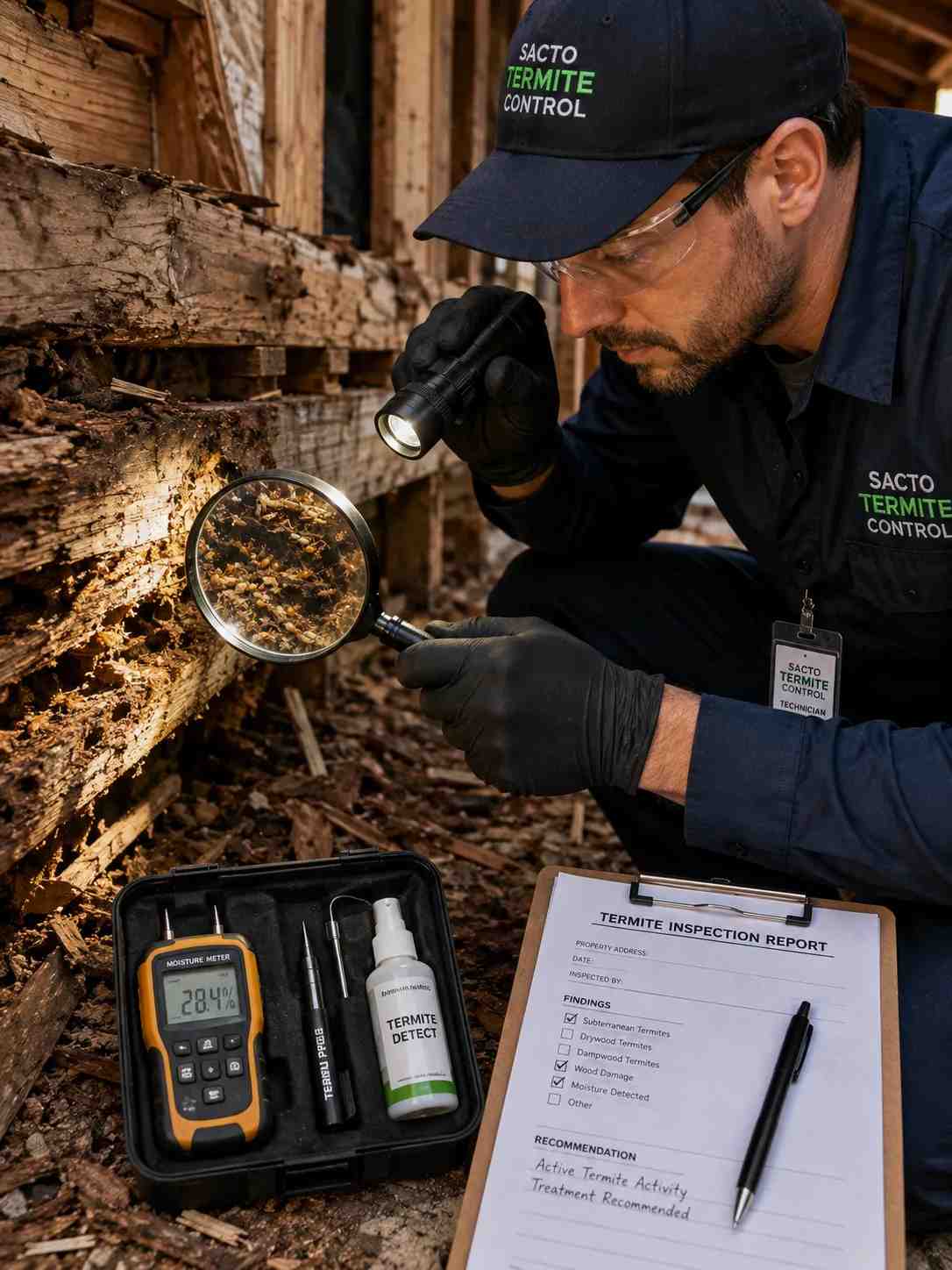
Termite Control Across Woodland and the Surrounding Sacramento Region
We serve Woodland and 17 cities throughout the Sacramento Valley. Every location receives the same licensed inspection standards and species-matched treatments.
Sacramento · Elk Grove · Roseville · Folsom · Citrus Heights · Rancho Cordova · Carmichael · Fair Oaks · Rocklin · Davis · West Sacramento · Natomas · Galt · Lincoln · Antelope · Orangevale · Auburn