
· Antelope, CA – Zone 1 · Antelope Creek Corridor
Termite Control in Antelope, CA. Protect What You’ve Worked For.
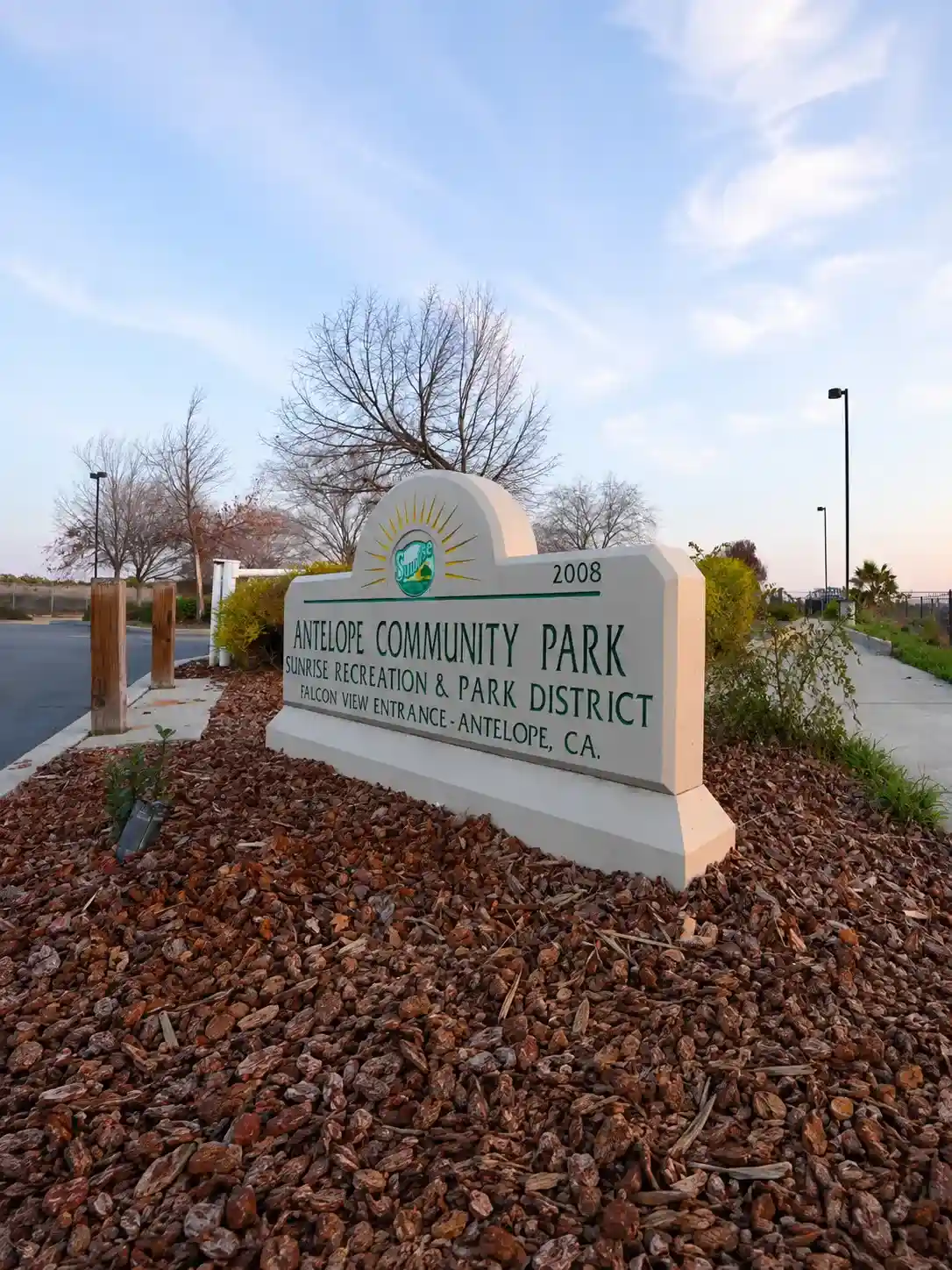
Antelope sits along Sacramento County’s northern border with Placer County, where hardpan clay-loam soil, Antelope Creek’s year-round flow, and dense 1980s and 1990s subdivision construction sustain subterranean termite colonies throughout the community. Our licensed technicians have served Antelope since 2010 with free same-day inspections and a written warranty on every treatment.
Open Today
15+
Years of Treating Termites
4.9★
Google Rating
24/7
Emergency Service
Licensed Termite Control in Antelope for Hardpan Clay Properties, Creekside Homes, and Every Termite Species
Antelope is a Sacramento County community bordering Placer County along Watt Avenue and PFE Road, built almost entirely during the residential growth boom of the 1980s and 1990s. Unlike agricultural-edge cities further south, Antelope’s termite risk comes from hardpan clay-loam soil common across north Sacramento County and the sustained moisture of Antelope Creek, which runs through several residential corridors. This hardpan layer holds moisture differently than standard alluvial clay, creating conditions that concentrate subterranean termite activity near the creek and along shaded, poorly-draining yards.
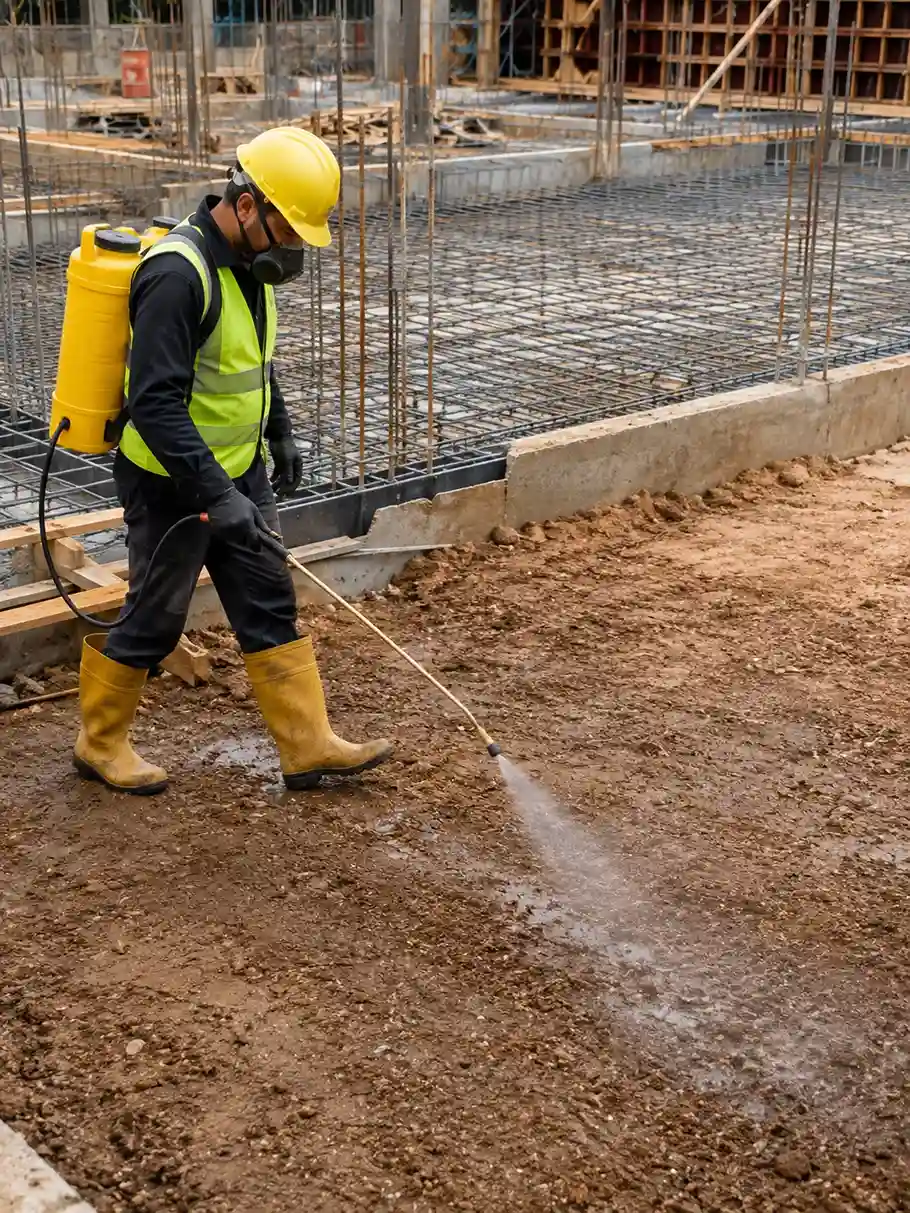
Every Antelope engagement begins with a professional termite inspection using acoustic emission devices and thermal imaging to locate active colonies in Antelope’s dense 1980s and 1990s subdivisions before treatment is recommended. Subterranean termites in Antelope’s hardpan clay and creekside soils are addressed through liquid barrier applications calibrated for the compacted, slow-draining hardpan layer that traps moisture near the surface. Drywood termites entering Antelope homes through roof vents and eaves during summer swarming are resolved through targeted spot injection for isolated colonies or whole-structure fumigation when infestation extends across multiple rooms.
For Formosan subterranean termite cases in Antelope’s moisture-retentive hardpan soil, multi-method treatment combining liquid barriers and bait stations with extended monitoring is applied given the colony populations this soil type can sustain. Antelope homeowners in creekside and shaded-lot properties with no treatment history benefit most from annual termite bonds covering inspection, barrier maintenance, and retreatment guarantees at a predictable annual cost. Where termite damage has occurred, we coordinate licensed contractor repairs with Sacramento County building permits handled for all structural work.
Why Antelope’s Hardpan Soil and Creek Corridor Create Termite Conditions Unique in Sacramento County
Antelope’s position along the Antelope Creek corridor, its hardpan clay-loam soil, and its dense 1980s and 1990s subdivision construction combine to create termite risk conditions that differ from every other city in our service area. These four problem patterns define what our technicians find most consistently across Antelope properties.
Hardpan Clay-Loam Soil Traps Moisture Close to the Foundation
WHY IT HAPPENS HERE
North Sacramento County’s hardpan soil layer, common throughout Antelope, sits several inches below the surface and drains far slower than standard alluvial clay found in cities closer to the Sacramento River. Rainfall and irrigation water collect above this hardpan layer instead of draining away, keeping soil moisture elevated near foundations for longer after every rain event or watering cycle. This creates a persistently favorable environment for subterranean termite colonies close to the structure.
OUR APPROACH
We apply liquid barriers in Antelope at specifications adjusted for hardpan clay-loam soil, including trenching that accounts for the compacted subsurface layer and product volumes calibrated for the slower absorption rate this soil type produces. Inspections prioritize shaded yard areas and irrigation zones where hardpan moisture retention is most pronounced.
Antelope Creek Corridor Sustains Termite Activity Along Residential Greenbelts
WHY IT HAPPENS HERE
Antelope Creek runs through several of the community’s residential corridors, maintaining consistent soil moisture along adjacent greenbelts and backyards throughout the year. Homes backing onto the creek corridor or its connecting drainage channels experience elevated subterranean termite pressure compared to properties on Antelope’s interior streets, since the creek functions as a year-round moisture source independent of rainfall.
OUR APPROACH
Properties along the Antelope Creek corridor and connecting greenbelts receive barrier treatment addressing the creek-facing foundation wall as a priority zone, with inspection intervals scheduled more frequently than interior properties. Bait station placement is adjusted to intercept colonies foraging from the creek corridor toward the home.
Dense 1980s and 1990s Subdivision Construction Shares Common Vulnerabilities
WHY IT HAPPENS HERE
Antelope’s housing stock was built almost entirely during two decades of rapid subdivision development along Watt Avenue, PFE Road, and Elverta Road. Homes from this era share consistent slab foundation designs and similar wood-to-soil clearance standards, meaning a vulnerability found in one home is frequently present throughout the surrounding block. Pre-construction treatment barriers from this era are now 25 to 45 years old and have exceeded their effective service life in most cases.
OUR APPROACH
Inspections for Antelope’s 1980s and 1990s subdivision homes specifically evaluate original pre-construction barrier condition, since most properties from this development period are due for barrier renewal or supplemental treatment regardless of visible activity. We document slab perimeter conditions consistent with the era’s construction standards.
Mature Landscaping and Shaded Yards Reduce Soil Drying Between Waterings
WHY IT HAPPENS HERE
Antelope’s subdivisions were built with mature shade trees and dense foundation landscaping that has grown substantially over the past three decades. Combined with hardpan soil’s slow drainage, this mature landscaping keeps foundation-adjacent soil shaded and moist for longer stretches between irrigation cycles than newer, less established neighborhoods experience. Termite colonies concentrate in these shaded, consistently moist zones.
OUR APPROACH
First inspections on established Antelope properties give particular attention to shaded foundation zones, irrigation lines running near the structure, and mature tree root zones where soil moisture and organic material both concentrate. Treatment plans account for root systems when placing bait stations and barrier trenches.
Antelope Termite Activity Across Every Season
Antelope’s hardpan soil drainage pattern and Antelope Creek’s year-round flow create a termite activity cycle shaped by soil moisture retention as much as by rainfall, making Antelope’s seasonal risk profile distinct from cities with faster-draining alluvial soil.
Spring (March – May)
Spring rainfall saturates Antelope’s hardpan layer faster than it can drain, while Antelope Creek carries elevated flow from seasonal runoff. This combination produces the year’s highest subterranean termite swarming activity, concentrated along the creek corridor and in shaded yards where soil stays saturated longest.
TIP: Antelope homeowners near the creek corridor or with heavily shaded yards should schedule spring inspections before April. Hardpan soil holds spring moisture well past the point when faster-draining soils have dried out, extending the high-risk swarming window.
Summer (June – September)
Irrigation cycles across Antelope’s established subdivisions keep soil moisture elevated above the hardpan layer throughout the dry season, sustaining subterranean foraging activity that many faster-draining Sacramento Valley communities see decline in summer. Drywood termite swarmers add pressure from late July through September as they seek entry through roof vents and eaves on Antelope’s 1980s and 1990s homes.
TIP: Do not assume reduced termite risk in Antelope during summer based on dry surface conditions alone. The hardpan layer retains irrigation moisture well below the visible surface. Summer inspections remain important for creekside and heavily-landscaped Antelope properties.
Fall (October – November)
Cooling temperatures and reduced irrigation allow Antelope’s hardpan soil to begin slow seasonal drainage, but the layer retains moisture longer than surrounding communities well into fall. Colonies displaced by this gradual drying often relocate toward remaining moisture sources, including foundations with active leaks or persistent shade.
TIP: If you notice new mud tubes on your Antelope property in fall, check for irrigation leaks or drainage issues first. Displaced colonies seeking moisture during this transition period are drawn to any remaining wet zone near the structure. Schedule a fall inspection before November 1.
Winter (December – February)
Antelope’s hardpan soil reaches saturation early in the winter rainy season and holds that moisture through the coldest months, since the compacted subsurface layer prevents water from draining to lower soil strata. Combined with Antelope Creek’s winter flow, this produces sustained near-surface moisture that keeps subterranean colonies active through winter rather than dormant.
TIP: Winter is not a low-risk season in Antelope the way it is in faster-draining communities. Foundation perimeter checks after heavy rain events remain worthwhile throughout the season, especially near shaded or creek-adjacent zones.
Termite Control Services Available in Antelope
- Termite Inspection Same-day and next-day availability across Antelope. Acoustic emission detection and thermal imaging assess Antelope’s dense 1980s and 1990s subdivisions and creekside properties with the thoroughness that hardpan soil conditions require.
- Termite Treatment Species-matched treatment calibrated for Antelope’s hardpan clay-loam soil. Standard Sacramento Valley barrier specifications are adjusted for the slow-draining subsurface layer common throughout north Sacramento County.
- Subterranean Termite Control Liquid barriers and bait stations applied at specifications for Antelope’s hardpan soil and Antelope Creek corridor moisture. Creek-facing foundation walls treated as priority zones on corridor-adjacent properties.
- Drywood Termite Control Spot treatment for isolated colonies or whole-structure fumigation for widespread infestations in Antelope homes. Roof vents and eaves on 1980s and 1990s subdivision properties are assessed as priority entry points.
- Formosan Termite Control Multi-method treatment for the most destructive subterranean species in the Sacramento region. Antelope’s moisture-retentive hardpan soil is capable of sustaining the large colony populations Formosan termites require to establish and cause rapid structural damage.
- Tent Fumigation Whole-structure elimination for severe drywood infestations across Antelope homes. Complete in 48 hours with full clearance certification before re-entry. Most appropriate for multi-room infestations in established subdivision properties.
- No-Tent Spot Treatment Targeted termiticide injection for isolated drywood colonies without evacuation or disruption. Practical for Antelope homeowners with early-stage drywood infestations in accessible attic or eave zones.
- Pre-Construction Termite Treatment Soil and framing treatment for new construction in Antelope’s remaining infill lots. Hardpan soil conditions require adjusted depth and volume specifications for effective pre-construction barriers. HUD-NPMA-99A and 99B documentation for FHA and VA financed projects through Sacramento County.
- Termite Damage Repair Structural and cosmetic repair coordination after treatment is confirmed complete. Antelope’s 1980s and 1990s subdivision homes with original pre-construction barriers past their service life often require repair alongside renewed treatment. Sacramento County permits handled for all structural work.
Termite Control Across Antelope and the Surrounding Sacramento Region
We are professionally serving Antelope and 17 cities throughout the Sacramento Valley. Every location receives the same licensed inspection standards and species-matched treatments.
Sacramento · Elk Grove · Roseville · Folsom · Citrus Heights · Rancho Cordova · Carmichael · Fair Oaks · Rocklin · Davis · West Sacramento · Natomas · Galt · Woodland · Lincoln · Orangevale · Auburn