· Rancho Cordova, CA – Zone 1 · River Corridor
Treat Termites in Rancho Cordova, CA – Before It Gets Worse.
Rancho Cordova sits along the American River’s south bank where alluvial clay soils, a high water table, and one of Sacramento County’s largest concentrations of older industrial and commercial buildings create year-round termite pressure across both residential and commercial properties. Our licensed technicians have served Rancho Cordova since 2010 with free same-day inspections and a written warranty on every treatment.
Open Today
15+
Years of Treating Termites
4.9★
Google Rating
24/7
Emergency Service
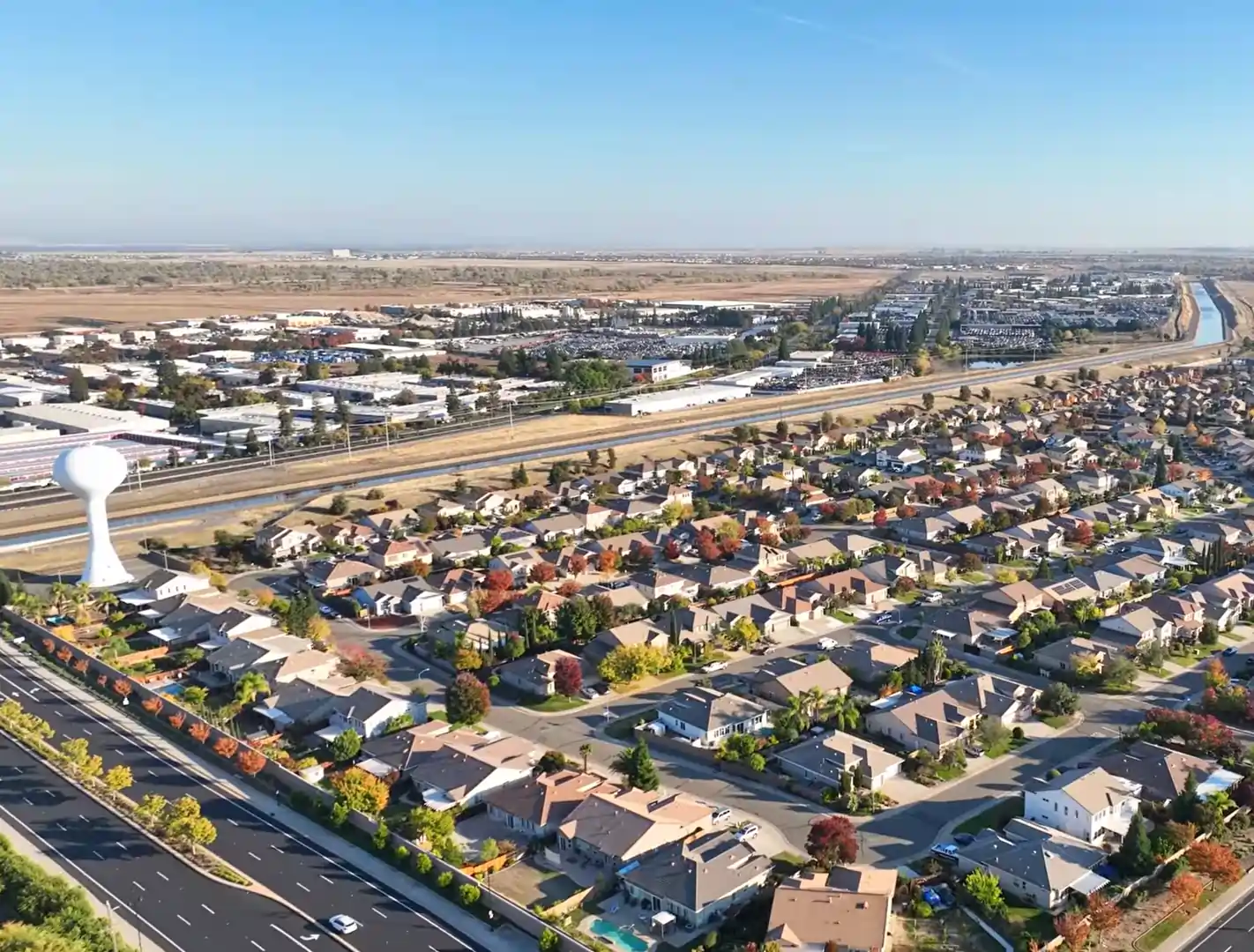
Licensed Termite Control in Rancho Cordova for Residential Homes, Commercial Buildings, and Industrial Properties
Rancho Cordova is unlike any other city in our service area. It combines a dense residential corridor of post-war and mid-century homes along Coloma Road and Routier Road with one of Sacramento County’s largest concentrations of commercial warehouse space, light industrial facilities, and corporate office campuses along Folsom Boulevard and Mather Field Road. Both property types face serious termite pressure — from the same American River alluvial soils that sustain subterranean colonies year-round, and from the city’s summer heat that drives drywood swarming into any unprotected attic or roof assembly.
Every Rancho Cordova engagement begins with a professional termite inspection using acoustic emission devices and thermal imaging to confirm species identity and locate active colonies in both residential wall systems and commercial structural assemblies before any treatment recommendation is made. Subterranean termites in Rancho Cordova’s American River-adjacent clay soils are addressed through liquid barrier applications with barrier depth adjusted for the elevated water table and year-round moisture conditions of the river corridor. Drywood termites colonizing Rancho Cordova residential attics and commercial roof framing during the summer swarming window are resolved through targeted spot injection for isolated colonies or whole-structure fumigation when infestation has spread across multiple zones.
For Rancho Cordova commercial properties where subterranean termite damage has reached structural framing, floor assemblies, or loading dock wood components, we coordinate licensed contractor repairs with documentation prepared for commercial lenders, property management firms, and Sacramento County building permits. Residential Rancho Cordova homeowners in older neighborhoods with no prior treatment history benefit most from annual termite bonds providing ongoing barrier maintenance and retreatment guarantees. New construction in Rancho Cordova’s expanding Anatolia and newer residential corridors receives pre-construction soil and framing treatment with HUD-NPMA documentation for financed projects.
Why Rancho Cordova Faces Termite Risk Across Both Its Residential and Commercial Zones
Rancho Cordova’s geography, construction history, and economic profile create termite vulnerabilities that span residential neighborhoods and commercial corridors simultaneously. These four problem patterns define what our technicians find most consistently across Rancho Cordova properties.
American River Alluvial Soils Sustain Subterranean Colonies Year-Round
WHY IT HAPPENS HERE
The American River runs along Rancho Cordova’s northern boundary and its alluvial clay deposits extend deep into the city’s residential and commercial zones. These soils maintain high moisture content throughout the year, sustaining subterranean termite colonies at depth even during dry summer months when surface soils appear dry.
OUR APPROACH
River-adjacent Rancho Cordova properties receive deeper barrier trenching than standard protocol and are maintained on annual inspection schedules. The year-round moisture environment means new colony establishment can occur at any point, not only during wet-season swarming periods.
Post-War Residential Neighborhoods with No Original Soil Barriers
WHY IT HAPPENS HERE
Rancho Cordova’s residential core along Coloma Road, Routier Road, and the Cordova Meadows area developed during the 1950s and 1960s as housing for Sacramento Air Logistics Center workers. These homes were built before termite pre-treatment was required, with sill plates on shallow concrete and no chemical barrier between the alluvial soil and structural wood.
OUR APPROACH
Older Rancho Cordova residential properties require a full perimeter barrier installation. We trench and rod to correct depth accounting for the elevated water table conditions near the American River floodplain, and document all utility penetration points for additional entry point treatment.
Commercial and Industrial Wood Framing Largely Uninspected
WHY IT HAPPENS HERE
Rancho Cordova’s commercial and industrial buildings along Folsom Boulevard, Mather Field Road, and Douglas Road contain significant wood structural components in loading dock assemblies, interior mezzanine framing, warehouse racking attachment points, and roof systems. These areas are rarely inspected by occupants focused on operations rather than structural maintenance.
OUR APPROACH
Commercial Rancho Cordova inspections include all accessible structural wood components, not just the foundation perimeter. Mezzanine framing, dock leveler surrounds, and interior wood partition bases are assessed with acoustic emission devices during every commercial inspection.
Mather Field and Former Military Land Creates Untreated Soil Reservoirs
WHY IT HAPPENS HERE
The former Mather Air Force Base and surrounding undeveloped land in eastern Rancho Cordova contain large areas of undisturbed soil with established subterranean termite colonies that have never been treated or disrupted. As residential and commercial development expands toward these areas, colonies migrate toward newly available wood sources.
OUR APPROACH
Properties bordering former Mather Field land, open space, or undeveloped parcels in eastern Rancho Cordova are assessed as elevated-risk regardless of construction date. Annual inspection and active barrier maintenance are recommended as standard protocol for these boundary properties.
Rancho Cordova Termite Activity Across Every Season
Rancho Cordova’s American River proximity and mixed residential-commercial property base create termite pressure patterns that differ between neighborhoods depending on distance from the river, soil moisture levels, and property type. Both residential and commercial properties face elevated risk in every season.
Spring (March – May)
The American River reaches peak flow from March through May, raising the water table under Rancho Cordova’s river-adjacent residential neighborhoods and triggering the primary subterranean termite swarming period. Winged reproductives from established colonies emerge and disperse toward new wood sources along the river corridor’s residential edge.
TIP: Rancho Cordova homeowners north of Folsom Boulevard and within several blocks of the American River Parkway should schedule spring inspections before April 15. River corridor subterranean swarming peaks earlier and more intensely than in inland Rancho Cordova neighborhoods.
Summer (June – September)
Rancho Cordova’s summer heat, regularly above 100 degrees, triggers drywood termite swarming through attic vents and roof gaps in both residential homes and commercial buildings, while subterranean colonies in American River alluvial soils continue feeding through underground networks year-round.
TIP: Commercial property managers along Folsom Boulevard and Mather Field Road should include attic and roof framing in summer inspection scheduling. Drywood termites colonize commercial roof assemblies through the same swarming mechanism as residential homes, and commercial infestations grow larger before they are detected.
Fall (October – November)
Cooling temperatures and the first autumn rains reactivate subterranean foraging throughout Rancho Cordova’s clay soils. This is the optimal window for liquid barrier applications before winter river levels rise and soil becomes fully saturated.
TIP: Fall barrier applications in Rancho Cordova should be scheduled before the first significant rain event. American River alluvial soils absorb autumn moisture quickly, and applying barrier treatment before full soil saturation gives the termiticide time to distribute evenly before peak winter subterranean pressure begins.
Winter (December – February)
American River levels rise from December through February, elevating the water table across Rancho Cordova’s northern residential and commercial zones and sustaining active subterranean termite mud tube construction on foundation walls throughout the wet season regardless of outdoor temperature.
TIP: Inspect both residential and commercial foundations after heavy rain events from December through February. New mud tube construction on commercial loading dock surrounds and residential foundation concrete is most visible on wet surfaces within 24 hours of rain clearing.
Termite Control Services Available in Rancho Cordova
- Termite Inspection Same-day and next-day availability across all Rancho Cordova residential neighborhoods and commercial zones. Acoustic emission detection and thermal imaging assess both residential wall systems and commercial structural framing.
- Termite Treatment Species-matched treatment for Rancho Cordova’s residential and commercial properties. American River alluvial soil conditions require barrier depth adjustments that standard valley-floor protocol does not account for.
- Subterranean Termite Control Liquid barriers and bait stations calibrated for Rancho Cordova’s American River alluvial clay soils. Elevated water table conditions near the river corridor require deeper trenching and additional slab penetration treatment.
- Drywood Termite Control Spot treatment for isolated colonies or whole-structure fumigation for widespread infestations in Rancho Cordova homes and commercial buildings. Summer swarming affects commercial roof framing as readily as residential attics.
- Formosan Termite Control Multi-method treatment for the most destructive subterranean species in the Sacramento region. Formosan colonies in Rancho Cordova’s river-adjacent alluvial soils cause structural damage at a rate that requires immediate aggressive response.
- Tent Fumigation Whole-structure elimination for severe drywood infestations in Rancho Cordova homes. Clearance certification issued before re-entry. Scheduling coordinated to minimize disruption for occupied properties.
- No-Tent Spot Treatment Targeted termiticide injection for isolated drywood colonies in accessible attic framing and wall cavities. No evacuation required. Effective for early-stage residential and commercial drywood infestations in Rancho Cordova.
- Pre-Construction Termite Treatment Soil and framing treatment for new residential and commercial construction in Rancho Cordova’s Anatolia corridor and expanding eastern zones. HUD-NPMA-99A and 99B documentation for all FHA and VA financed residential projects.
- Termite Damage Repair Structural and cosmetic repair coordination for Rancho Cordova residential and commercial properties after treatment is confirmed complete. Commercial repair documentation prepared for property management and lender requirements. Building permits handled through Sacramento County.
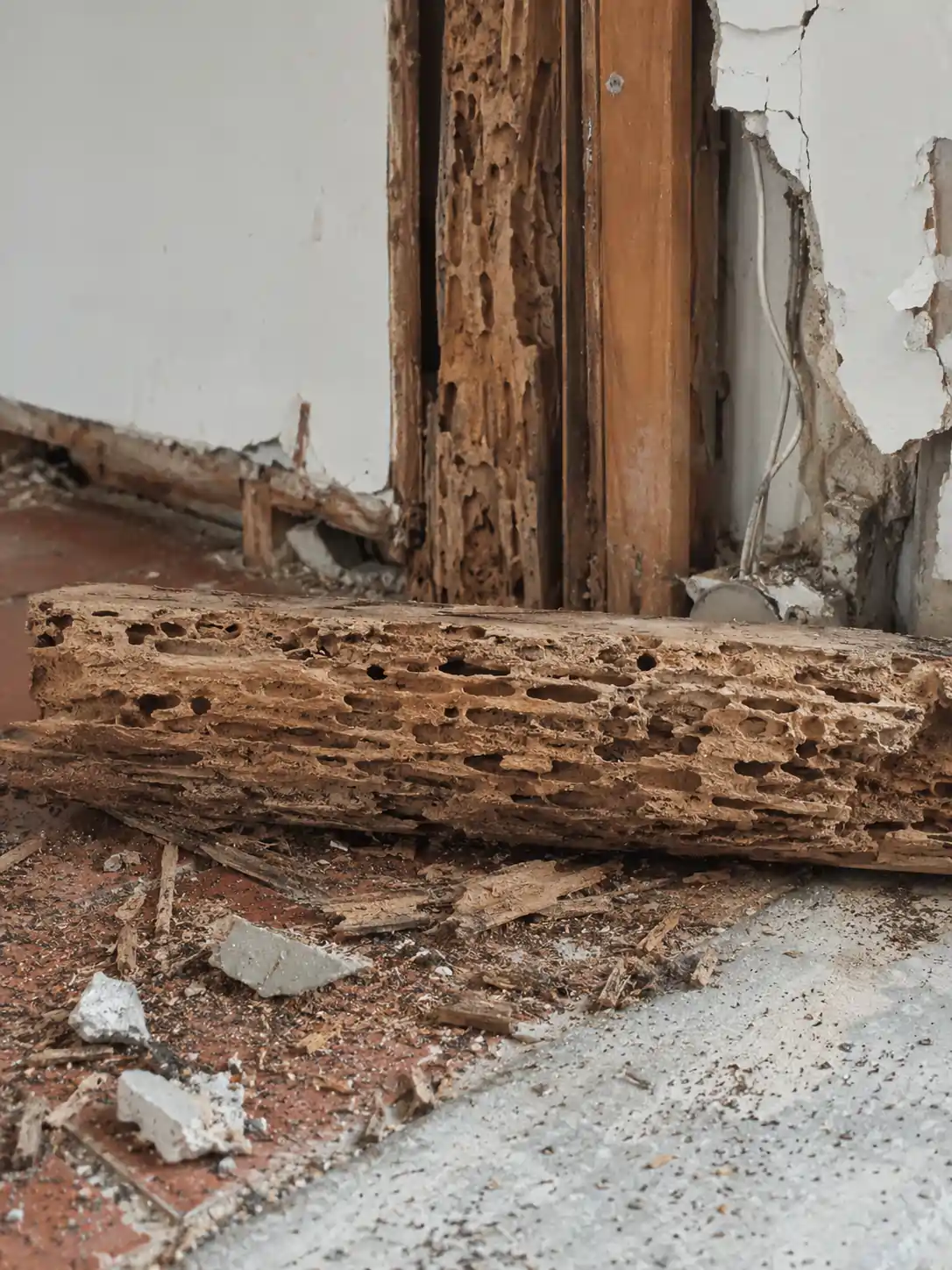
Termite Control Across Rancho Cordova and the Surrounding Sacramento Region
We serve Rancho Cordova-95670 and 17 cities throughout the Sacramento Valley. Every location receives the same licensed inspection standards and species-matched treatments.
Sacramento · Elk Grove · Roseville · Folsom · Citrus Heights · Carmichael · Fair Oaks · Rocklin · Davis · West Sacramento · Natomas · Galt · Woodland · Lincoln · Antelope · Orangevale · Auburn