
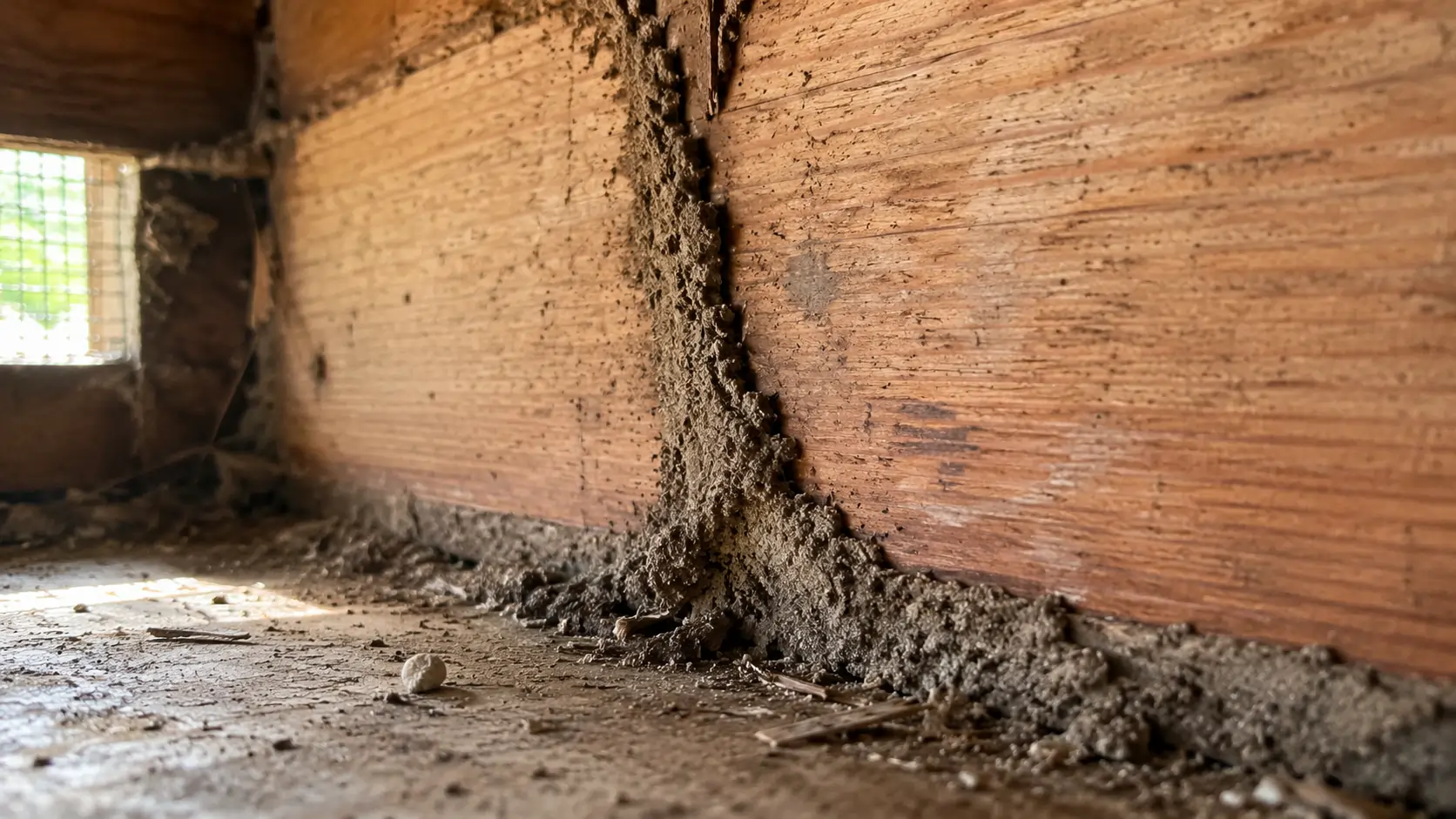
Termite Inspections in Sacramento
Sacramento sits in Termite Infestation Probability Zone 1, the highest risk classification assigned by the U.S. Department of Housing and Urban Development. Our soil, climate, and building stock create near-ideal conditions for both subterranean and drywood termites year-round. At Sacto Termite Control, a professional termite inspection tells you exactly where your home stands before damage forces the decision for you.
What a Professional Termite Inspector Checks in Your Home
A licensed inspector covers every accessible area where termites live, travel, or enter. For an average Sacramento home, that takes 60 to 90 minutes.
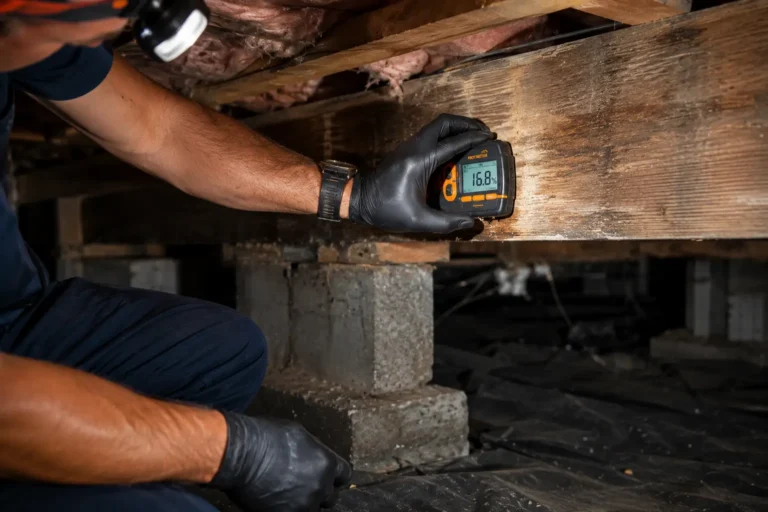
Inspectors check the crawl space, attic framing, all visible foundation wood, window and door frames, the garage, decking, fence posts, and any wood touching soil in the landscaping. They use a probe tool to test for hollow wood that looks solid on the surface. Moisture meters identify wet wood that attracts subterranean termites. Thermal cameras detect temperature changes behind walls where colonies are active.
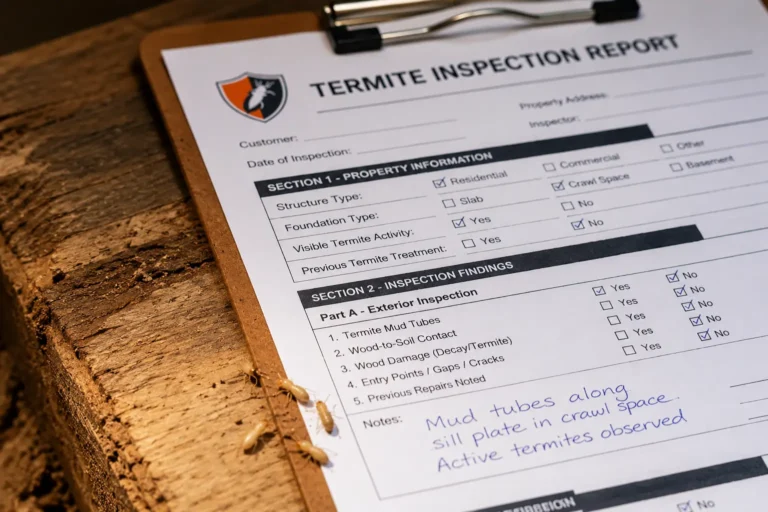
Every finding is documented with photos, a property diagram, and a clear recommendation. In California, pest inspection reports are filed with the Structural Pest Control Board and stay on your property’s public record for two years.
If the inspection reveals drywood termite activity in the attic or wall framing, that is documented separately from any subterranean findings. Each species requires a different treatment path. Commercial properties follow the same process but cover larger square footage and more complex areas like shared wall assemblies, retail crawl spaces, and storage rooms.
Termite Inspection Reports and What They Mean in a Sacramento Real Estate Transaction
California pest inspection reports split findings into two categories: Section 1 and Section 2. Understanding both is essential before you buy or sell.
Section 1 covers active infestations or existing damage. Lenders require these to be resolved before a sale closes. This typically means professional termite treatment is needed before escrow can proceed. In most Sacramento purchase agreements, the seller covers Section 1 costs, though both parties can negotiate otherwise.
Section 2 covers conditions likely to cause infestation but with no active damage yet. Examples include wood-to-soil contact, poor crawl space ventilation, and foam insulation on the foundation that hides termite pathways. Section 2 items do not need to be treated for loan approval, but ignoring them is accepting known risk.
A WDO inspection (Wood Destroying Organism inspection) is the formal version required in real estate transactions. It uses state-mandated forms and must be signed by a licensed pest control professional. A general home inspector is not authorized to issue a WDO report in California. If your lender is asking for a termite clearance, only a licensed structural pest control company can provide it.
For homeowners not in a transaction, a standard termite inspection delivers the same thorough findings without the formal documentation requirements.
What Sacramento Homeowners Say About Our Termite Inspection Service
Verified feedback from residential and commercial clients across our service area.
We were buying a home in Carmichael and ordered an independent termite inspection before removing the contingency. The inspector used thermal imaging and found moisture anomalies in the master bathroom wall that the seller’s report had missed entirely. That finding changed our negotiation completely. Worth every dollar of the inspection fee.
Annual inspection on our Folsom home. The inspector identified early-stage subterranean activity at the garage sill plate that was not visible from inside. Caught it before any structural damage occurred. The inspection report was clear, the findings were photographed and labeled, and treatment was booked the same week. This is exactly why annual inspections matter in Zone 1.
Understanding Your Results and Planning the Right Next Step
A termite finding is not automatically a crisis. What we find determines what comes next, and every recommendation is based on the actual scope of the infestation.
Active subterranean termites at the foundation get stopped with a liquid barrier treatment. Isolated drywood termite colonies in the attic or trim get eliminated with no-tent spot treatment without any disruption to your household. Colonies found in multiple areas throughout the home may need whole-structure tent fumigation for the most complete resolution. If Formosan termites are identified, a more aggressive multi-method plan is required given the size and speed of those colonies. Where termites have already eaten through structural wood, termite damage repair restores your home to safe, code-compliant condition.
If no active infestation is found, we document that clearly and recommend when your next inspection should be scheduled based on your home's risk profile.
Every inspection also identifies prevention opportunities. We note standing moisture near the foundation, mulch against wood siding, and improper drainage. Annual inspections are recommended for most Sacramento homes. Homes in tree-heavy neighborhoods like Carmichael and Fair Oaks benefit from more frequent monitoring.
The goal of every inspection is information. You leave knowing the exact condition of your home, what needs to be done, and a realistic cost and timeline.
Frequent Questions About Termite Inspection in Sacramento
Straight answers to what Sacramento homeowners ask most before calling us.
Yes. We inspect offices, retail spaces, warehouses, and multi-unit buildings throughout Sacramento. California law requires the same licensed pest control professional for commercial and residential inspections. Multi-unit properties need extra attention because termite access in one unit often puts shared walls and floors at risk. We provide full written findings that property managers can use for disclosure, maintenance, or pre-sale documentation.
Yes, it is worth checking. Subterranean termite colonies travel through soil and can spread across multiple neighboring properties from one source. Drywood termites spread through swarmers that fly and can land on any nearby structure. If your neighbor treated an active infestation, schedule an inspection within 30 to 60 days. Older neighborhoods like Carmichael, Rancho Cordova, and Citrus Heights carry higher shared-soil risk.
If a WDO inspection was done at purchase, review the Section 2 findings and schedule a follow-up in 12 months. If no inspection was done, schedule one right away. Cash purchases and "as-is" sales often skip this step. Termites do not pause while you settle in. Catching activity early means a simple spot treatment instead of a structural repair bill.
A home inspector does a general check of the roof, plumbing, electrical, and structure. They are not licensed to identify, diagnose, or write a legally recognized termite report in California. A termite inspection is done by a licensed structural pest control professional using specialized tools. The result is a formal report filed with the California Structural Pest Control Board. If your home inspector mentioned possible termite activity, that note does not satisfy lender requirements. You still need a separate WDO inspection.
We offer ten services covering every termite situation Sacramento homeowners face: free termite inspections, Termidor liquid barrier treatments, subterranean and drywood termite control, Formosan termite protocols, tent fumigation, no-tent spot treatments, annual prevention plans, pre-construction soil treatments, and structural damage repair after colony removal. Every service includes a written warranty and same-day availability in most areas.
We Serve All of Sacramento and the Surrounding Region
Our termite inspections cover Sacramento, Elk Grove, Roseville, Folsom, Citrus Heights, Rancho Cordova, Carmichael, Fair Oaks, Rocklin, Davis, West Sacramento, Natomas, Galt, Woodland, Lincoln, Antelope, Orangevale, and Auburn.
Each area has different home ages, soil types, and termite patterns. We know them all.
Schedule an Urgent Inspection
Standard residential and commercial inspections are $300 to $400. WDO inspections for real estate are $350 to $450 due to additional documentation and state filing. Pricing is a bit negotiable depending upon the situation and severity.
Call (916) 269-0582 or email hello@sactotermitecontrol.com. Most appointments are available within 2 to 3 business days.