Termites or Flying Ants? How to Tell the Difference in 30 Seconds
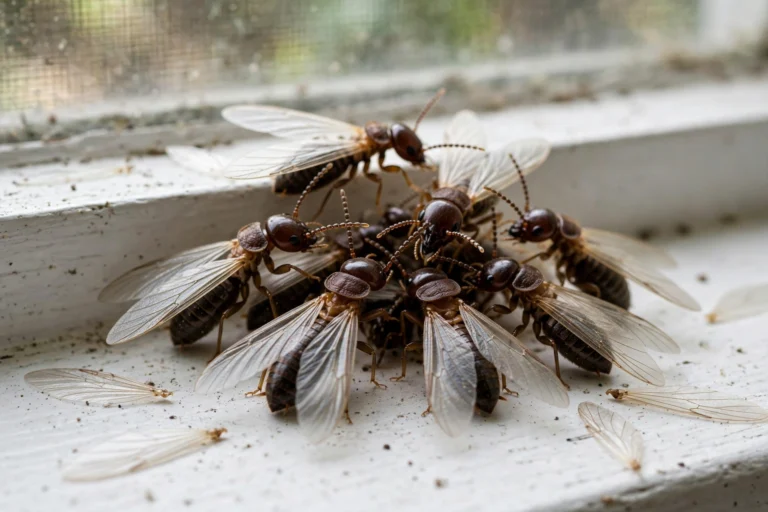
A swarm of winged insects near a window, vent, or woodpile can mean two very different things. One is a normal seasonal nuisance. The other is a sign that a termite colony is already living in your home. Here is how to tell them apart before you decide what to do next. If you think it might be termites, Termite Treatment Company in Sacramento can confirm it with an inspection.
Flying Ant Swarms Get Mistaken for Termites Across the Sacramento Valley
Homeowners call us every swarm season with the same question. They found winged bugs near a window, a foundation vent, or a stack of firewood. They cannot tell if it is termites or ants. This mix-up shows up across the whole Sacramento Valley, especially in Sacramento, Elk Grove, Roseville, and Folsom, where older and newer construction sit side by side.
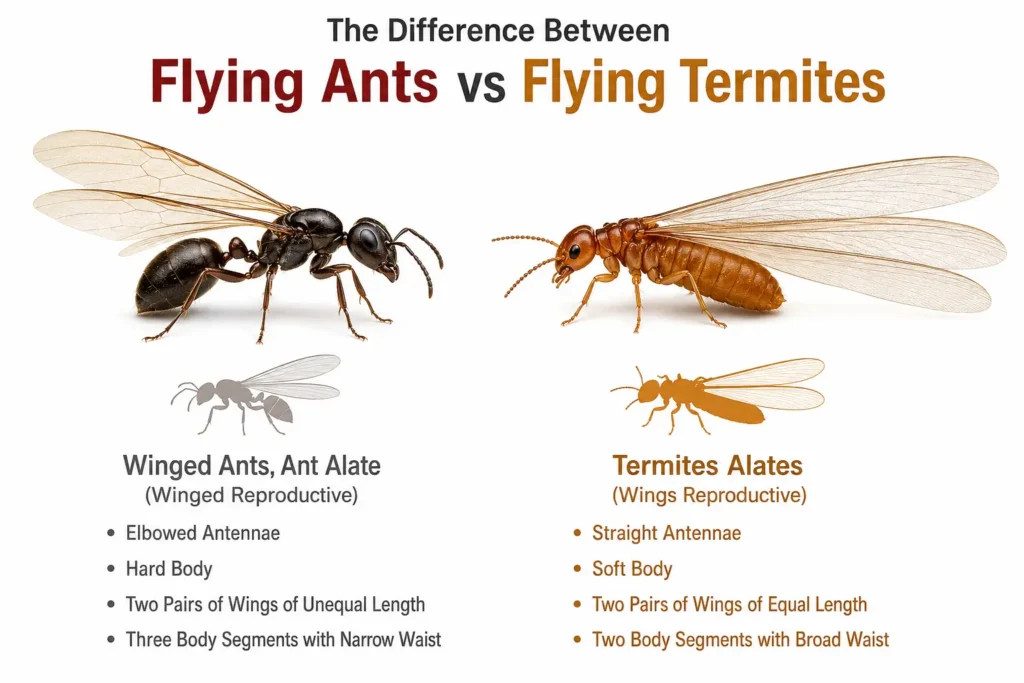
The two insects are easy to mix up at a glance, but three details separate them every time. Termites have a thick, straight waist with no pinch between the thorax and abdomen. Flying ants have a narrow, pinched waist. Termite antennae are straight, like a tiny strand of beads. Ant antennae are bent, almost like an elbow. Termite wings are equal in length and stretch well past the body. Ant wings come in two sizes, with the front pair longer than the back pair.
Getting this wrong is expensive either way. Ant swarms need no termite treatment at all. Termite swarms mean a colony is feeding somewhere close by, often inside a wall or foundation already. If you are still not sure which one you found, a termite inspection settles it in one visit.
We offer same-day and next-day termite inspections across the Sacramento Valley, and every inspection ends with a clear answer on what you are dealing with. If nothing is active yet, we can also set you up on an annual termite bond so the next swarm season does not catch you off guard.
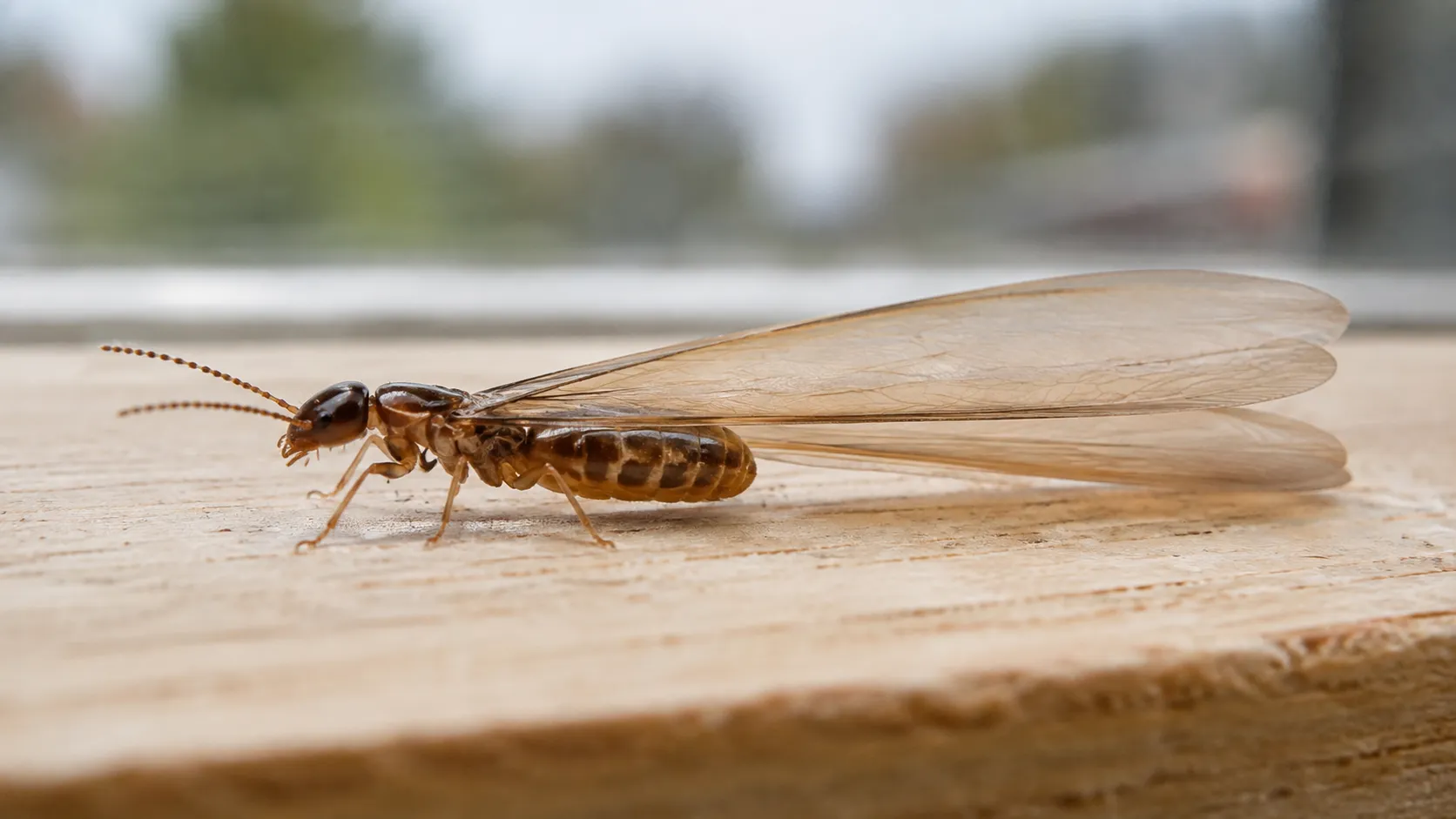
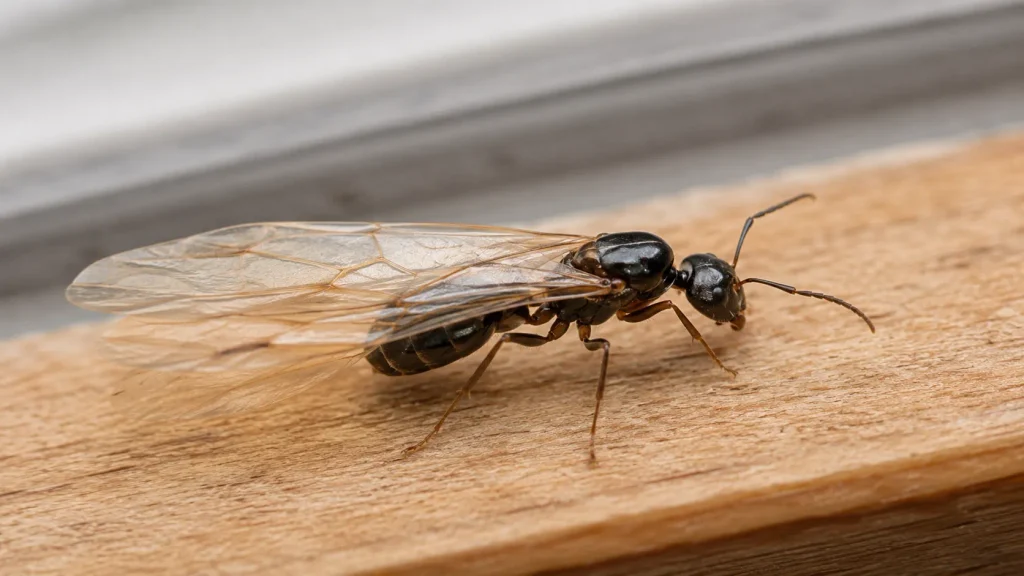
Drag the divider, or tap anywhere on the photo, to compare a flying ant and a termite swarmer.
How We Confirm Termite Activity Before You Spend a Dollar on Treatment
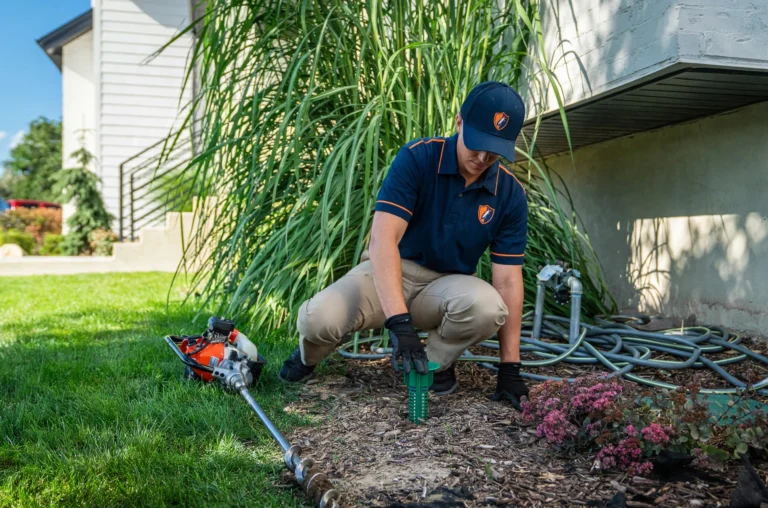
A photo is not enough to confirm termites on its own. Insects decompose fast, and shed wings scatter within minutes of a swarm landing. Our licensed inspectors check for the physical signs that outlast the swarm itself, including shed wings on windowsills, mud tubes on the foundation, and frass near baseboards or attic framing.
What we find decides the next step, not a guess. Mud tubes and foundation activity point to subterranean termites. Wood shavings and pellet-like droppings in an attic or wall point to drywood termites. Either way, you get a straight answer and a treatment plan built for the species we actually found, not a one-size-fits-all quote.